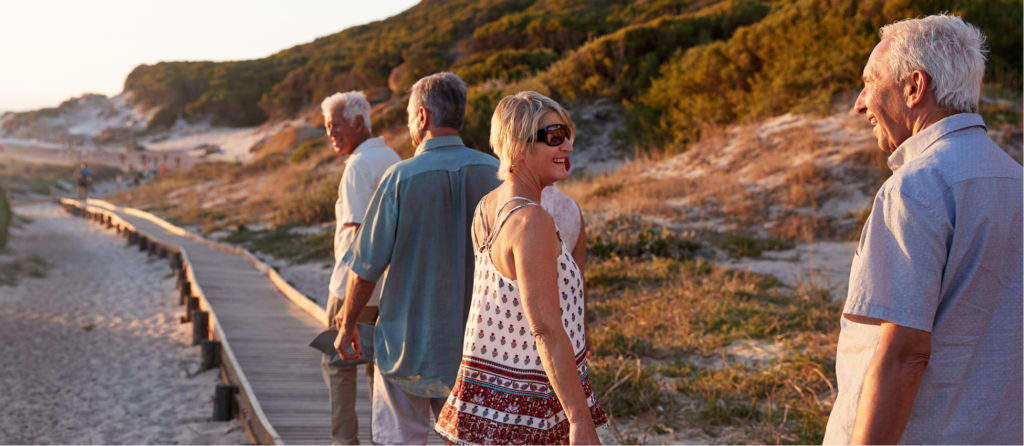
My wife didn’t pack her boned stays, busks or hooped petticoats. And I didn’t bother with a sword or a knobbed warted crab walking cane, any silk cravats or high-standing collars and flouncy shirts. I preferred a pair of roomy cords rather than a pair of excessively tight Regency fall-front breeches. My wife forsook garniture and went bonnet-free.
We left the pocket Collected Works of William Cowper at home, along with the Empire waist, percale shawl, long gloves, Newmarket tailed jacket, polished beaver pelt tall top hat, Spencer jacket and parasol. Instead, we affected kagoules, jeans and old—but still socially symbolic—Dunlop wellies. (Rubber rather than hessian.)
My wife wore her hair by Mandy rather than a Titus cut, and my hair was by Geoff rather than a la Brutus. Favouring a Fitbit over a fob watch, we couldn’t find any Claude glass online. We favoured binoculars over a telescope and a phone rather than a sketching pad.
But the Rev. Gilpin was still our personal guide, despite being dead for over two hundred years.
“If you have never navigated the Wye, you have never seen the world”.
In 1770, the Cumberland-born Rev. William Gilpin, while headmaster of Cheam School in Surrey, undertook a tour of Monmouthshire’s Wye Valley and wrote a book about it: Observations on the River Wye: and several parts of South Wales, published in 1782. It became the first tourist guide and holiday brochure, inviting you “to examine the face of the country by the rules of picturesque beauty.”

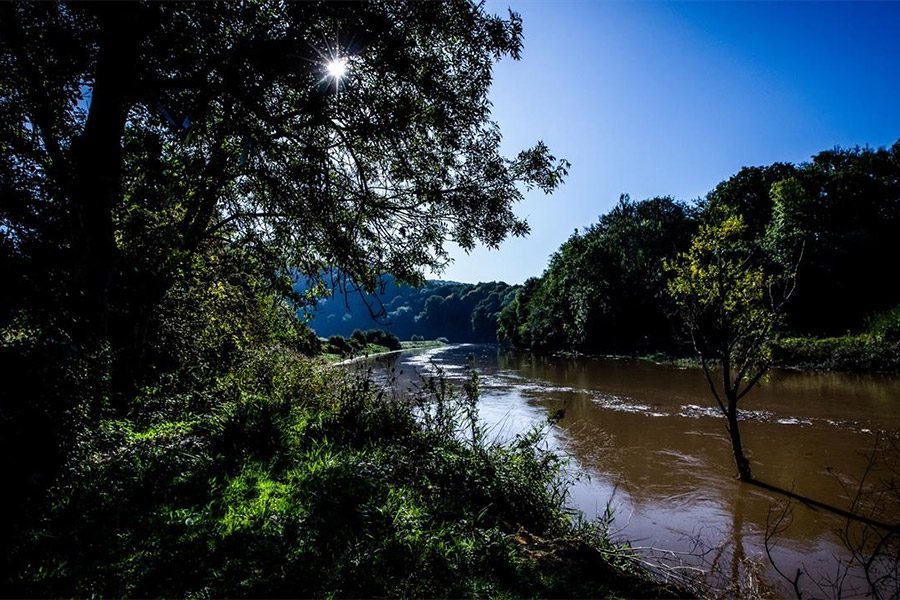
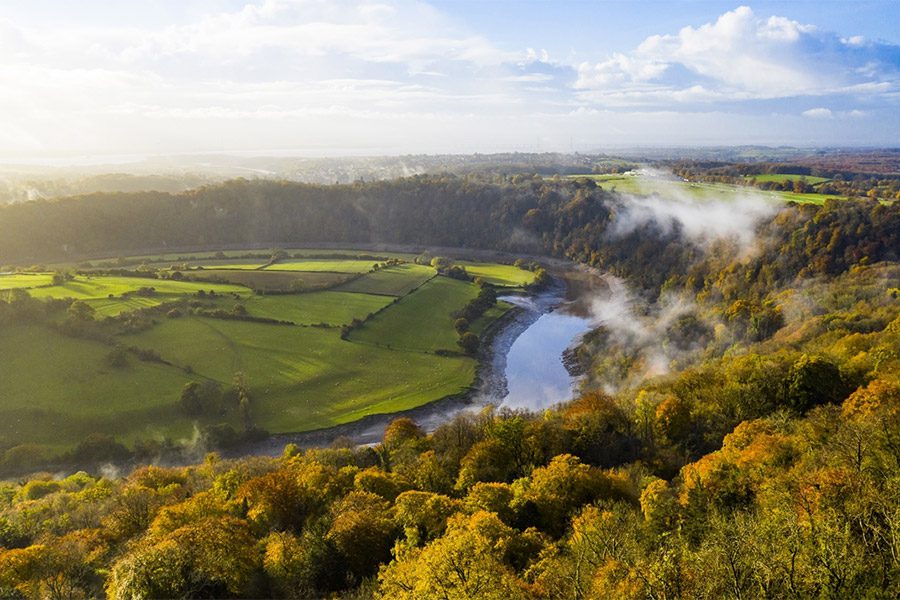
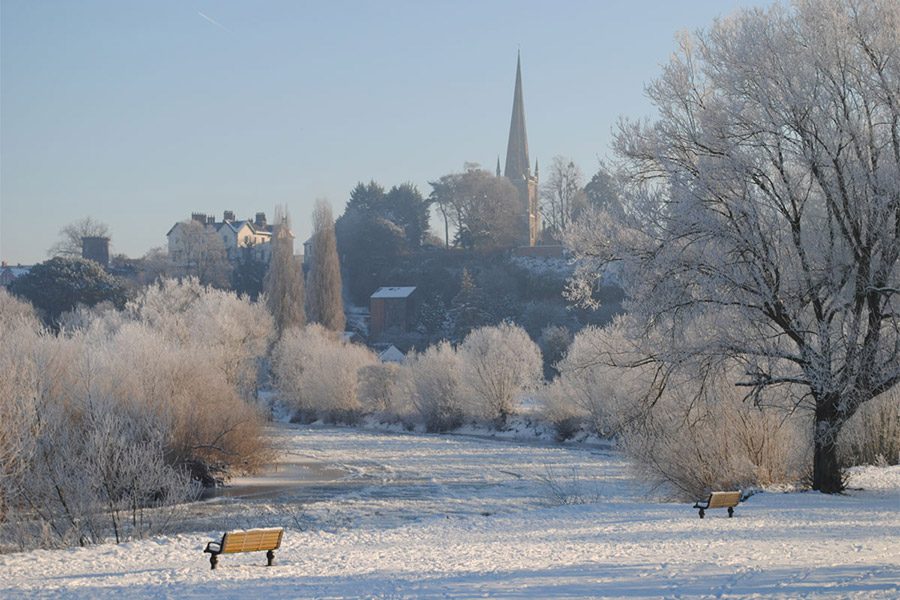
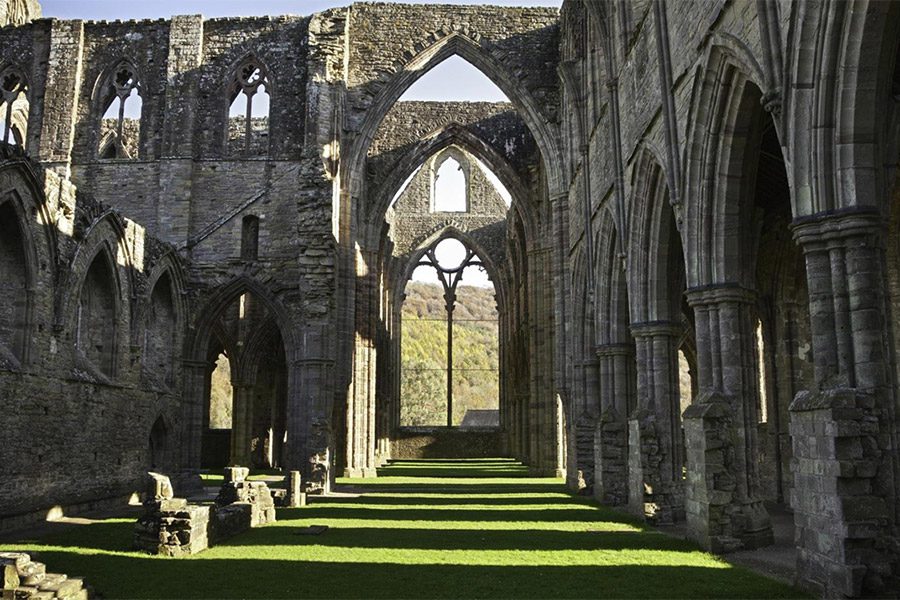
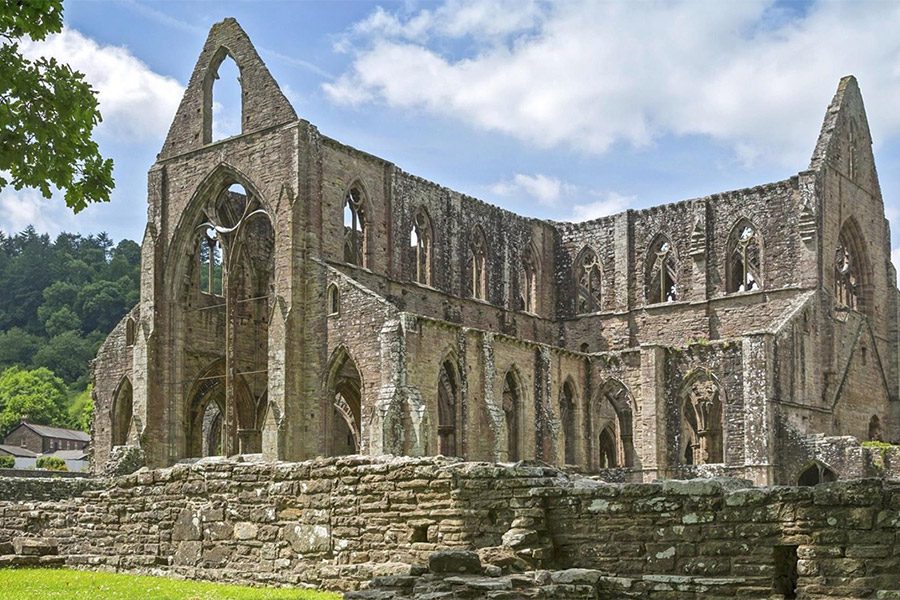
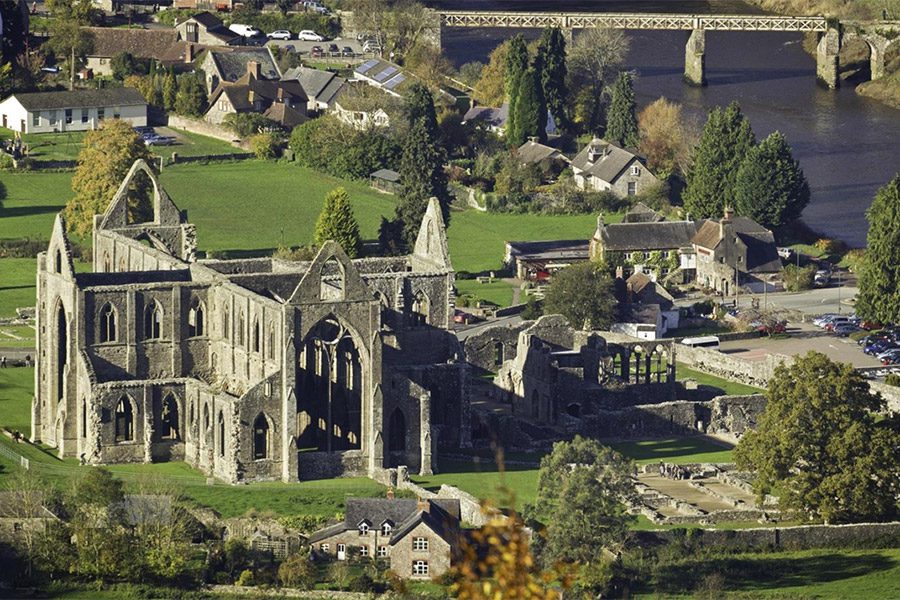
In the late eighteenth and early eighteenth centuries, doing the Wye Tour was one of the most luxurious and privileged things you could do. “Tourists” were issued with the first walking route maps printed by Heath’s of Monmouth. They walked 35 miles in two days from Ross on Wye to Chepstow to see the harvest moon rise through the 1131 Tintern Abbey’s east Window. Wordsworth was inspired by the views at Whitestone and Cleddon: “no poem of mine was composed under circumstances more pleasant for me to remember than this”.
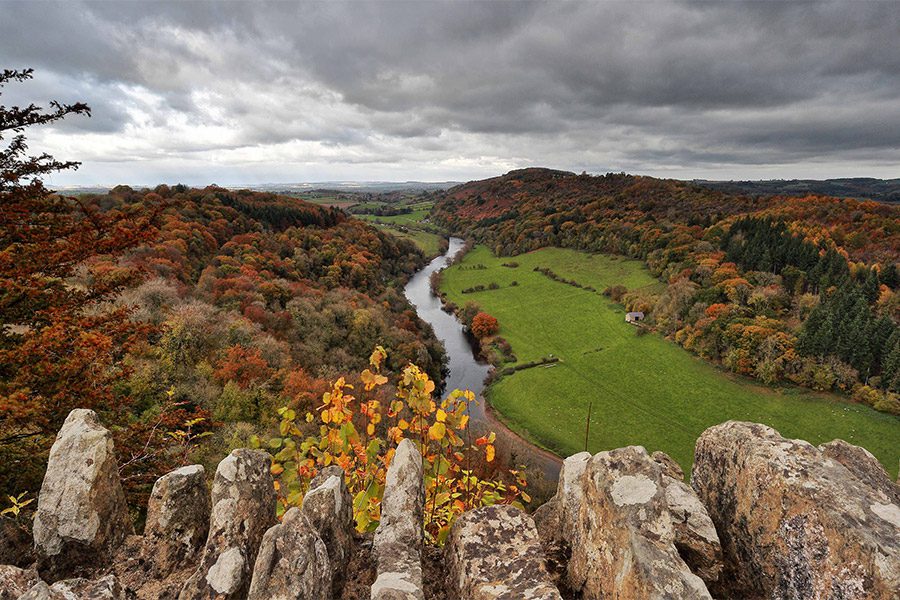
The first package holidays alighted at Martridge Meadow to visit the Piercefield Estate and landscaped park. Coleridge described the view as “the whole world imaged in its vast circumference”. William Gilpin declared that ‘Mr Valentine Morris’s improvements are generally thought as much worth a traveller’s notice, as anything on the banks of the Wye.” The river cliff wall takes in Lover’s Leap and the Giant’s Rock viewing platforms.
Gilpin advised to “bring some gunpowder and leave it with Mr Morris’s gardener in order to fire some small cannon on the Rock as you pass by. The reverberating echo of which you will find has a wonderful effect.” At one time, a stone giant stood above the cave entrance. He held a huge boulder over his head, as if about to hurl it on the walkers below. The giant and his boulder suffered from frost damage and slowly crumbled away.
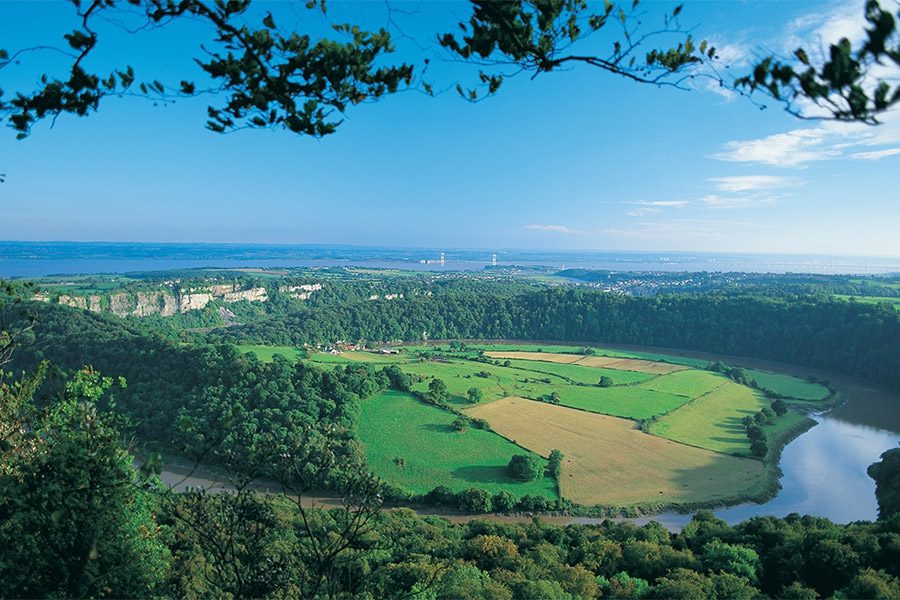
Commanding views over two Severn Bridges and the Cotswolds hills, the Eagle’s Nest is the highest point on the Monmouthshire bank of the river Wye. The viewpoint was built in 1828 for the Duke of Beaufort. Wintour’s Leapnear Tidenham, overlooking a horseshoe bend, is named after Sir John Wintour, who is alleged to have galloped over the top of these precipitous cliffs in 1642 to escape capture by the Parliamentarians during the Civil War.
There were excursions to Llanthony Abbey, the Kymin’s 1794 Summerhouse (built by the Monmouth Picnicing Club), and 1801 Naval temple visited by Nelson. The first tourists and river cruisers picnicked on the Coldwell Rocks and took in Wales’s first stone-built castle at Chepstow, the romantic ruins of Wilton castle, and the iron foundries which “brought animation to the romantic scenes”
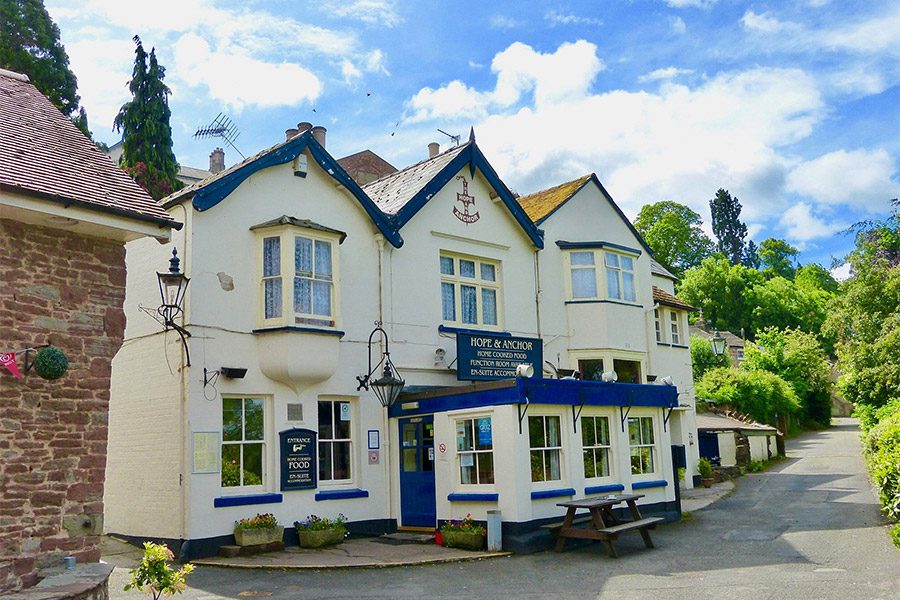
Dr John Egerton, Rector of Ross-on-Wye and son of the Bishop of Hereford, had already started giving river cruises in his specially-built boat. That boat turned into a fleet of eight and then thirty local private pleasure boat businesses. Ross’s Hope and Anchor pub and the sixteenth century Saracen’s Head at Symonds Yat became the world’s first river cruise terminals.
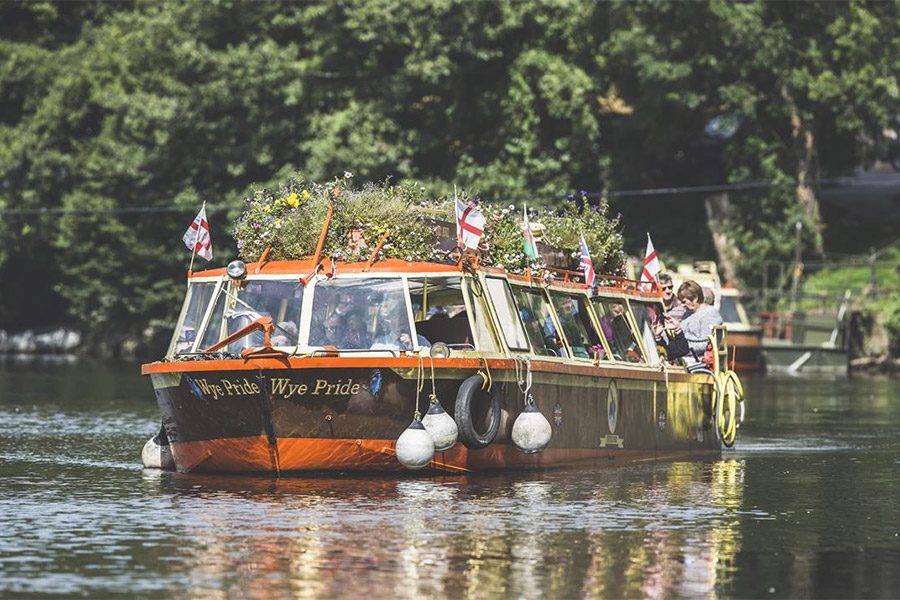
You can still do an hour’s river cruises down the river on the Kingfisher or Wye Pride. £10 isn’t bad for the oldest historic and most picturesque river cruise in the world! Today, bow haulers are not required and although there are no coracles or flat-bottomed “trows” to be seen on the river anymore, “the most perfect river views” remain.
The area attracted “topographical artists” like Turner. Some argue that Gilpin (1724-1804), who also produced a guide book of the Lake District, is the father of Instagram. He defined the picturesque as “that kind of reality which is agreeable in a picture.” He liked pictures to be “charmingly grouped.”
The Claude Glass was a convex mirror which the reflected landscape, so that detail was lost except in the foreground, helping painters to simplify what they saw. Many tourists used the glasses to manipulate the scene: a sunrise glass when used at midday gave a dawn view. As Gilpin wrote, “the Picturesque practice always involved some ‘improvement’ of the landscape.”
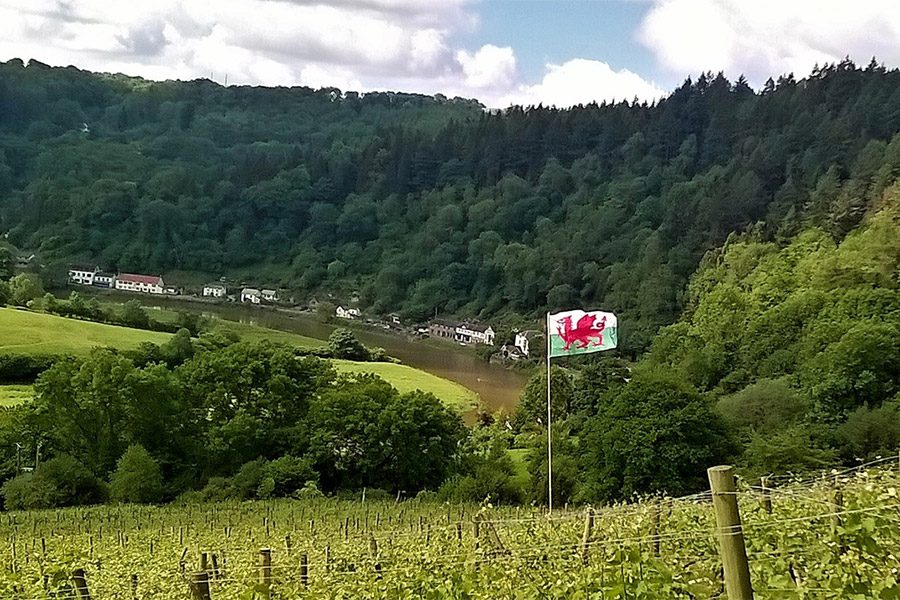
The Wye Valley has been a designated a AONB (Area of Outstanding Beauty) since 1971. Side attractions include the 1922 High Glanau Arts & Crafts cottage, Parma Vineyard and Dixton Embankment Nature Reserve. The carboniferous limestone cliffs are a magnet for birds of prey, including Peregrine Falcons, which nest on Coldwell Rocks. There is a viewing point at Symonds Yat Rock where you can watch them between April and August. Other birds of prey such as the Goshawk, Sparrowhawk, and Common Buzzard can also be seen – sometimes even Ospreys. And the rare pearl-bordered fritallary can be seen on Coppett Hill.
To be a true British package holidaymaker, you must walk the Prospect promenade at Ross-on-Wye, In the old days, tourists stayed at Ross’s Royal Hotel (which had special steps built down to the river Wye “for the elegantly dressed”), The King’s Head in Monmouth’s Agincourt Square and The George, Chepstow, which William Thackeray described as “one of the cleanest, friendliest, fresh salmon-giving inns”. Sadly, not so now for some.
The riverfront Hope and Anchor at Ross has worn better. Breakfasts haven’t changed much, and while vegetables and meats haven’t changed much either, the menus have. Early visitors would have eaten Hertfordshire steak, venison, and fish pie – but not Tandoori-spiced chicken burgers, vegan sweet potato miso fole pies and sumac-spiced cauliflower. Rooming houses are now called “gastropubs”.
You can stay at one of the best – Roger and Marta Brook’s acclaimed former seventeenth century farmouse B&B and fabulous restaurant Parva Farmhouse, fifty yards from the river and a short walk into Tintern. You can sample contemporary Welsh classics such as Wye valley asparagus, mushroom scotch quails egg, paprika sauce, mutton sausage, lentils, Middle White pork loin, and gratin potatoes. Plus not-so-Welsh desserts as Alphonso mango kulfi, coconut rice pudding and vanilla crème brûlée and ariguette strawberries. Try the local White Castle wines. Marta was restaurant manager and Roger chef at the feted Walnut Tree restaurant in Abergavenny, where he worked under Franco Taruschino, Stephen Terry and Shaun Hill. The Regency fobs and Victorian ramblers don’t know what they missed with the house Sevilleo range marmalade pudding and custard!
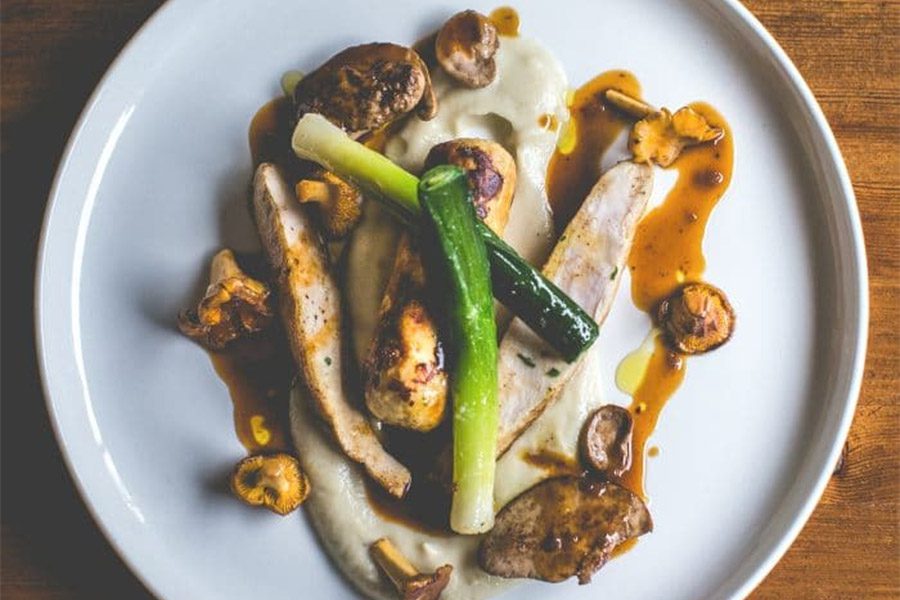
It is important to fortify and reward yourself before or after you follow in the Reverend’s footsteps, whether by foot, boat, canoe, kayak or SUP.
But don’t take all his advice. Infamously, he once suggested that “a mallet judiciously used” might render the insufficiently ruinous gable of Tintern Abbey more picturesque.”
Next steps
For more information, visit www.visitrossonwye.com and www.visitherefordshire.co.uk
To plan your next walking holiday in the Wye Valley and beyond, call Silver Travel Advisor on 0800 412 5678.