For so many years – decades, really – the Brits have headed to Tuscany. And who can blame us? There are beautiful cities like Florence and Siena, Lucca and Pisa. The food and wine are both sensational while the countryside is lovely. It would be fair to say, though, that it’s time to spread our wings as the Tuscan cities, especially Florence which is busy even out of season, become ever more crowded.
Step forward Emilia-Romagna and its capital Bologna. They give Tuscany a good run for its money on all counts. In fact, when it comes to cuisine, this region is known as “the heart of Italian food” which is not surprising when you consider that Parma ham and Parmesan cheese, tortellini and, of course, the sauce we all know as bolognese all originated here. You won’t, in fact, find a better dish of pasta anywhere in Italy.
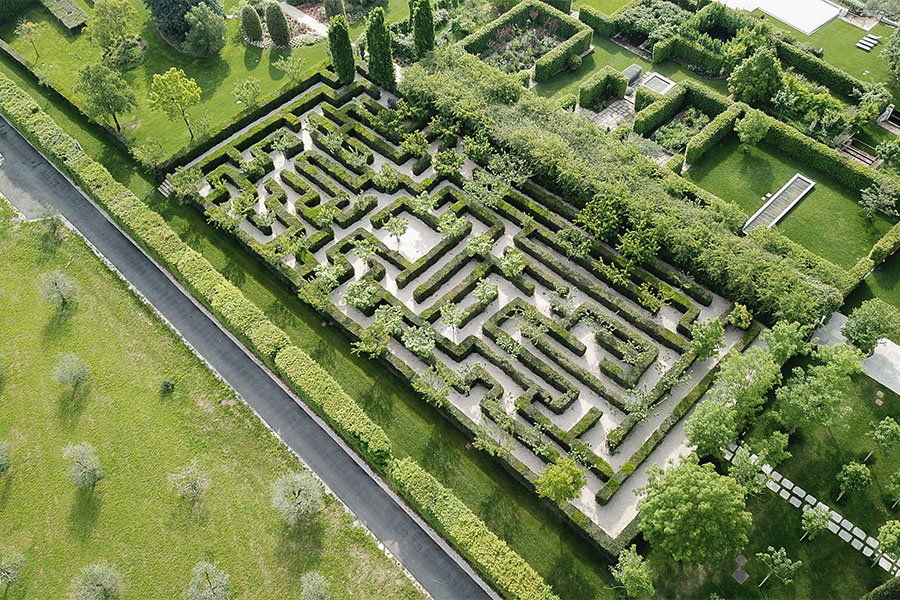
The wines are so good, too, from sparkling red Lambrusco to dry white Albana and robust red Sangiovese, it would simply be rude not to try them. I went for a wine tasting at Palazzo di Varignana’s winery which sits overlooking its vines, laid out to resemble a fan in the valley below. It’s a delightful spot with excellent wines served with little snacks under parasols while you enjoy the view. It’s not just about the wine, though. You can also have an olive oil tasting (the Palazzo has almost half a million olive trees) – and this is an art in itself. Strippaggio is a technique for sucking air through the teeth onto a mouthful of oil to maximise its flavour, often accompanied by a loud slurp…
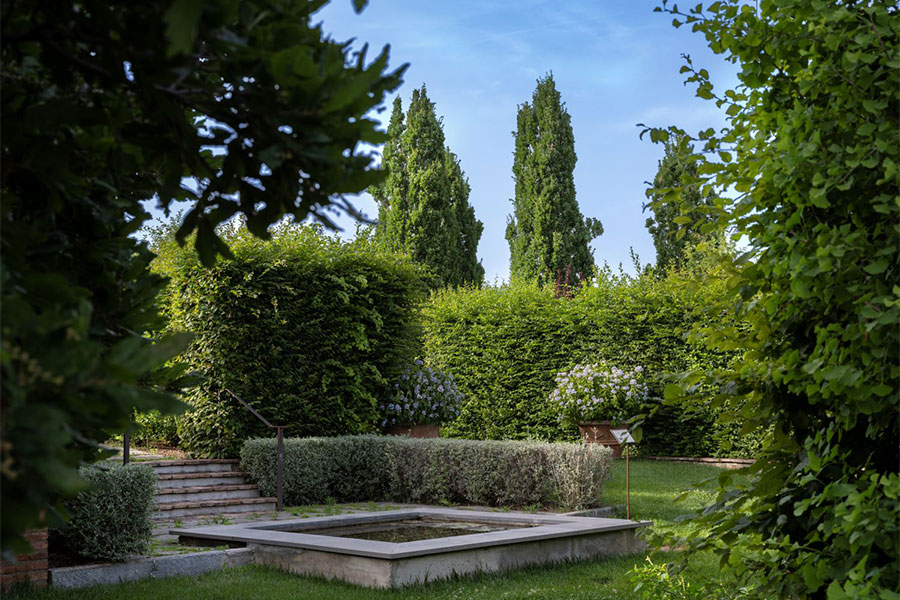
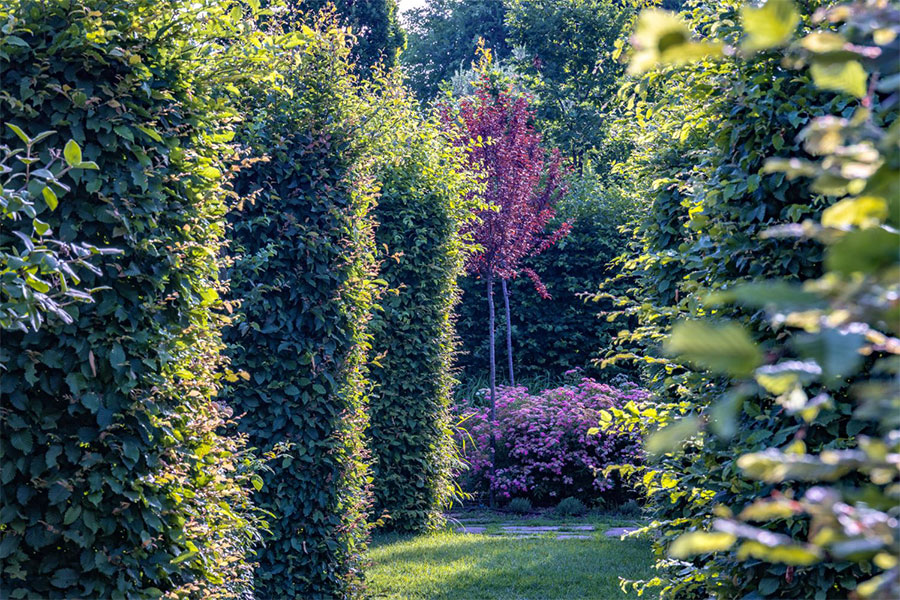
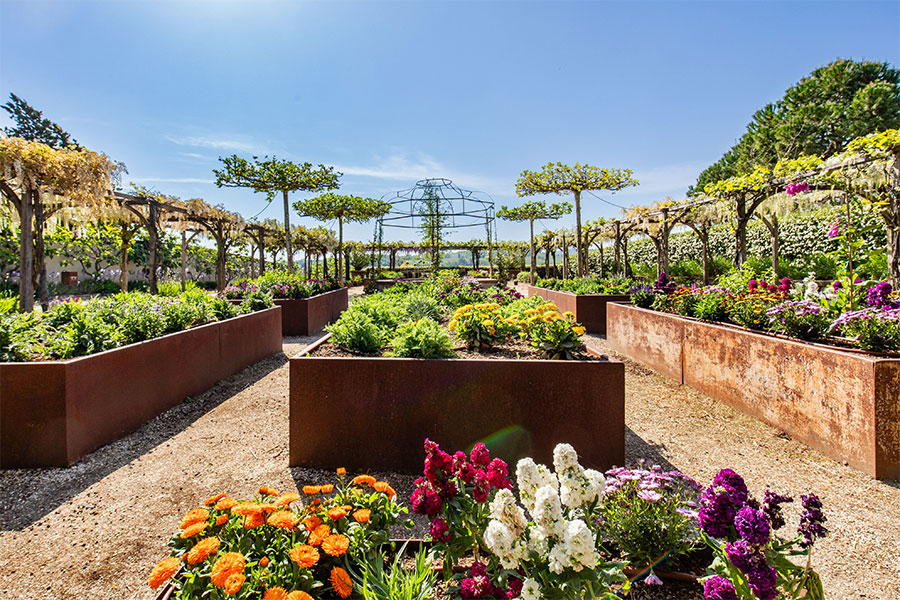
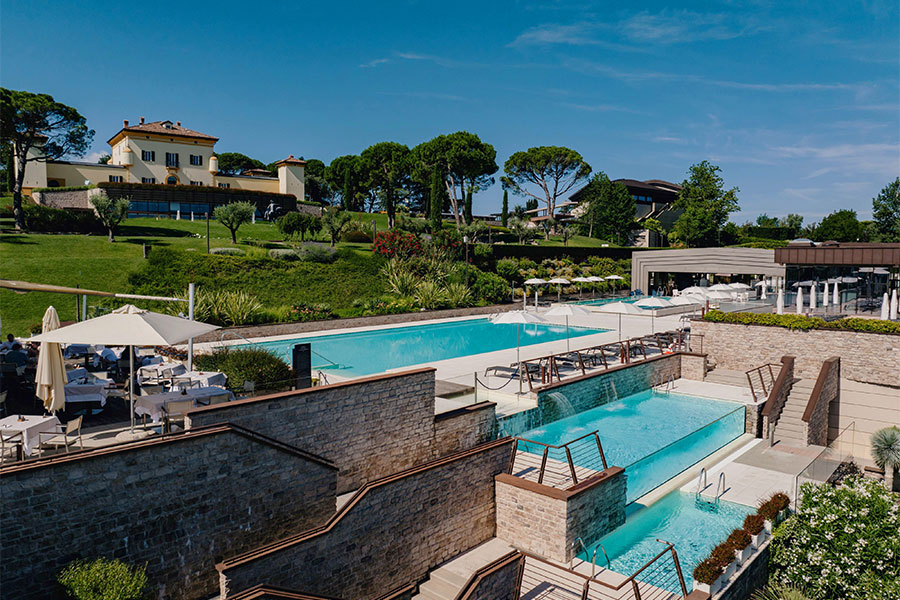
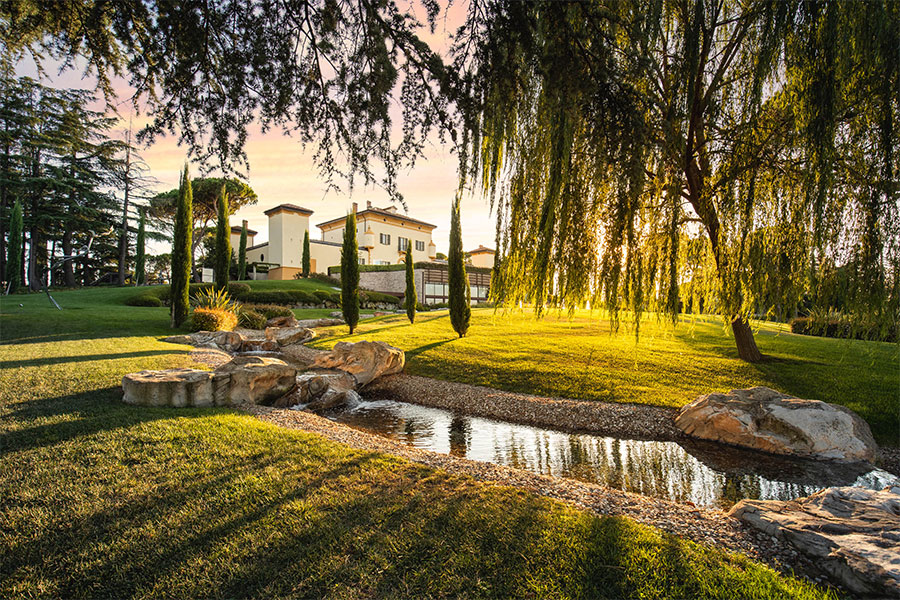
The Palazzo’s rural setting is delightful with extensive ornamental gardens and a surrounding countryside where the fields are splashed with scarlet poppies and dark cypress trees stand as exclamation marks punctuating the hillsides. From here, you are less than 30 minutes away from Bologna and the hotel will arrange personal tours including to the privately-owned Palazzo Strazzaroli, from whose rooftop terraces you find yourself with a unique proximity to this city of towers – in the 13th century there were 100, now there are just 23. The Garisenda Tower leans more precariously than Pisa’s and swifts soar through the air with piercing cries.
Back on ground level, you can take a stroll through 62km of historic arcades – Bologna is known as the City of Porticoes – around the magnificent Piazza Maggiore and the nearby Piazza del Nettuno dominated by Giambologna’s sculpture of Neptune. You can visit the Palazzo dell’Archiginnasio, the oldest part of Bologna’s university which is itself the oldest continuously operating university in the world, founded in 1088. The Palazzo dates from some 500 years later but is fascinating for its 6000 coats of arms that decorate its walls – testament to the families of all its students.
While Bologna is the regional capital, Emilia-Romagna has many other fascinating smaller towns and cities. My all-time favourite is Ravenna with its truly ancient churches (6th century) that are decorated with dazzling Byzantine tiles – it’s known as the City of Mosaics – and you can visit Dante’s tomb there, too. There are obvious foodie and other delights in Modena (home of balsamic vinegar), Parma (ham, cheese and fabulous Romanesque architecture), Reggio Emilia (birthplace of the Italian flag) and Ferrara with its brick-paved streets. Even when you’re at the seaside, history and architecture abound. Rimini sits on the lovely Adriatic coast but has extensive Roman ruins including the Tiberius Bridge.
Back at the Palazzo di Varignana, you can savour the tranquility after the sight-seeing. You don’t stay in the palazzo itself (now used for events and it’s still the owner’s own hideaway) but in spacious rooms surrounded with gardens or in one of the two nearby farmhouses that are part of the property. There are, too, villas for rent from Varignana with their own pools, dotted around the nearby countryside for the ultimate in peace and quiet.
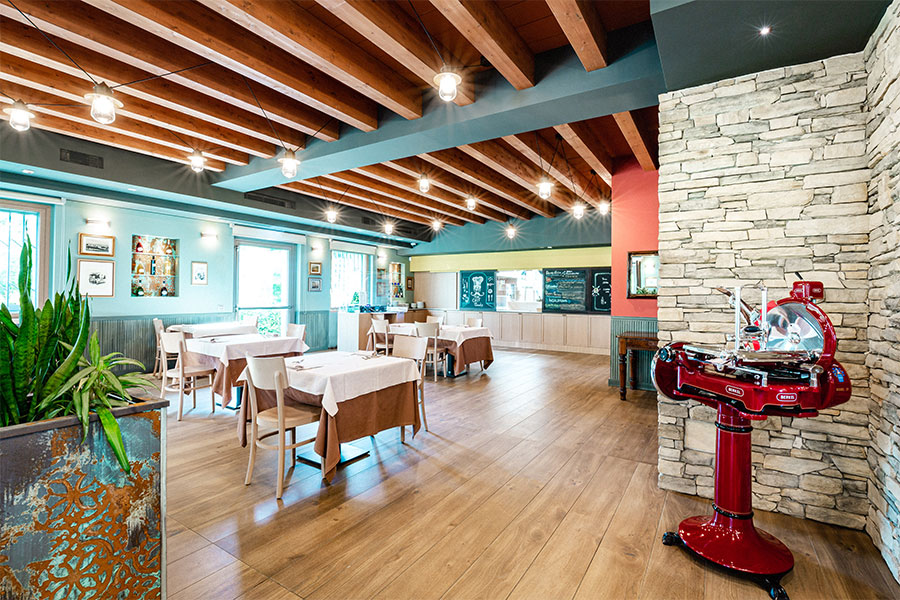
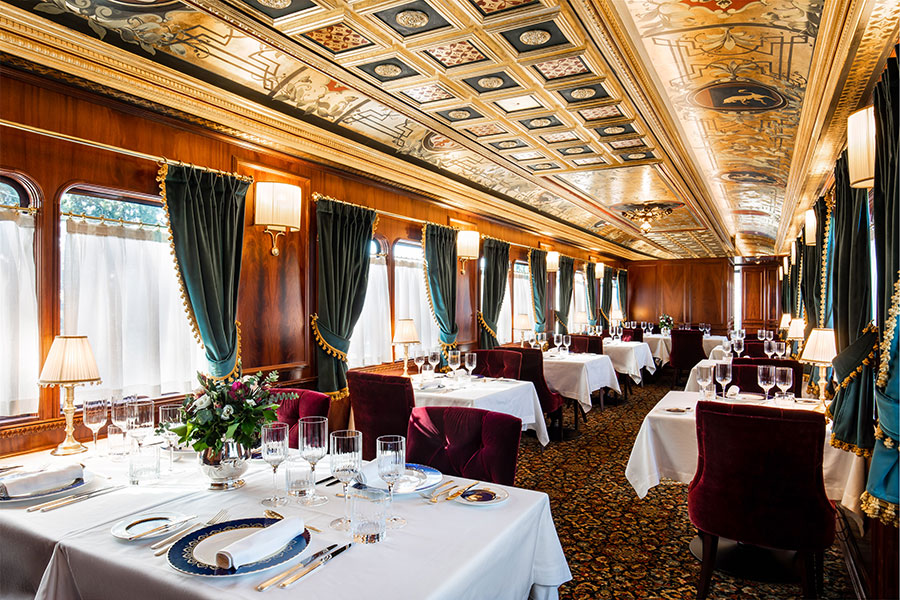
The main resort hotel has numerous pools and a lovely spa with some very innovative treatments (face yoga anyone? – believe me, it works!). There are plenty of dining options from the airy Aurevo Restaurant whose huge windows overlook the pools to the cosy Trattoria le Marzoline that focuses on seasonal and local ingredients. The Ginkgo Longevity Restaurant has a wellness-based menu and you can discuss with Dr Annamaria Acquaviva a health-based diet for your stay. The most unique restaurant is the Treno Reale (Royal Train), a train that dates back 100 years (much restored!) and was used by the Italian royal family (the House of Savoy). This is extremely fine dining with a clever twist – the menu follows a journey through Italy, featuring dishes from each region on its way from Varignana cuttlefish to Roman artichoke and a meltingly tender Alpine beef from Milan – with wine pairings along the way.
You’d expect nothing less than the finest of foods and ingredients – this is Emilia-Romagna, after all.
Fact Box:
- www.palazzodivarignana.com
- Private tours around Emilia Romagna from Ever concierge at Palazzo di Varignana: https://ever-dc.com/
Find out more
To book your next Italian escape, or find out more from our Silver Travel Advisors, call 0800 412 5678.