

The interestingly named ‘Onion Route’ runs along the western shore of Lake Peipus in Estonia. The name comes from a long-standing tradition of onion cultivation in the area, by the local community of Old Believers, a religious minority originally from Russia who relocated in the 17th century.
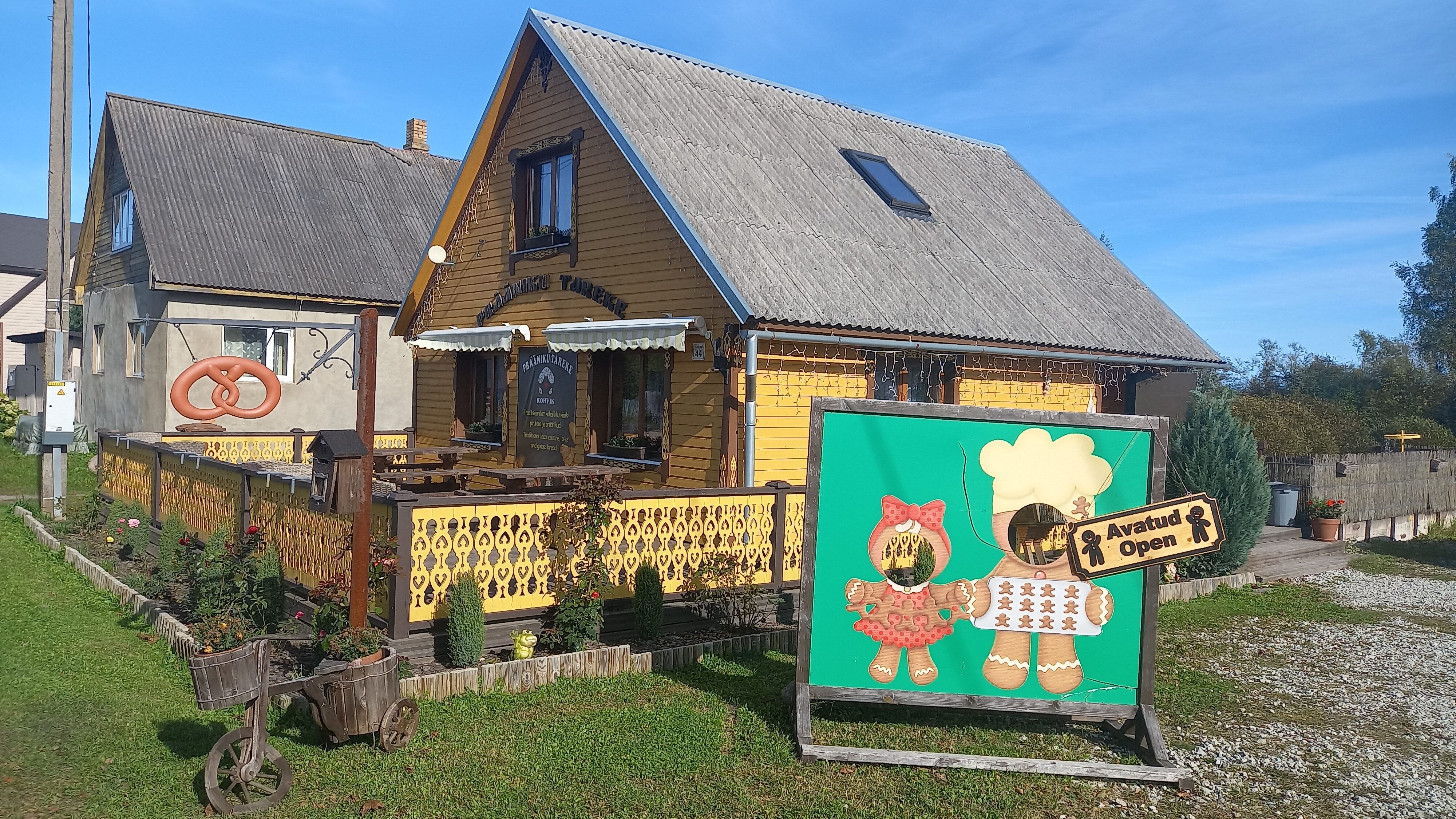
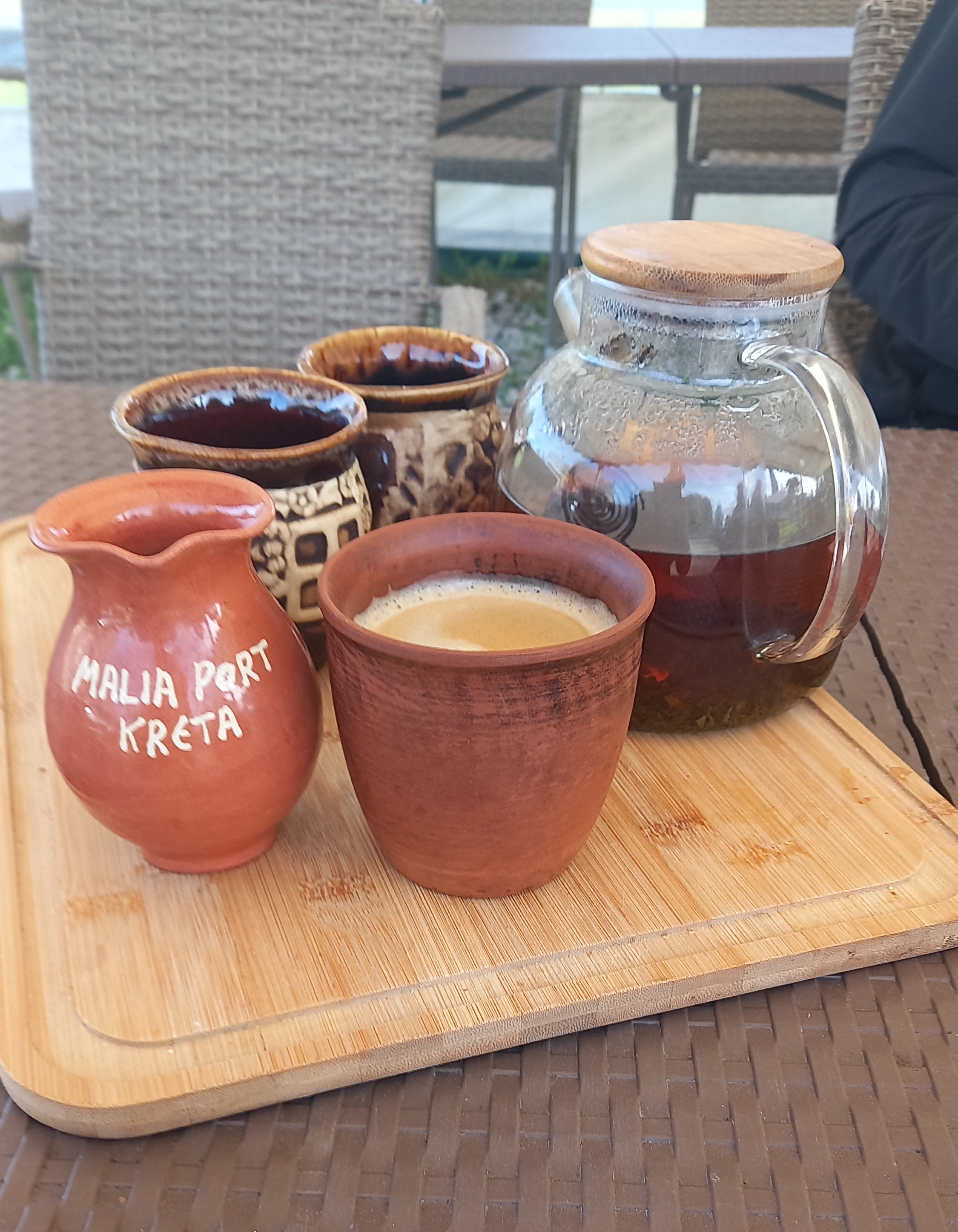
We began with lunch in the most southerly of three key onion route villages, Varnja. Prääniku Tareke offered homemade-style Eastern European/Russian-influenced cuisine from their home kitchen. The selection of warm pies and pastries stuffed with onion, meat, fish or cheese filled the room with enticing smells. Whilst I would have loved to try a Khachapuri, a Georgian cheesey bread, fresh from the oven, it was huge, and so we settled on delicious onion pies with a bread-like ‘pastry’. For dessert there was gingerbread and cakes, but we chose a rowan berry pie made with flaky pastry. We also tried a pot of Ivan Tea, also known as Fireweed Tea, a traditional, caffeine-free herbal infusion made from the leaves of the Rosebay Willowherb which was popular in Russia and Eastern Europe for centuries. As the September weather was unseasonably sunny, we sat under a gazebo in the garden and watched a steady stream of cars arrive and pick up food to go. Having initially seen the volume of pies in the kitchen, we thought our hostess had over catered, but she clearly knew her business and we later learned that during the low season, it is the only place open at the weekend. We could also see that most customers had their car boots full of onions as it is a popular day trip from Tartu, only 40km away.
We drove northwards, through Kasepää and Kolkja, which along with Varnja, merge into one. A tall wooden tower provided views of Lake Peipus, said to be the fourth largest in Europe, depending on whether Russia is regarded as European or Asian. We could also see that each household had cut a narrow waterway leading from the reed-filled, marshy shoreline to the firmer ground of their property. This allowed the fishermen to park their boat literally behind their house, repair and store nets near their boats and avoid long walks carrying gear. Most of the fish caught is sea bream, but there is also pike and perch.
The houses were built lengthwise along the village street, with the narrow end facing the lake. This reflected the traditional plot layout with each family having a long, thin strip of land extending from the street to the lake. Many were made from wood, painted in strong colours, yellow green and blue, and decorated with carved wooden details around windows and on the porch. Many had their own family sauna nearby with smoke from the chimney depicting those in use.
Some houses had karakat parked outside. These were homemade, large-wheel all-terrain vehicles traditionally built by villagers and designed for driving over swampy ground or through deep snow.
Although it was coming towards the end of the season, several roadside stalls sold strings of various types of onions and garlics and appeared to be doing a good trade.
Unfortunately, both the Russian Old Believers’ Museum, telling the story of the religious minority, and Samovar House, a small museum dedicated to traditional Russian/Old Believer tea urns, were closed.
There are several festivals during the year including the Onion Route Buffet Day, Kallaste Fish and Onion Fair, and Onion Route Winter Festival.