

Having visited southern Spain several times, we headed north for a change, hoping the Basque coast would offer a more comfortable summer escape and we were not disappointed. While much of Spain was sweltering, San Sebastián greeted us with warm sunshine, refreshing sea breezes and perfect temperatures for the leisurely exploring of what is said to be, one of Europe’s greatest food cities.
Getting There
Although there are no direct flights from the UK to San Sebastián, reaching the city was straightforward. We flew into Bilbao and caught the coach from directly outside the terminal. The journey takes less than 90 minutes, services run at least every 30 minutes during the summer, and tickets cost just €13.70 from machines inside the airport. After arriving at San Sebastián’s coach station, it was a short taxi ride to our accommodation.
Staying in the Heart of the Action
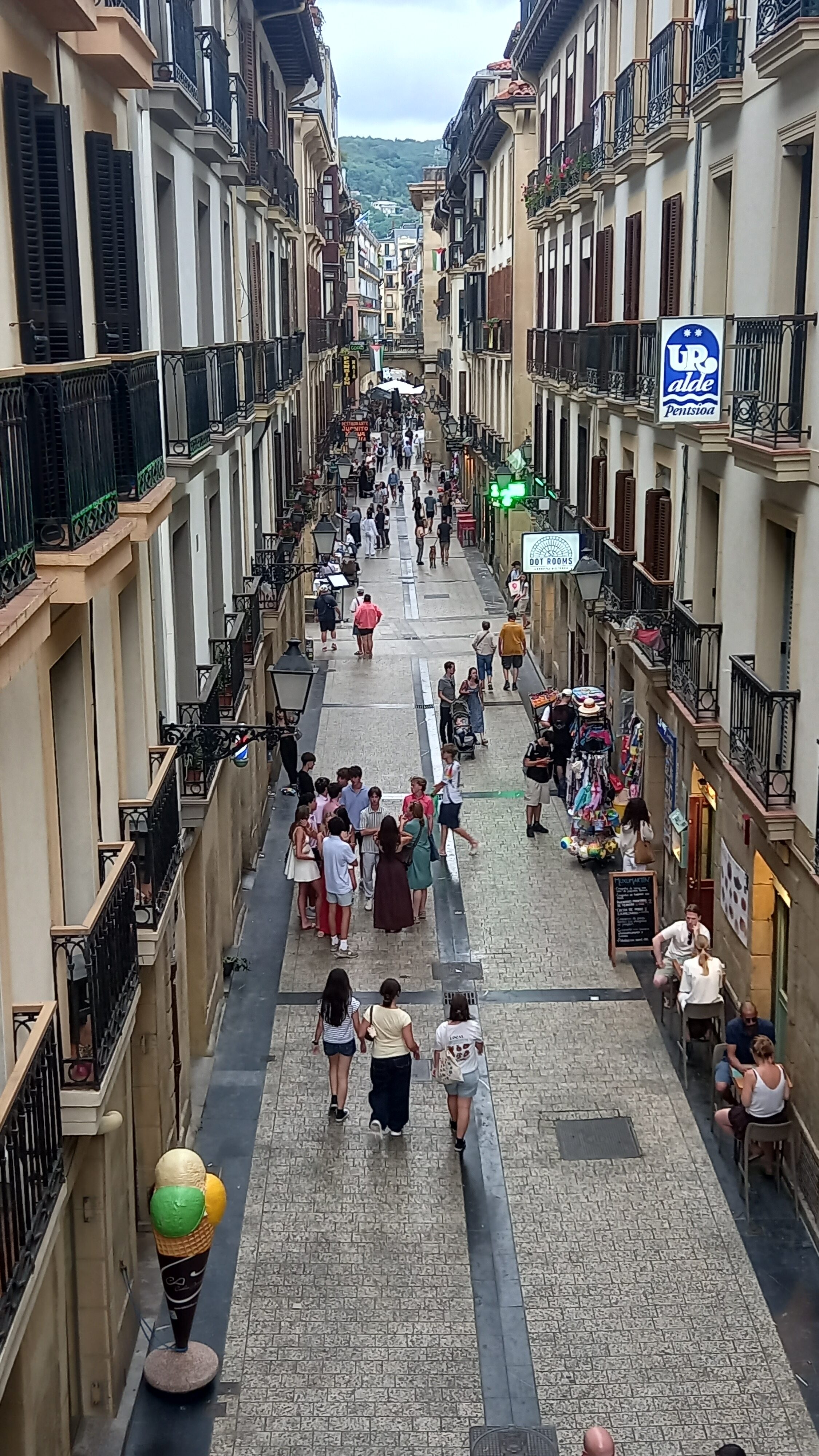
For a city renowned for its food, staying in the right location was key and we chose an Airbnb in the heart of the atmospheric Old Town, Parte Vieja. This allowed us to step straight into its maze of narrow streets lined with pintxos bars and it proved to be an excellent base, with virtually everything within walking distance.
A City Made for Strolling
Our first stop was the excellent Tourist Information Office housed in the Town Hall. The helpful staff provided a detailed map and highlighted the sights to see. We also bought a handy booklet for €1 which had several self-guided walking routes, as well as restaurant recommendations.
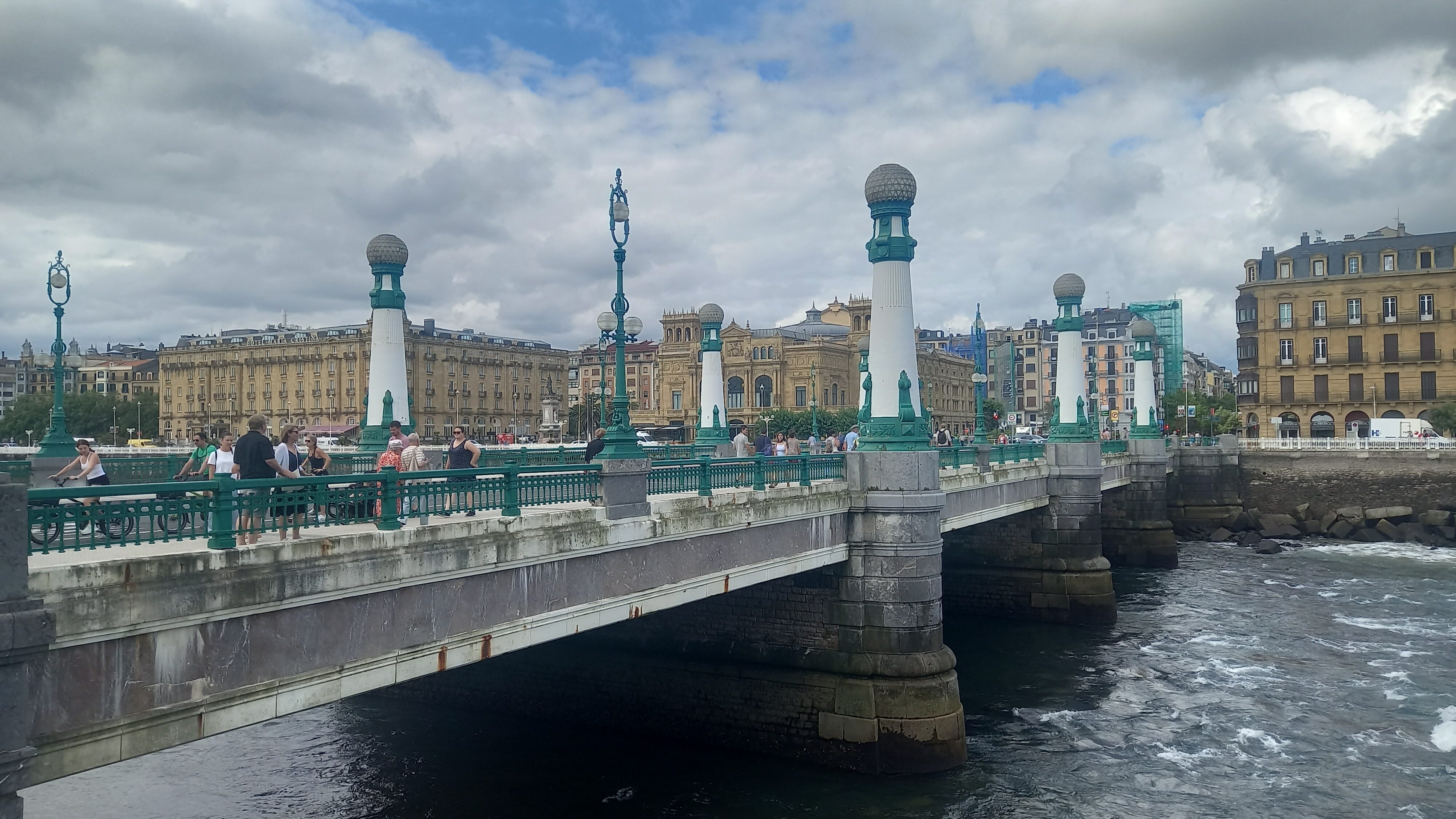
San Sebastián isn’t dominated by blockbuster attractions. There are museums if that’s your interest, but we enjoyed just wandering along leafy promenades, through bustling plazas, and the inviting beach front, whilst admiring elegant Belle Époque buildings. The largely flat streets made it an easy city to discover on foot.
For panoramic views, we took the historic funicular up Monte Igueldo. From the summit, spectacular views stretch across the famous crescent of La Concha Bay, with the Old Town nestled between the sea and surrounding green hills.
Two Very Different Beaches
San Sebastián boasts two contrasting beaches.
La Concha is one of Europe’s most beautiful urban beaches – a sweeping arc of golden sand framed by elegant architecture and calm waters. To its left was Zurriola Beach, where the Atlantic waves attracted surfers and a younger, more energetic crowd.
We had imagined spending a day or two relaxing beside the sea but discovered that only rather uncomfortable looking chairs were available to hire rather than sun loungers. For a couple of silver travellers, lying on a towel wasn’t quite the luxurious beach day we’d envisaged. We were also surprised by the relatively limited beach facilities, with fewer cafés, bars and loos than we’d seen in resorts on the Costa del Sol.
Pintxos: The City’s Greatest Attraction
If San Sebastián has a star attraction, it isn’t a monument, it’s dinner.
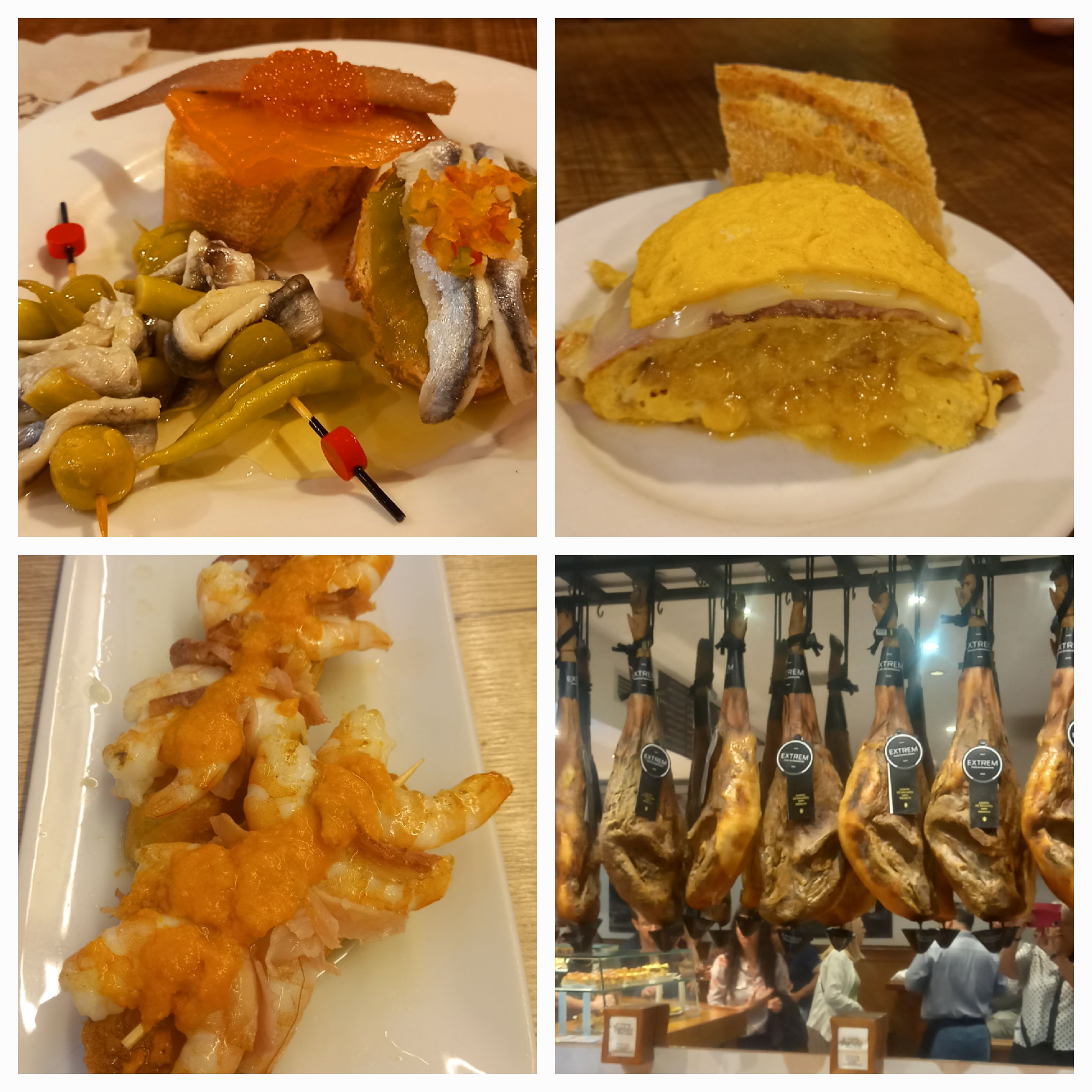
The Old Town was packed with tiny bars, many with only a handful of stools and standing tables, with a counter displaying colourful rows of pintxos (pronounced pin-chos). These beautifully presented bite-sized creations ranged from simple local classics to miniature works of culinary art.
Rather than settling down for a single meal, we enjoyed grazing our way through the city, sampling one or two pintxos before moving on to the next bar. Hot items were warmed before serving, while the atmosphere and size, encouraged conversation with locals and fellow visitors.
One of our favourite items was the iconic Gilda, San Sebastián’s most famous pintxos. Named after the Rita Hayworth film because it was considered ‘green, salty and a little spicy’, it combined green olives, anchovies and pickled guindilla pepper on a cocktail stick. Simple ingredients, perfectly balanced and not too filling.
At around €3 each, pintxos were an affordable way to sample a variety of dishes.
The Perfect Pairing
Pintxos are traditionally accompanied by Txakoli, the Basque Country’s distinctive white wine. Lightly sparkling, bone dry and refreshingly acidic, it suited our tastebuds admirably.
The wine was traditionally poured from high above the glass using a specially designed pouring device, called an Escanciador, which was designed to aerate the wine and release the aromas. Whether this genuinely improved the flavour or simply enhanced the theatre, it certainly added to the experience and at €1 each, the Escanciador was a good gift to take home to friends.
We also enjoyed cloudy Basque cider and the occasional jug of sangria. Even coffee came as a pleasant surprise: while two coffees in London can easily cost £10, in San Sebastián we paid less than half that.
Go with the Flow
Before arriving, we’d carefully compiled a list of recommended pintxos bars. As many had queues stretching out of the door, we abandoned the list altogether and simply chose places where we could grab a seat.
It turned out to be one of the best decisions of the trip. Because we were only committing to a glass of wine and a couple of pintxos, it was easy to move from place to place until we discovered our own favourites with us visiting Casa Bartolo Etxea several times. Lunchtimes and mid-afternoons proved noticeably quieter than the busy evening rush.
The one casualty of our relaxed approach was the famous Basque cheesecake from La Viña. Every time we passed, the queue convinced us to keep walking, but at least we now have a reason to return.
A Perfect Summer Climate
During our stay, daytime temperatures hovered around a very comfortable 26°C. We experienced one day of light drizzle, hardly surprising on Spain’s Atlantic coast, but overall, the weather was ideal. Warm enough for shorts and t-shirts, without the exhausting heat of a southern Spanish summer.
Whilst San Sebastián may lack the headline-grabbing landmarks of Barcelona or Madrid and the packed beaches of southern Spain, it rewarded us with six days of relaxation, and with a pintxos bar around every corner, it was hard to beat.