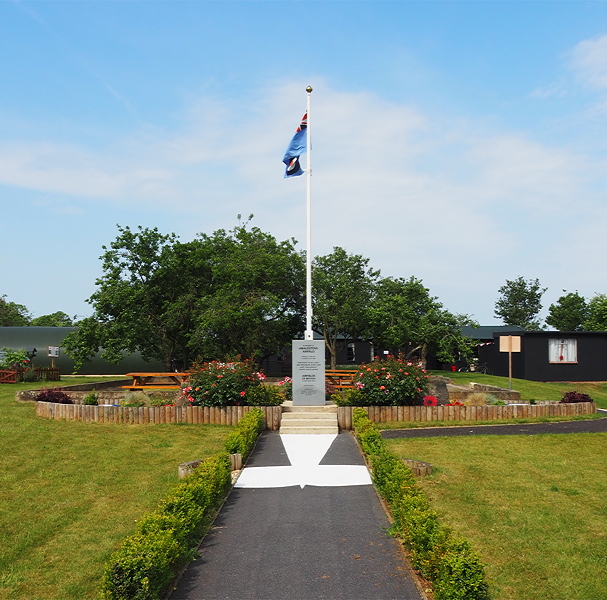
Lincolnshire is referred to as Bomber Country as its vast, flat landscape became home to over 46 military airfields, during World War 2. Some are still active strike and surveillance, and quite a few have been developed as heritage centres.
However there was no heritage centre in North Lincolnshire until a group of volunteers began work at Hibaldstow airfield in 2019. The centre now acts as a permanent memorial and museum to the memory of those men and women of all nations who served in North Lincolnshire. The flags of the different countries proudly fly outside the centre.
When they began work on the site, it was overrun by brambles and elder. As they cleared the ground they uncovered the concrete bases of many of the original WW2 buildings. They acquired two Nissan huts and original WW2 wooden huts which they have reassembled on the site. These now house an amazing collection of exhibits as well as an extensive research library. There are so many highlights.
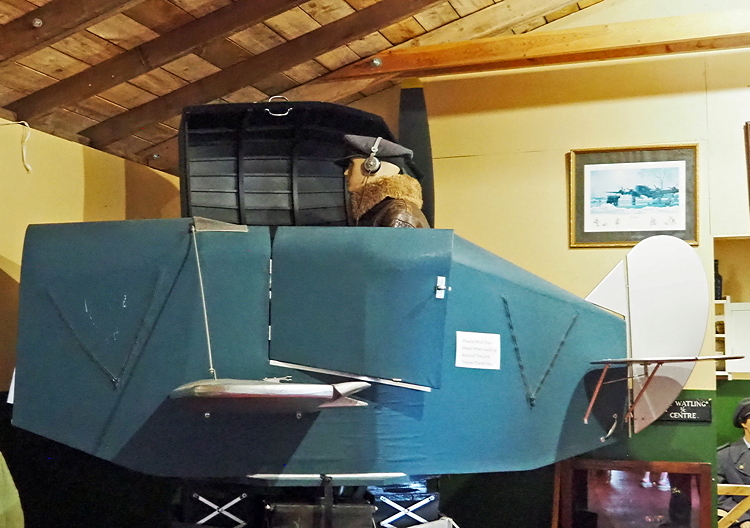
There is an original Link Trainer. These were patented by Edwin Link in the early 1930s, was the world’s first mass-produced aircraft flight simulator. The “Blue Box” used vacuum pumps and organ-style bellows to realistically simulate flight movements, pitch, and turbulence without leaving the ground. Few survive and this no longer in working condition as the pneumatics need restoring.
There are pyrotechnic flare canisters used to mark runways. When lit they would burn for two hours before needing to be topped up – not as job I would fancy!
There is a lovely 1940s wedding dress made from parachute silk. I remember after the war this was in great demand for nightdresses and was always dyed shocking pink or day glow orange…
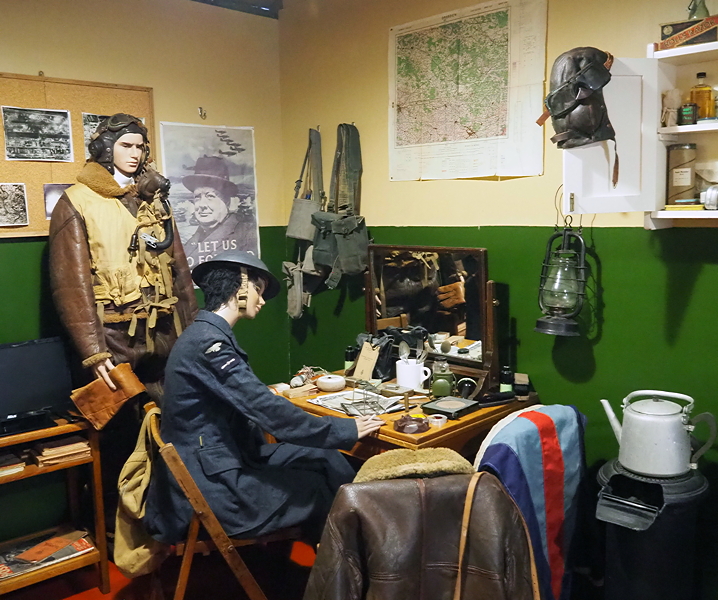
There is everything from a gas mask designed to be used by a baby, to uniforms and equiptment , to a fuel tank from a Lancaster Bomber.
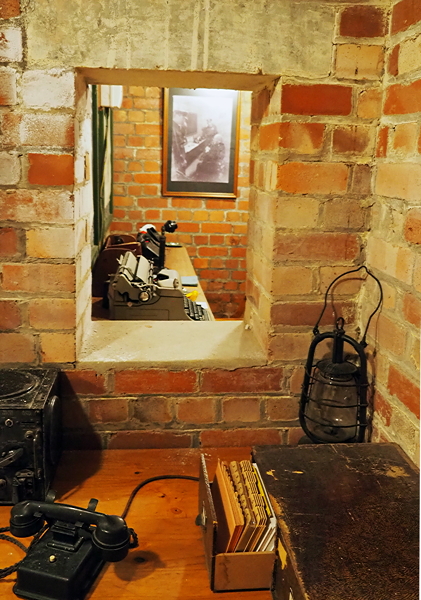
The underground Battle Headquarters and adjacent pill box have carefully been restored. Every air base had one for use in emergency and when under attack. They would have been covered with oil and earth to camouflage them from above. Again, there are very few that have survived.
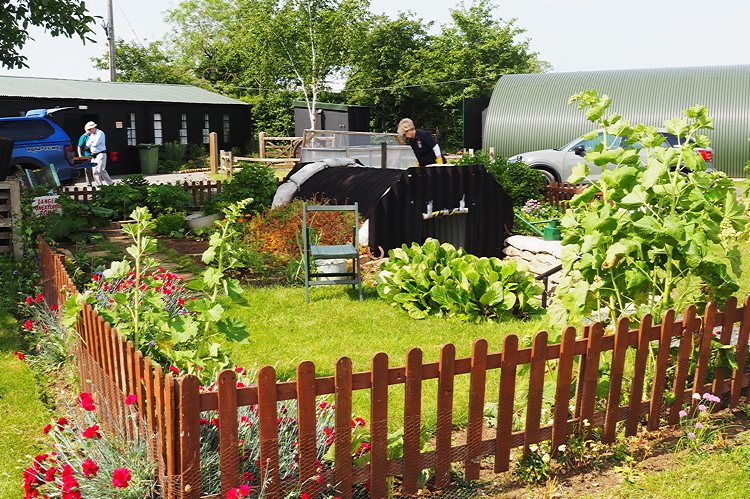
Parts of a wartime Anderson shelter were discovered on the site acting as a tractor shed. This has been restored and is now part of the Dig for Victory Garden, complete with an ‘unexploded’ bomb. Inside one of the huts is a reconstructed scullery and living room (bringing back memories of grandparents’ houses…)
The electrical substation survived and is now the NAAFI. The bacon butties and chocolate fudge cake come highly recommended.
I didn’t know about the centre until one of the volunteers gave a talk at my u3a. It really is a secret waiting to be discovered. The term ‘hidden gem’ is often overused, but this really is an excellent example of one. It deserves wider recognition and well repays visiting.
Volunteers on site are excellent – friendly and knowledgeable and keen to share information. Allow plenty of time to talk to them – this place is all about memories and stories.including the wonderful story of Margaret Horton who went for an unscheduled trip on the tail of a spitfire…
They are open Sundays and Thursdays during the summer months from 10-2. They also have special open days aimed at all the family. Entry is free so please leave a generous donation to support their work!
website
https://nlahcentre.com/