
Moldova has two autonomous regions: Transnistria, which the UK Foreign Office advise against travelling to, and Gagauzia in the south, which we spent time visiting on our 17-night tour.
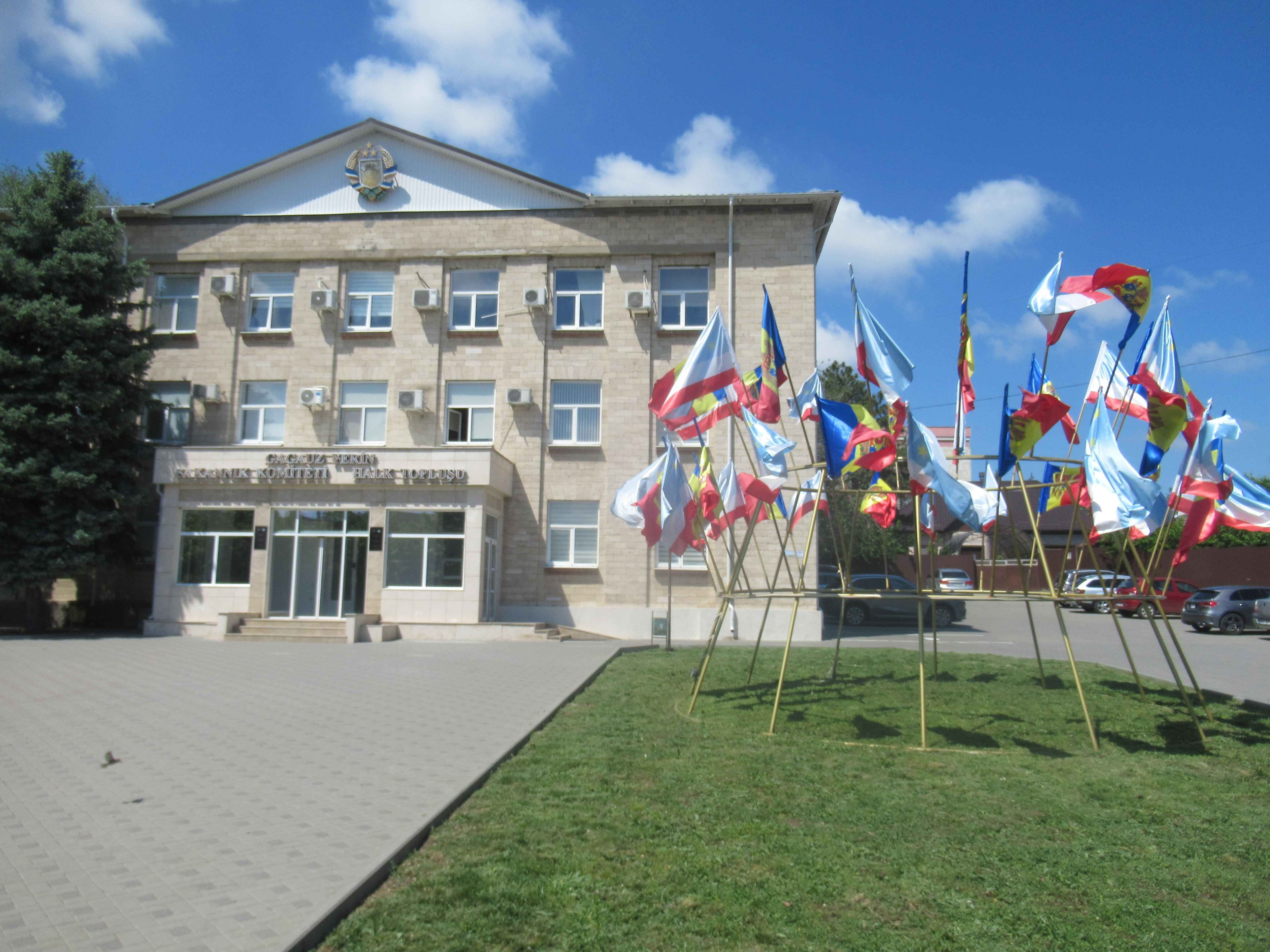
Before reaching the Gagauz capital of Comrat, we stopped at the regional boundary to photograph the welcome sign, where the Moldovan and Gagauz flags flew side by side. It was a good introduction to the region whose autonomous status was granted in 1994 following the peaceful resolution of tensions after the collapse of the Soviet Union. Here the name appeared as Komrat, the preferred Gagauz version which reflects the Russian spelling familiar from Soviet times. However, Comrat, the Romanian spelling is used throughout Moldova.
Although less than 100 km from its capital Chișinău, it felt very different with Soviet-era apartment blocks, war memorials and public monuments dominating. Russian was heard more often than Romanian, and signs were in Cyrillic.
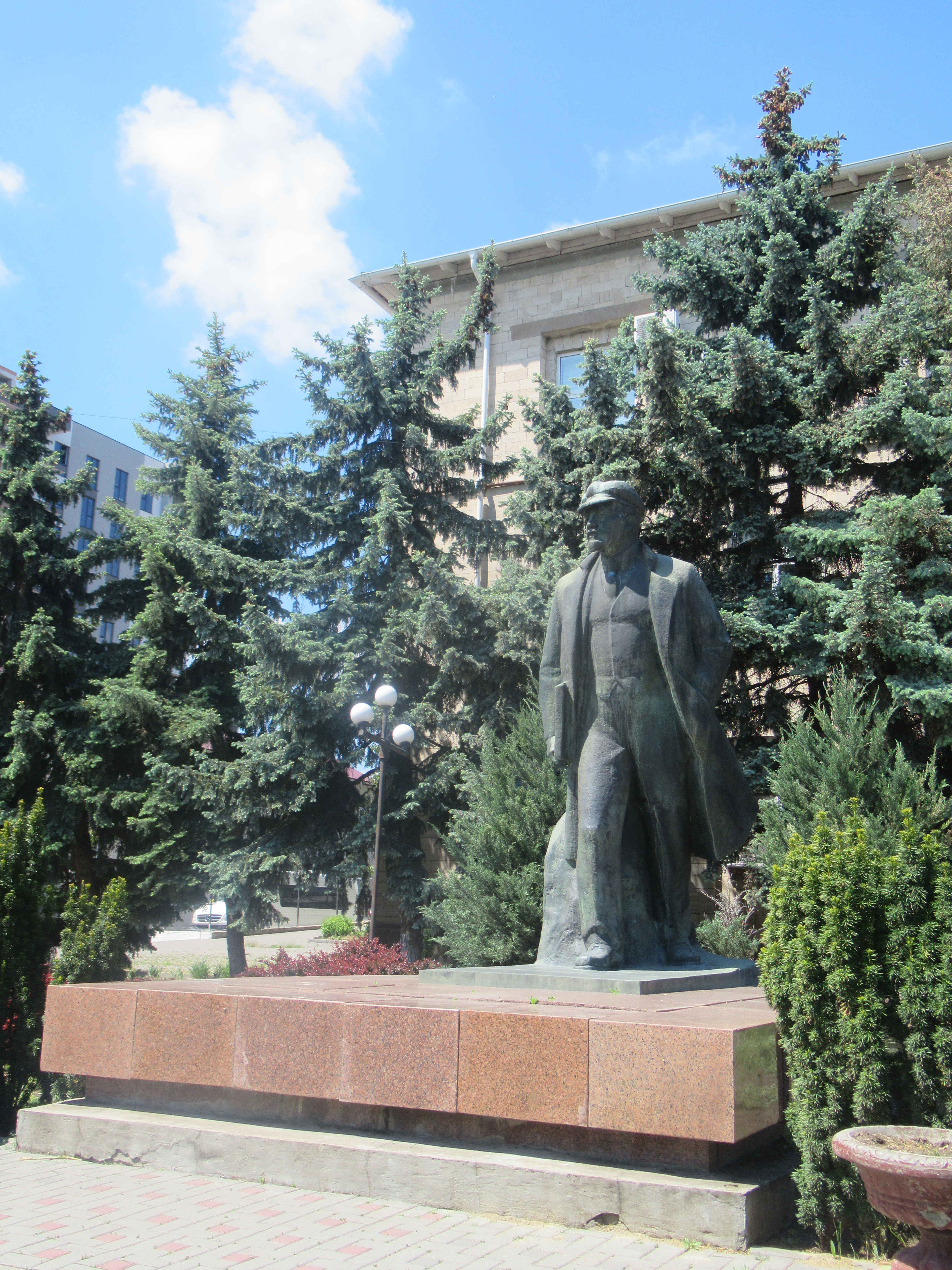
This Soviet legacy was visible outside the regional government buildings, where a bronze statue of Lenin stood in his familiar striding pose. While many former Soviet republics removed such monuments after gaining independence, Lenin is a reminder that Gagauzia maintains closer cultural and political ties with Russia than the rest of Moldova, who aspire to join the European Union by 2030.
Another memorial that caught our attention was dedicated to the local soldiers who died during the Soviet-Afghan War of 1979-1989. Rather than portraying a triumphant hero, it depicted a weary young soldier resting on a rock, his expression thoughtful rather than victorious. The granite pedestal was inscribed with the names of those who never returned, and fresh flowers had been left by relatives and veterans.
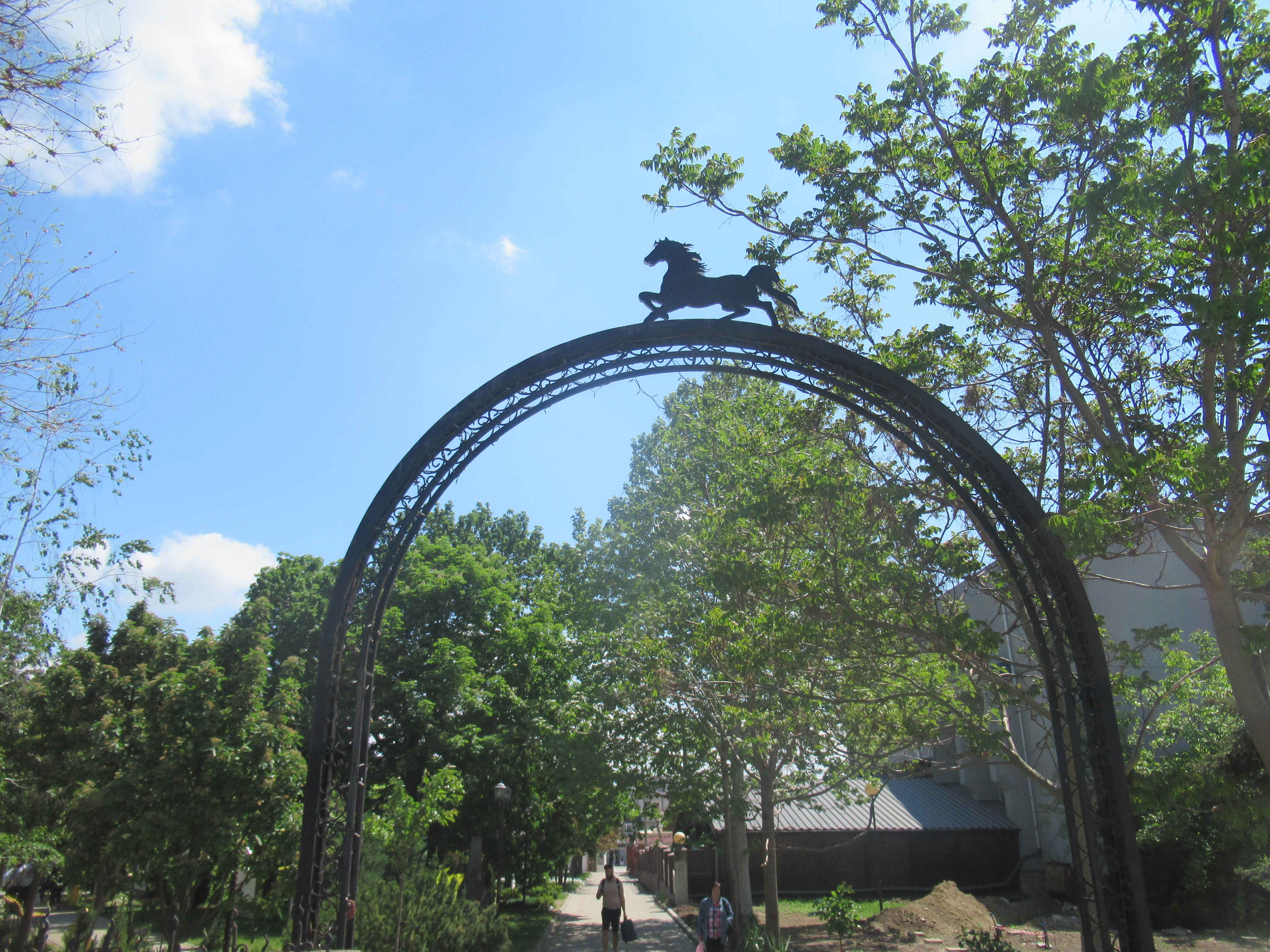
As we wandered through the town, we spotted black stallions decorating benches, gates and arches. According to Gagauz legend, a black horse guided their ancestors across the vast Eurasian steppes until it finally stopped in what is now southern Moldova, signalling that they had reached their new homeland. It is now a symbol of guidance, freedom and perseverance.
Walking around the compact city, it became clear how closely Gagauzia’s identity is linked with Turkey. Although the Gagauz are Eastern Orthodox Christians, they speak a Turkic language closely related to Turkish. Signage demonstrated how Turkey has invested heavily in the region, funding schools, hospitals and cultural projects while helping preserve the Gagauz language and traditions. We even passed an outdoor chess area where children were playing beneath signs acknowledging support from TİKA, the Turkish Cooperation and Coordination Agency.
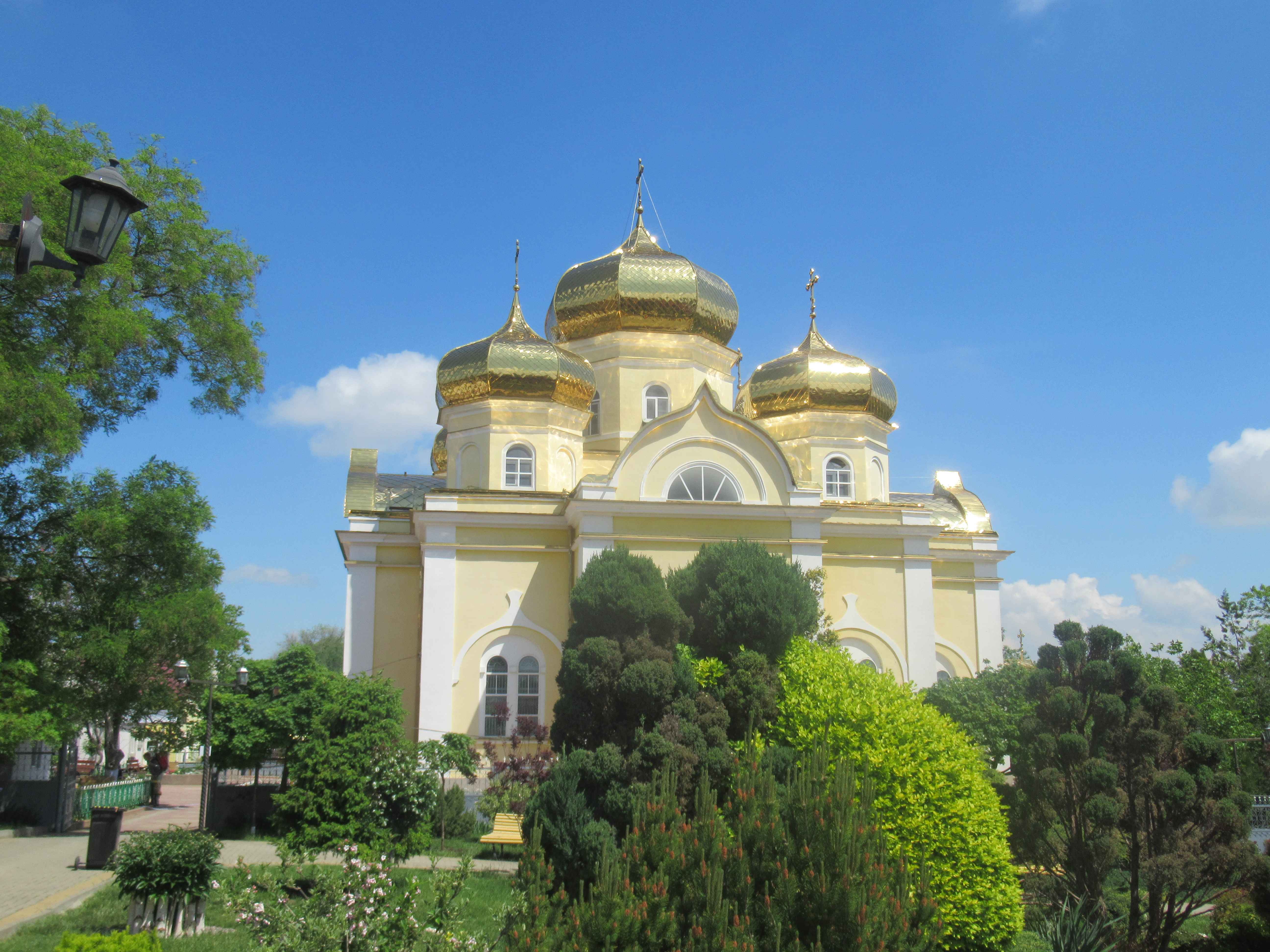
Our walk eventually brought us to Central Park, Comrat’s main green space and a popular meeting place for local families. Here stood the elegant St John the Baptist Cathedral with its white and pale-yellow walls topped with gleaming golden onion domes. The peaceful atmosphere made it difficult to imagine the darker chapters of the region’s past commemorated at the nearby Memorial to the Victims of Political Repression, unveiled in 2013 to honour the thousands of people from Gagauzia and the rest of Moldova who were deported, imprisoned or executed during Stalin’s rule. The design was simple but said to be symbolic: rough unfinished stone representing lives abruptly interrupted, polished black granite giving voice to those once silenced, while engraved barbed wire recalled the prison camps and deportations. A single red flower at the top symbolised remembrance and mourning. The inscription, in Russian, reflected the fact that although Gagauzia has three official languages, Gagauz, Romanian and Russian, the latter remains the language used in daily life.
Comrat was a small city and not packed with major tourist attractions and most of its sights were within easy walking distance of Strada Lenin, the main thoroughfare, which made it an enjoyable place to explore on foot in half a day.