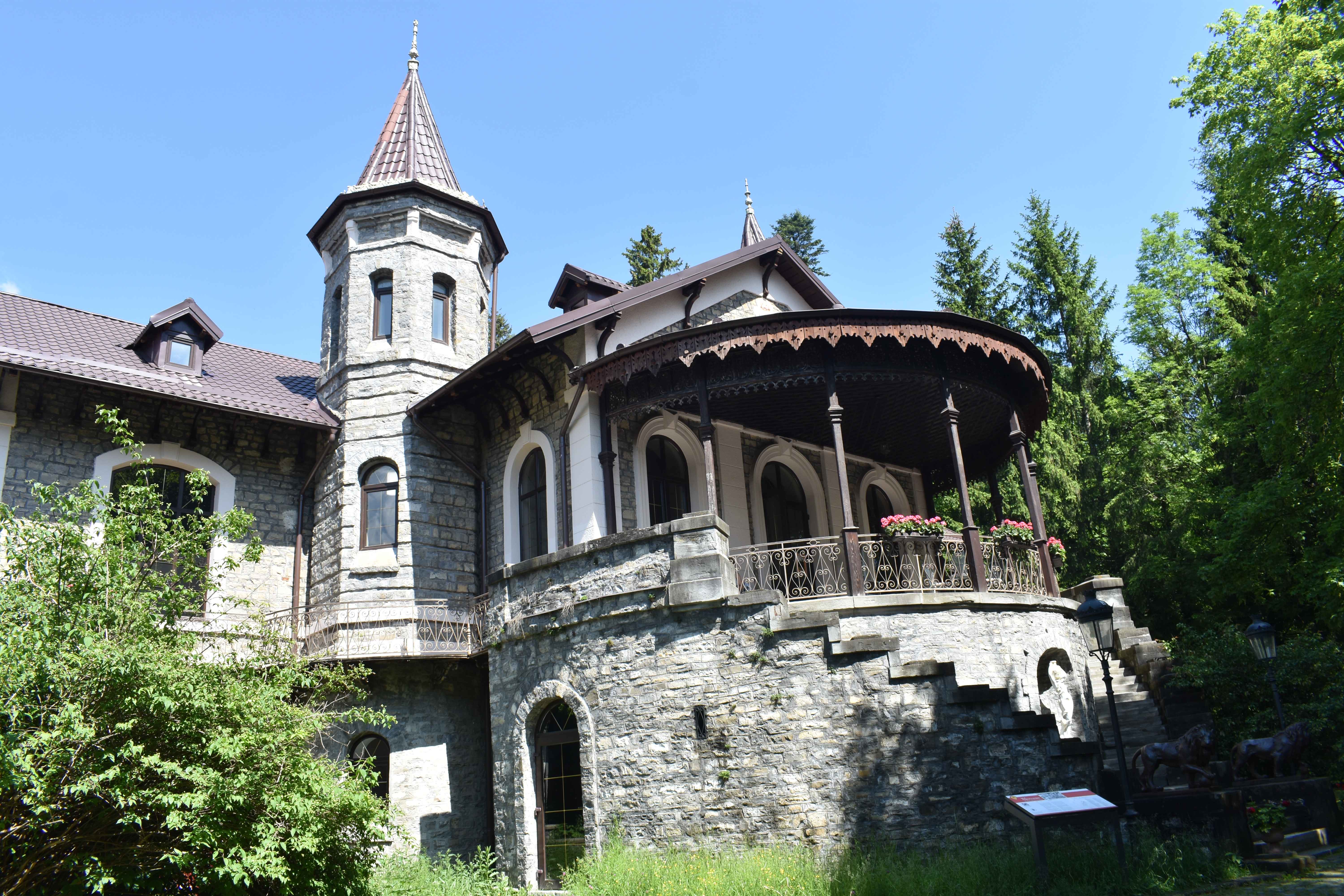
We visited Štirbey Castle, also known as Sinaia City Museum, located within Romania’s Prahova Valley. It was not originally on our list of things to see, but we had time to kill before our 11am ticket for the nearby, and more famous Peleş Castle, featured on the cover of our Rough Guide.
At 10am we paid 25 Lei (£4.16) each for pensioners, and despite a ‘No Photos’ sign, we were told it was fine: possibly because we were the only visitors. Whilst an audio guide was offered, we declined as the information was helpfully in Romanian and English.
The castle was built in the mid-19th century as a summer retreat for the noble Štirbey family, one of Romania’s most prominent aristocratic lineages, and there was lots of information about the family history.
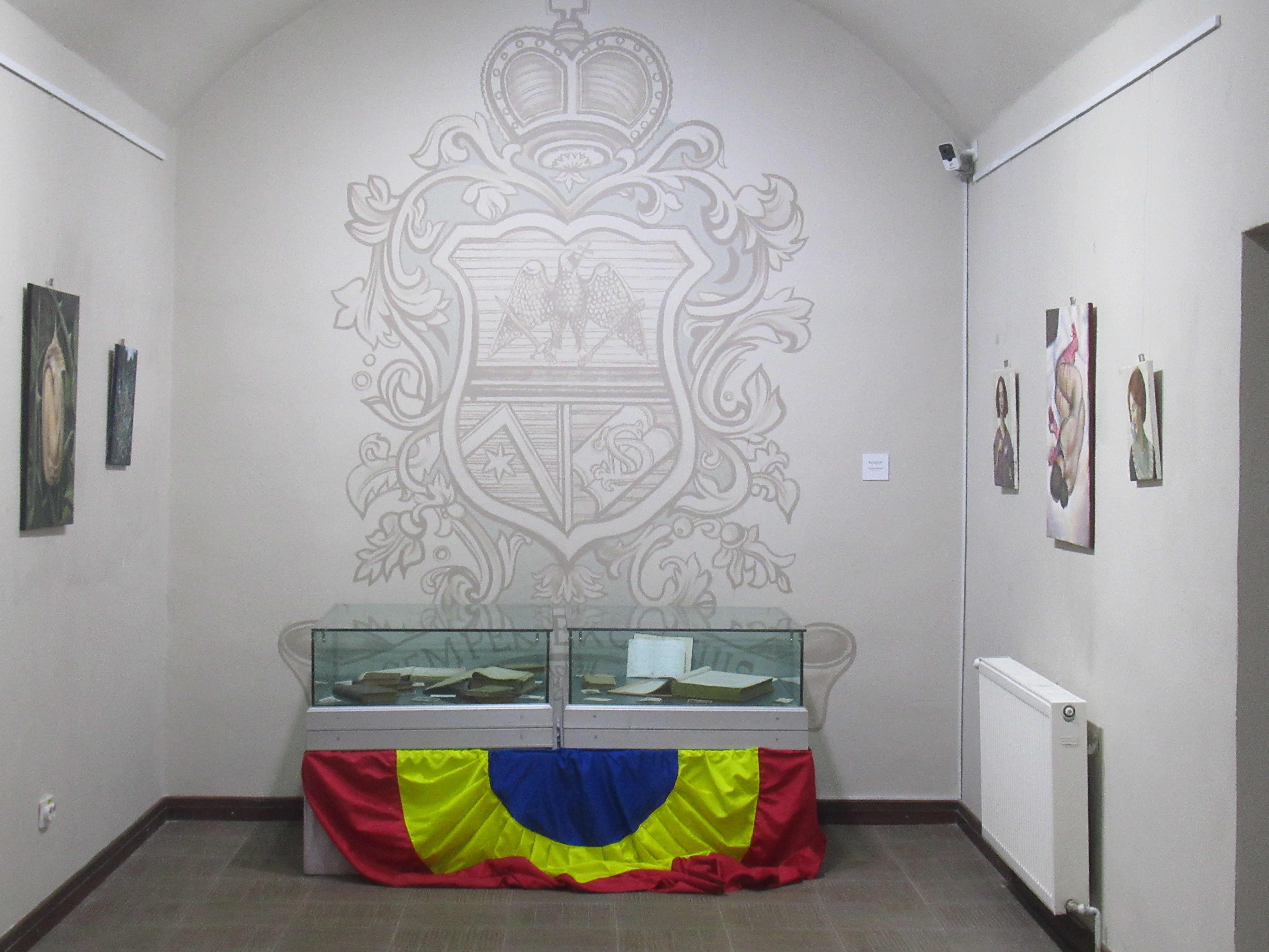
In all there were 13 themed rooms, on a diverse range of subjects including the role of the Communist Pioneers, the reintroduction of scouting into Romania, and sport and leisure.
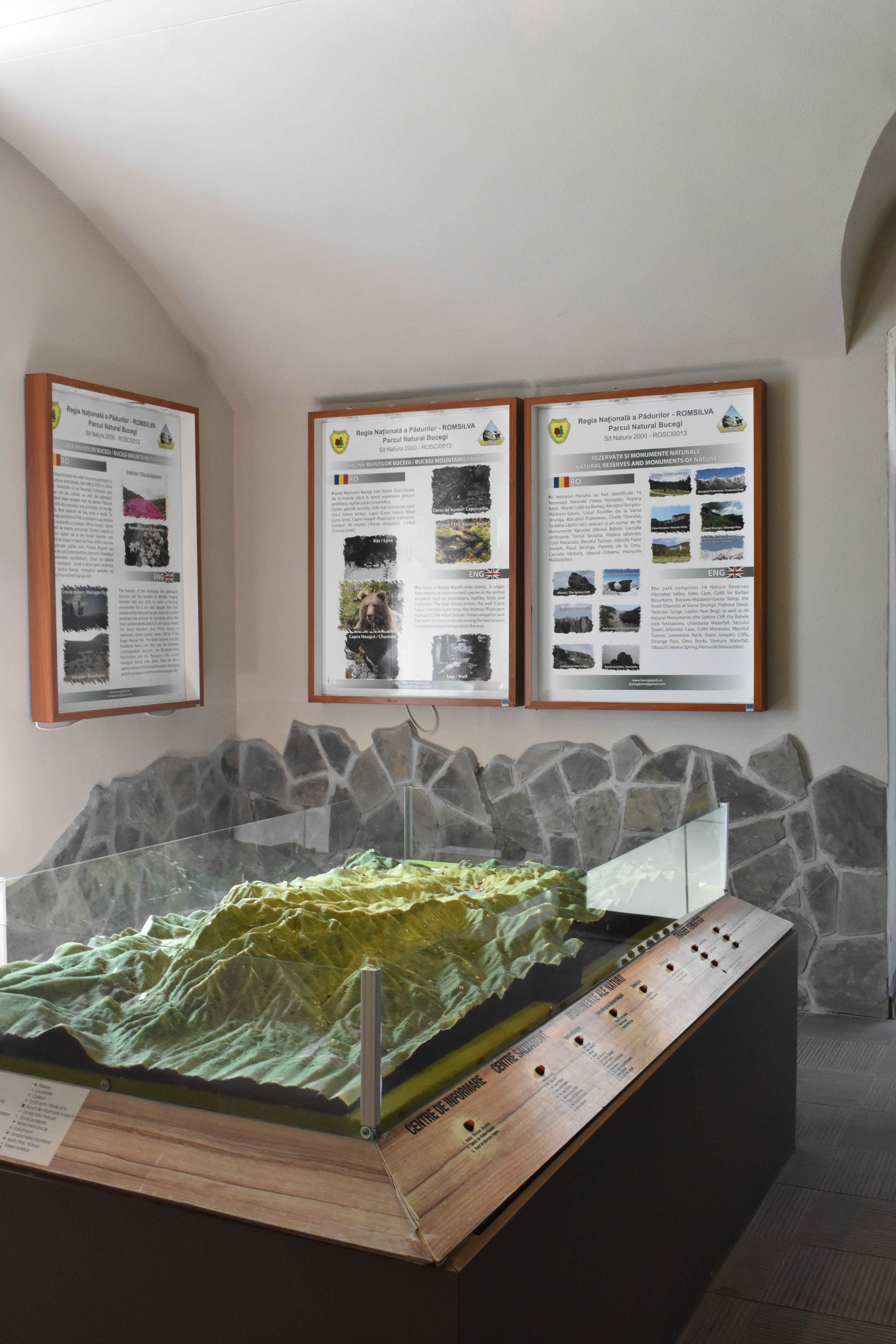
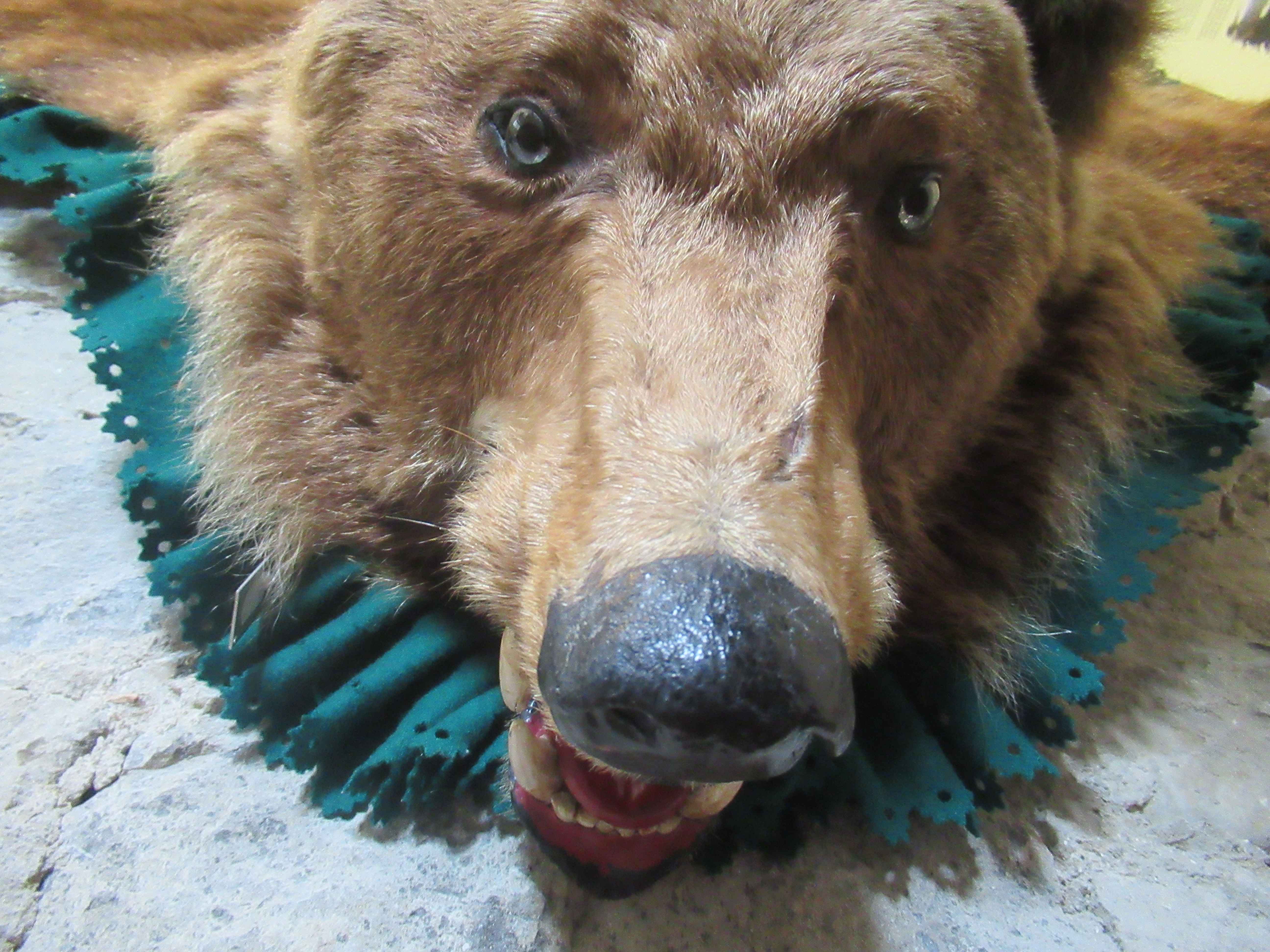
A room entitled ‘Bucegi Mountain Hall’ displayed stuffed wild animals including brown bears, and photos of the nearby Franz Joseph Rocks: distinctive rock formations in the Bucegi Mountains, renamed following a visit by Emperor Franz Joseph of Austria.
A room listed ‘Important people in Sinaia’ and whilst many were Romanian and unrecognisable, two stood out. The first was Yehudi Menuhin who visited Sinaia in 1927 to take violin lessons from the Romanian composer George Enescu. The second was King Ferdinand’s wife, Marie, a granddaughter of Queen Victoria. She was born in 1878 at Eastwell Park in Kent but died in Pelişor Castle which were visiting after Peleş – it was to be a day of three castles.
There was a display of twinned cities where we discovered that among the many ‘twins’, were Thame in Oxford, with the charter being signed by Mayor Champken-Woods in 2012.
I also enjoyed learning about an Italian mason named Filippo Dozzi, who in 1910, founded a salami production enterprise in Sinaia, finding that the local climate was ideal for drying meats. He produced what was then called ‘winter salami’ or salam de iarnă and exported it with a stamp reading ‘Customs of Sibiu’, giving rise to the name Sibiu Salami.
There was a lovely coffee shop on an outdoor terrace, but unfortunately Peleş Castle awaited.
Whilst the castles of Peleş and Pelişor were much grander, we much preferred the quieter and more interesting Štirbey Castle.