
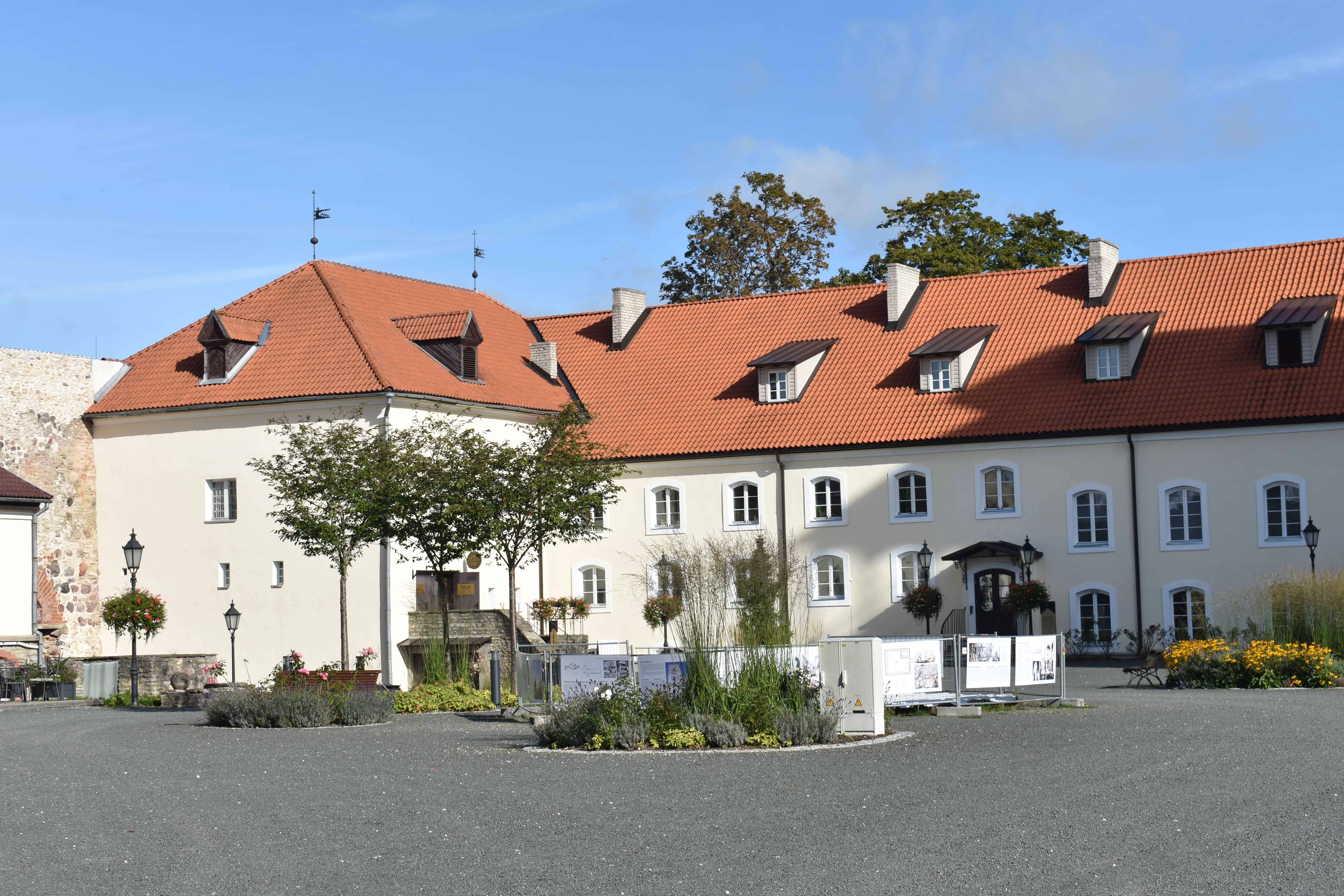

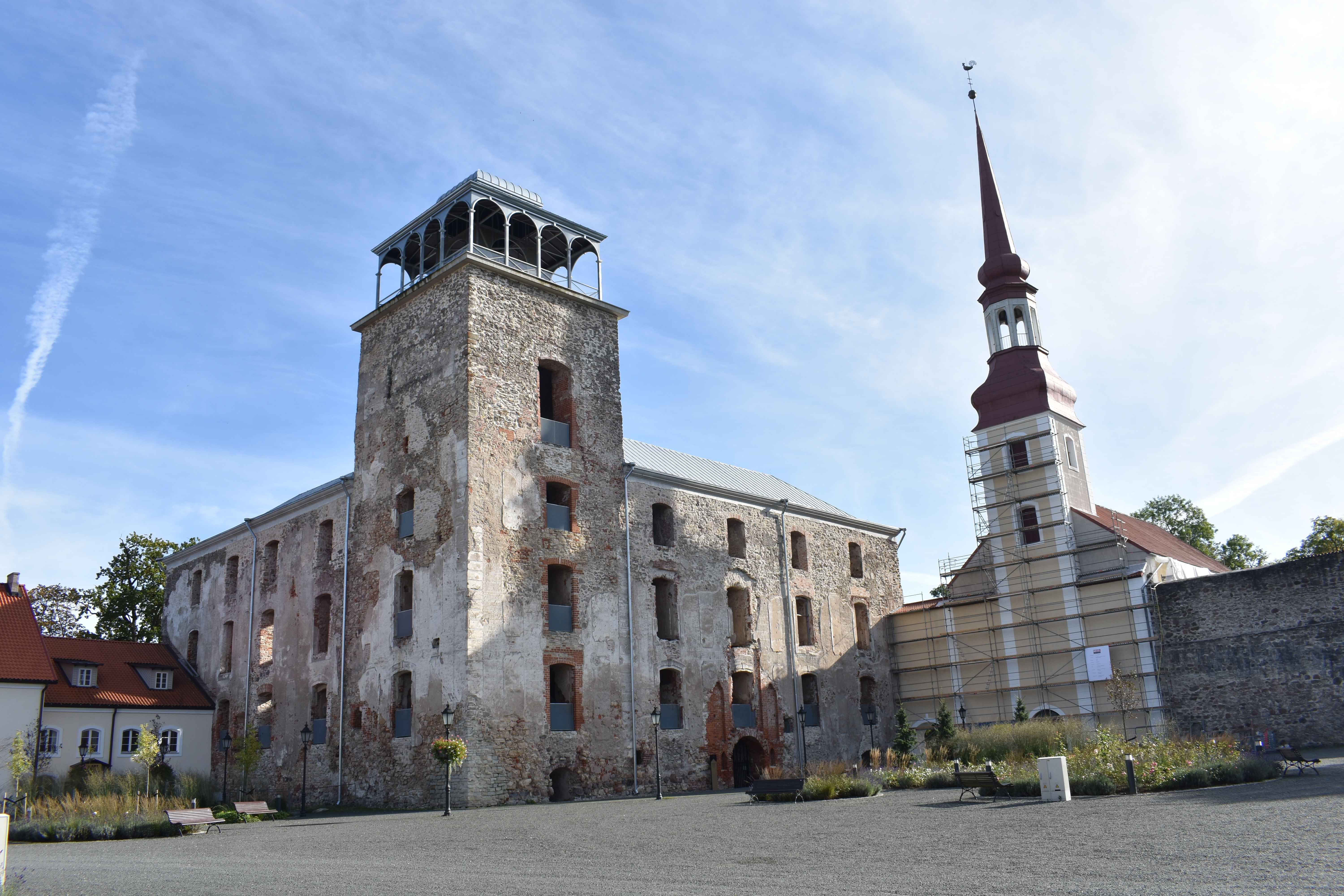
Whilst driving between the Estonian capital Tallinn and Tartu, we stopped in the village of Põltsamaa which suffered significant destruction due to an air raid in June 1941, with most of the wooden houses destroyed. However, the church and Põltsamaa Castle, dating back to the 13th century, survived due to their robust stone construction.
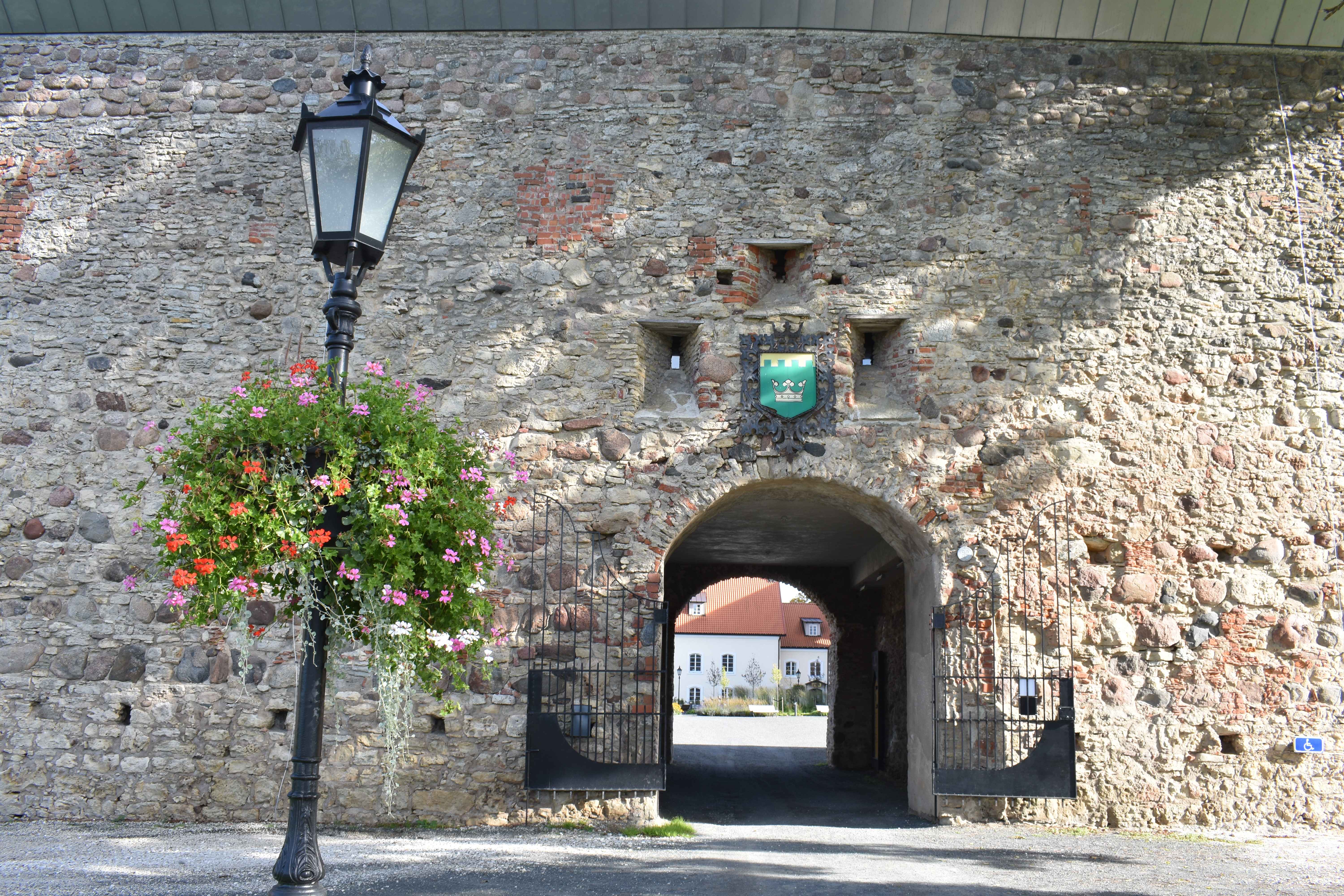
An arch in the thick castle walls, with the coat of arms above, led us into the square courtyard. Since the early 2020s, there has been significant restoration and conservation work on the Castle, and it now houses the Põltsamaa Museum. Unfortunately, the viewing platform was closed and the church, whose restoration was funded by the villagers during the soviet period, was scaffolding clad and off limits.
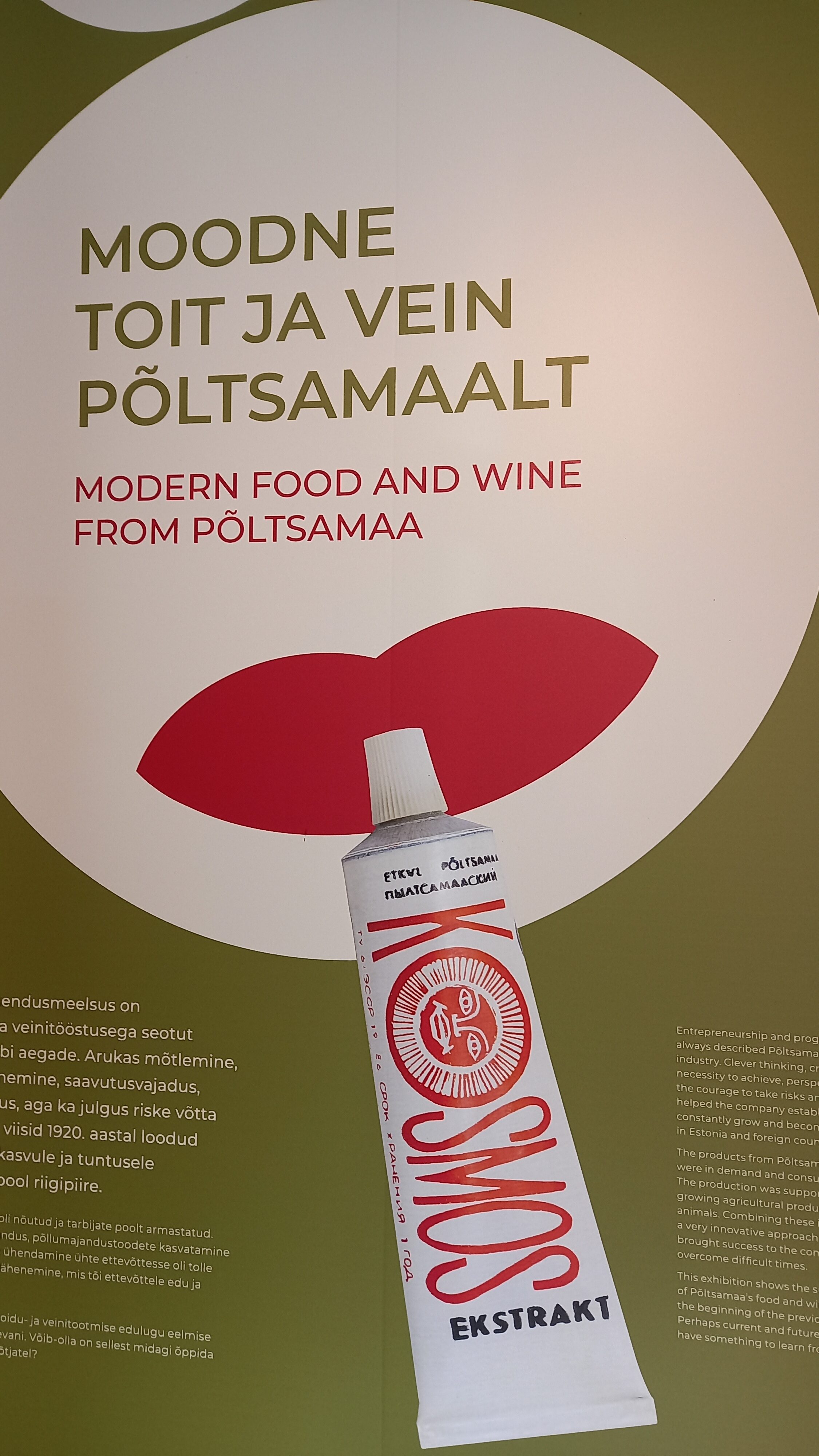
However, we were able to visit a new permanent exhibition called ‘Modern Wine and Food from Põltsamaa’ which focused on the towns thriving industry food and fruit wine industry.
In 1961 the food factory, Põltsamaa Felix, packaged food in tubes, and although this was originally mustard, it expanded to other foods including soups, pâtés, coffee with milk, and marmalade. All the sealed tubes were suited for space missions, but they were available generally and our guide said as a child he loved eating what they called ‘space food’.
Black and white archive footage showed workers doing manual jobs like gluing labels on by hand before processes were automated, and we saw basic machinery for bottling and corking.
During the Soviet era, workers would be offered holidays, and again archive footage showed them on wooden skis and in saunas prior to rolling in the snow outside. Our guide remarked that their bathing suits would have been for the camera as they would have been naked.
We really enjoyed this small but interesting exhibition, and visited a nearby shop to buy Põltsamaa mustard, naturally in tubes and fit for space.

