
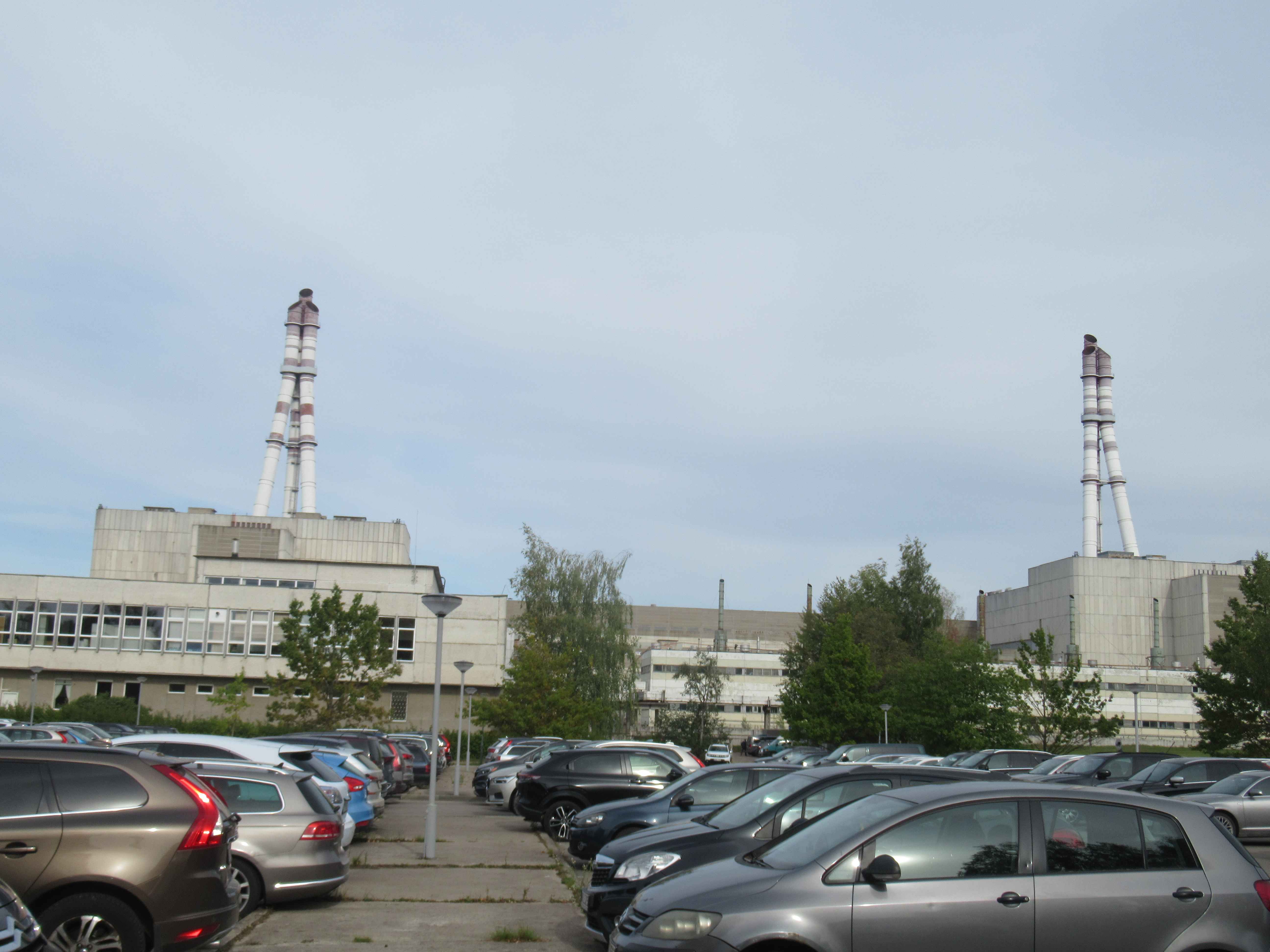
Before embarking on our month-long tour of the Baltics, we would never have imagined that our visit to Lithuania’s Ignalia Nuclear Power Plant would be one of the highlights.
We began in the city of Visaginas, purpose built in 1975 to house the plant’s workers and families. Its design was typical of a Soviet ‘planned town’ with residential micro-districts, wide streets, uniform apartment buildings, and infrastructure like schools, shops and hospitals. The labourers employed on the construction site came from many corners of the former Soviet Union, which influenced the multicultural and multilingual character of the town.
In the Visaginas library, a scale model showed how the town, built on forest land, was originally designed to resemble the outline of a butterfly. However, the plant’s operations were stopped when only two of the four planned reactors had been built, so one ‘butterfly wing’ remained unfinished. Nearby, a digital clock would have originally shown radioactivity levels to reassure residents.
The actual nuclear plant was 7 to 8 Km away and buses would have been laid on to ferry workers as it was a 24/7 operation. On arrival, we lunched in the utilitarian staff canteen, on pasties, although soup and a main were available, and memories of school dinners came flooding back.
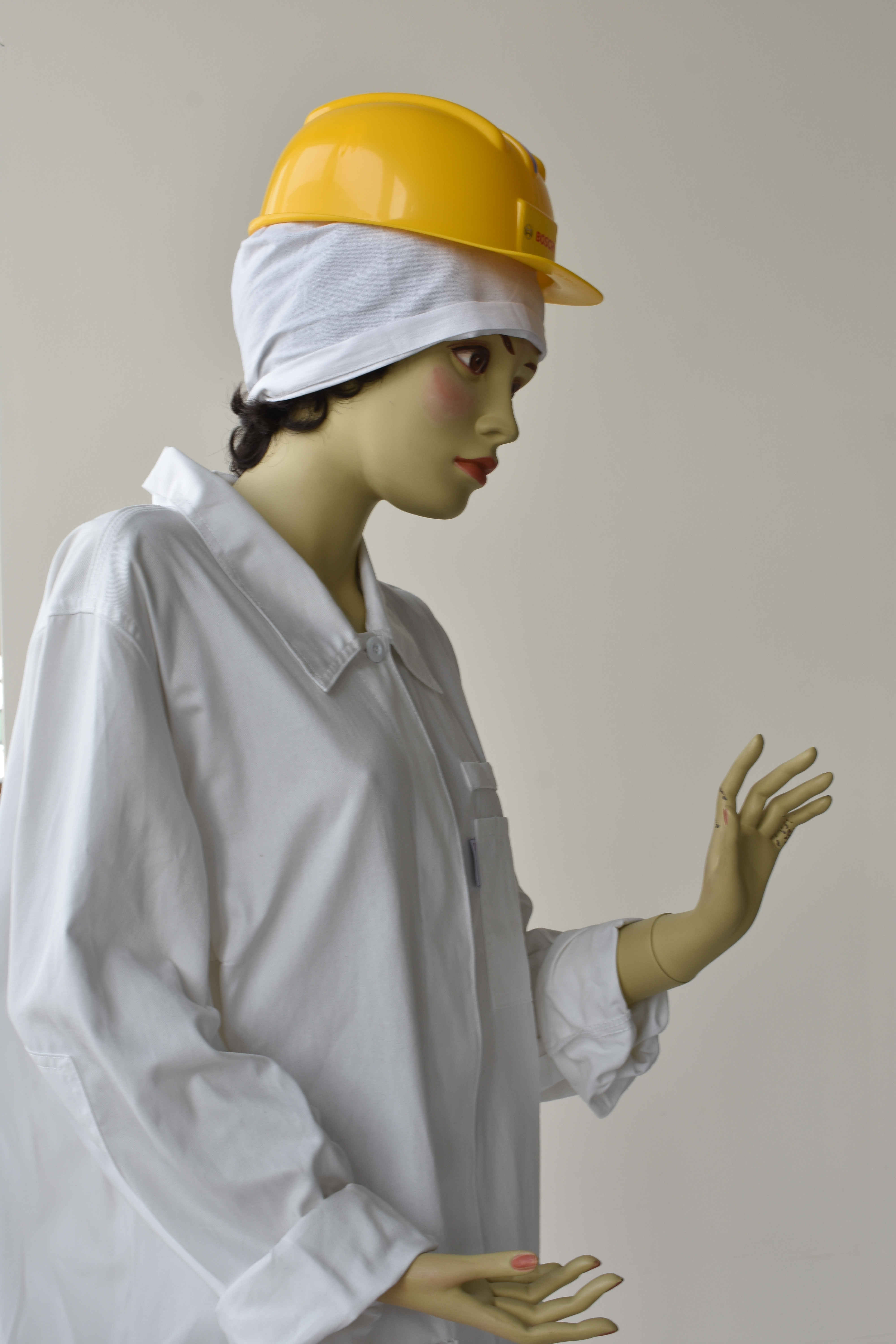
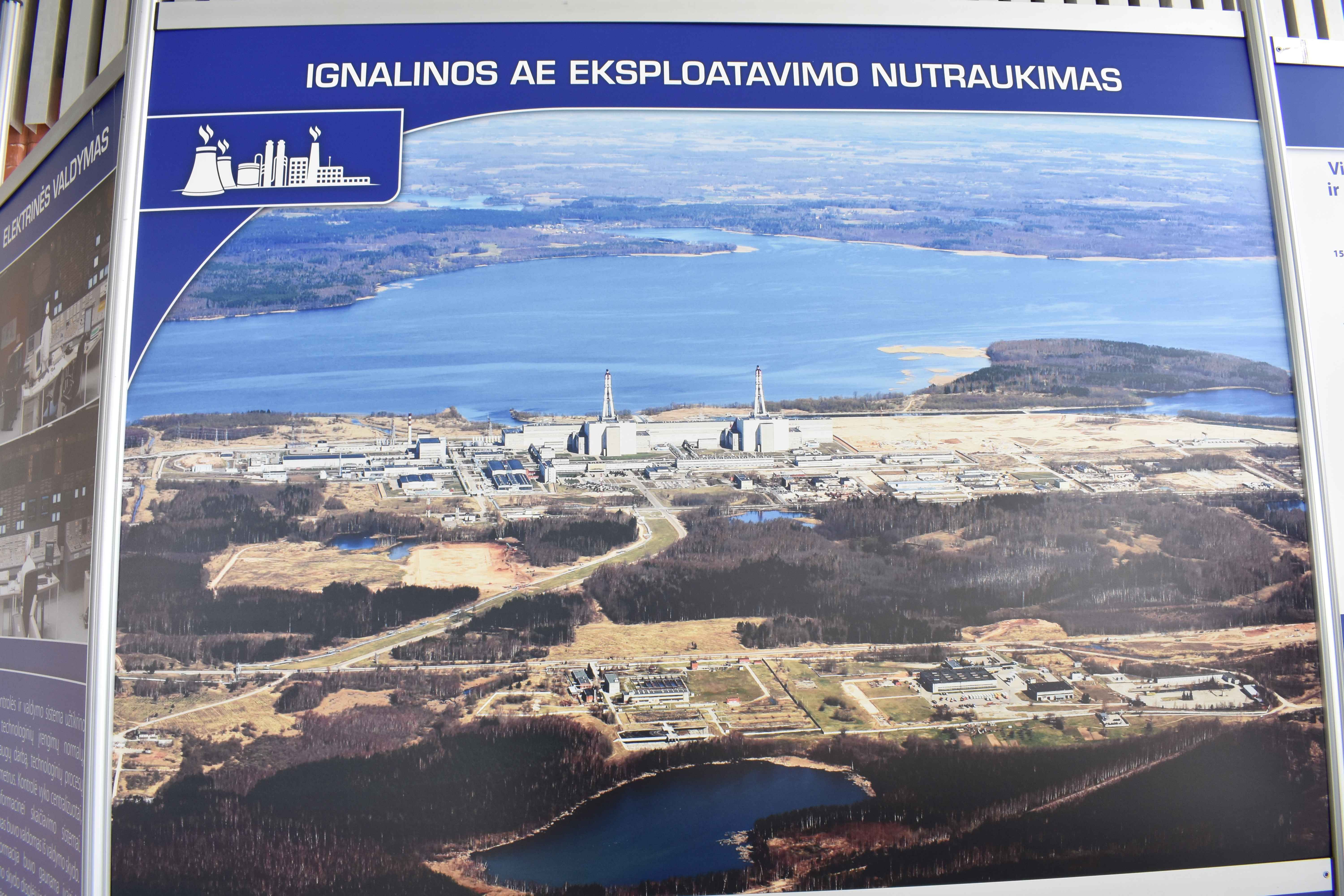
In the visitors’ centre we learned that the reactors at Ignalina were of the RBMK type, and the same general design as those at the Chernobyl Nuclear Power Plant. After the disaster in 1986, RBMK reactors became globally controversial, especially within Europe, but the plant kept functioning until 2009. It then closed and a long, phased decommissioning project began, which had an original completion date of 2038, which has now been extended to 2050. We saw models of the plant and learned how the reactors functioned, discovered the many problems faced in dealing with radioactive material and saw the various outfits which had to be worn.
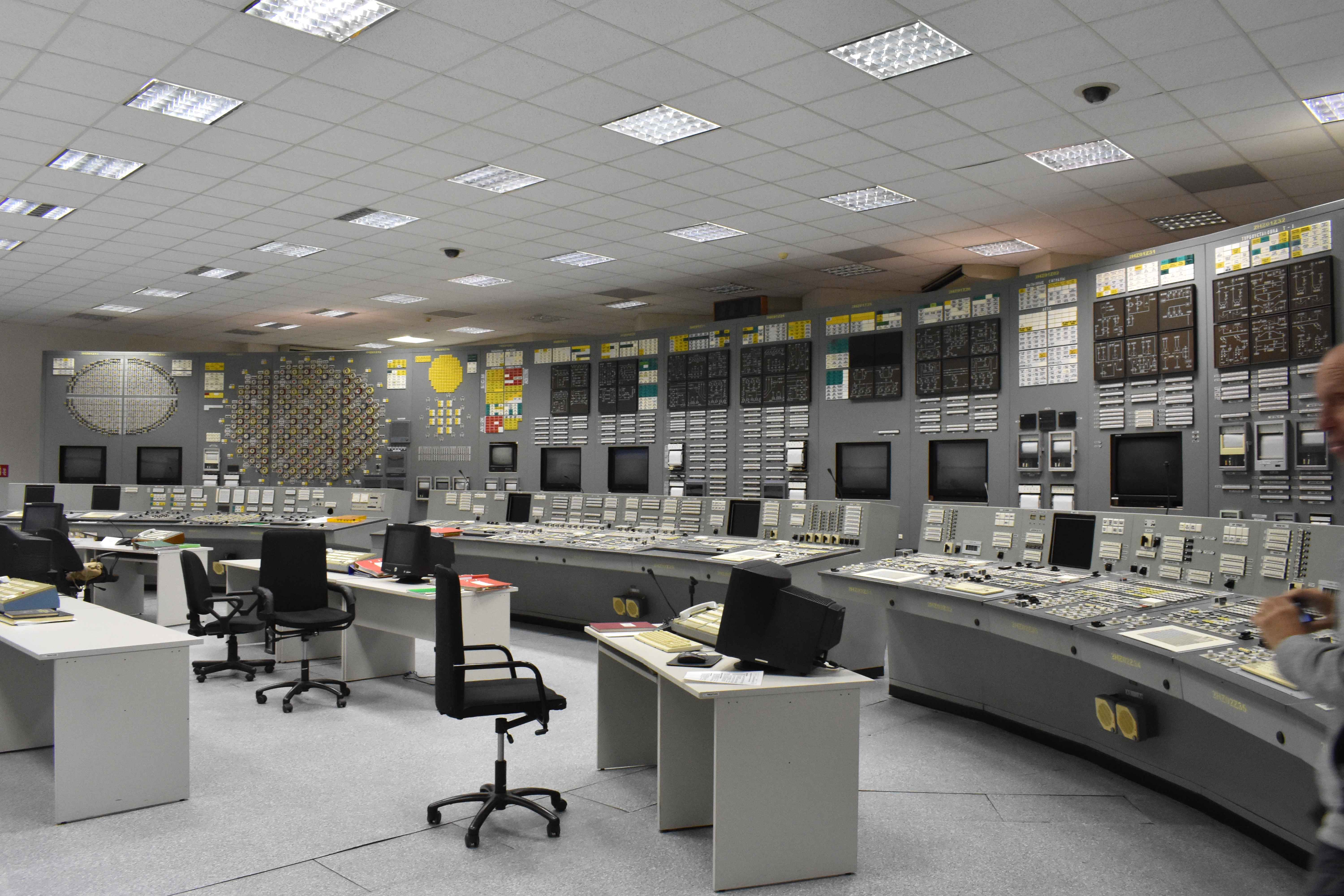
A short drive took us to the training simulator, created when the findings into the Chernobyl disaster emphasised the need for training as in an emergency, literally every second counts. In the large room, there were a vast array of monitors, consoles, buttons and knobs, and we were amazed that only four workers, each with specific roles, would have been on shift at once. They worked very closely as a team, and if one person was absent for any reason, the whole team was replaced. We were also shown detailed instruction manuals and the steps to be taken in an emergency.
On returning home we watched the Chernobyl DVD and were pleased we’d not seen it prior to our visit.