During our tour of Moldova, we spent two nights at Cuib Complex Turistic, a small rural guesthouse, which quickly became one of the most memorable stays of our trip. With only five individually designed rooms, all shown on their website, the place was intimate and homely. After a warm welcome and introduction from our host, Ecaterina, we were shown to Room Three. This meant navigating an open wooden spiral staircase, but fortunately our driver carried the bags.
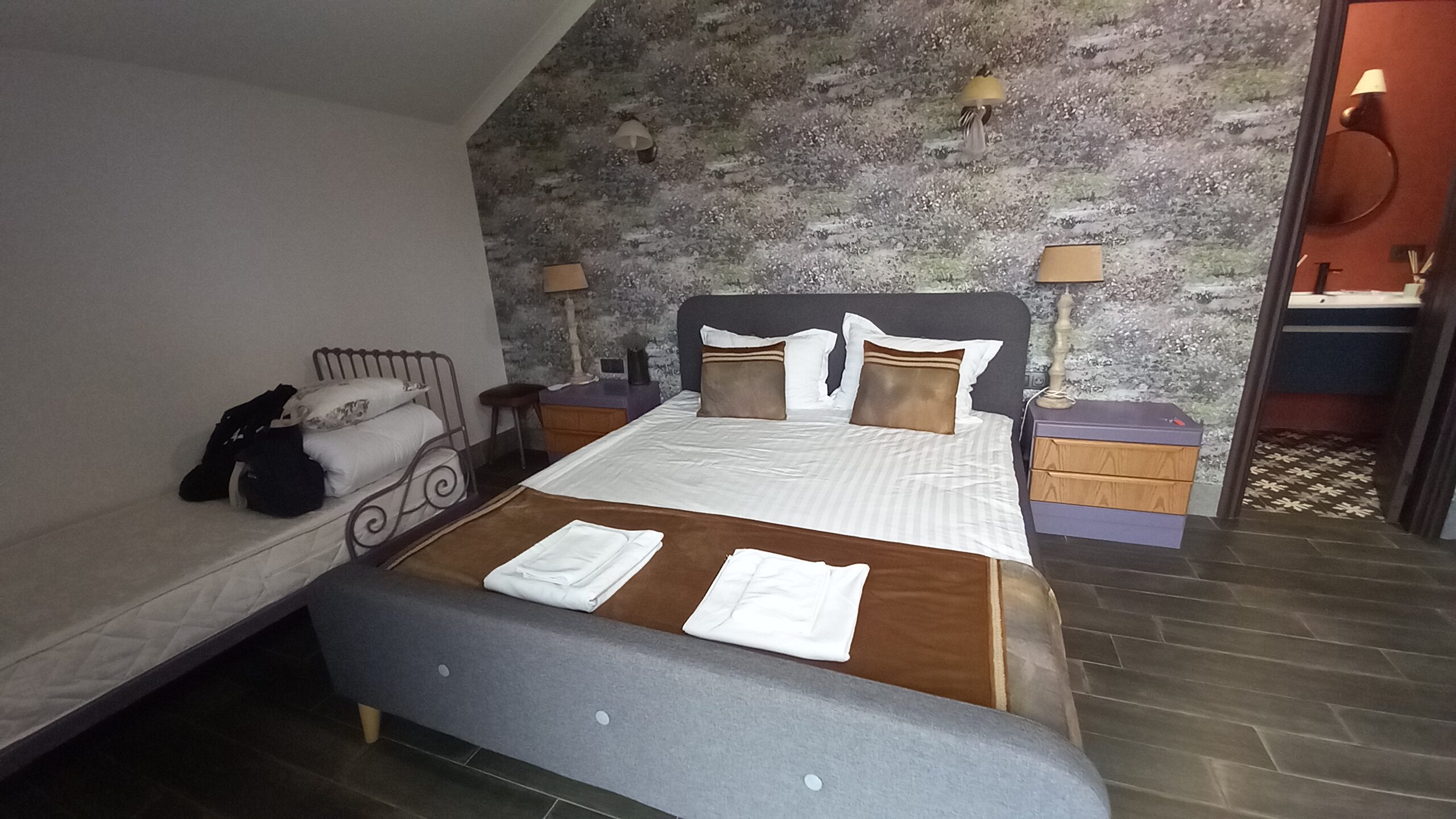
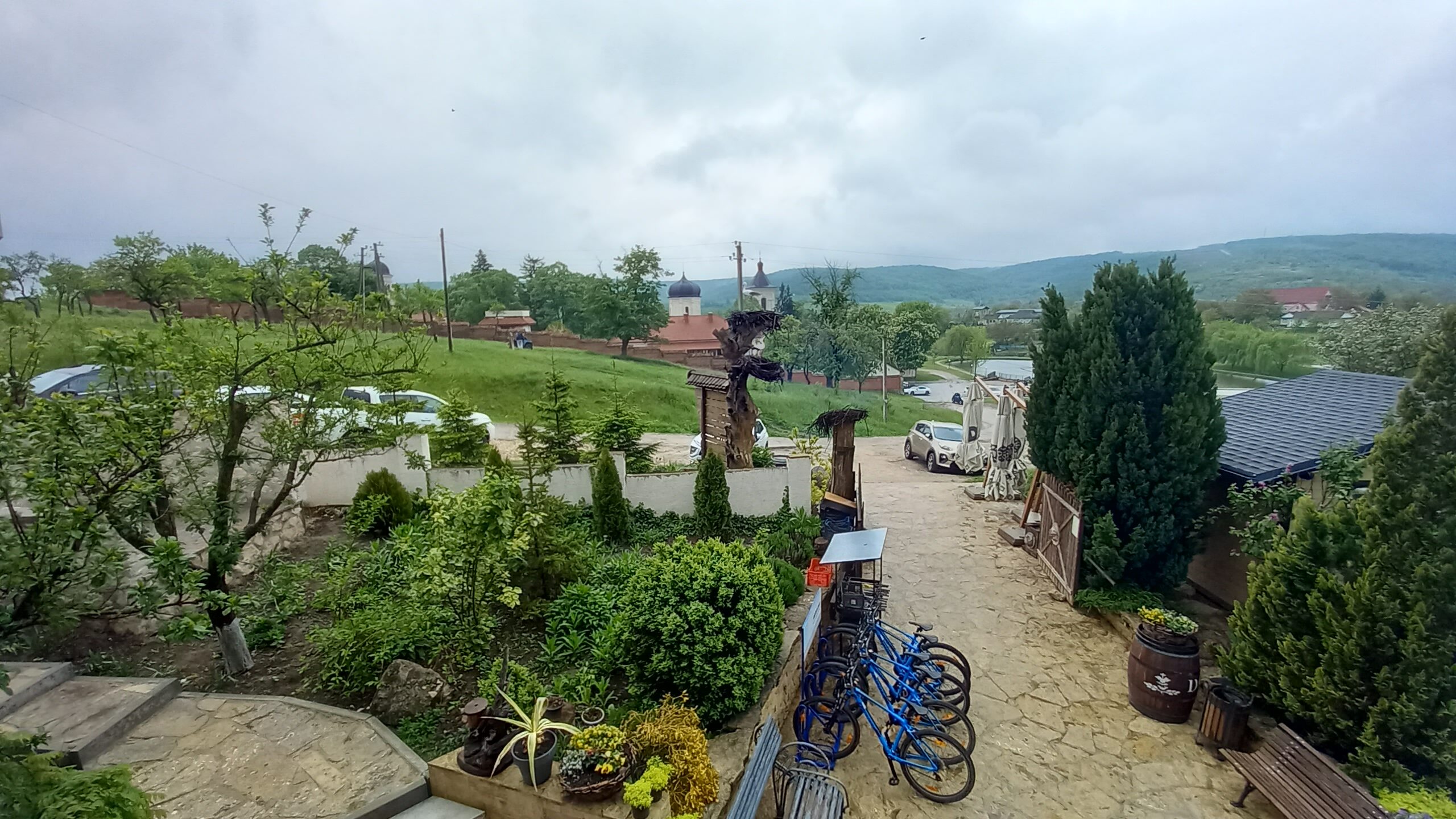
The room was comfortable and attractively decorated, with a feature wall adding character. Furnishings included both double and single beds, bedside tables with lamps and sockets, an armchair, a stool, and a wardrobe with shelving. The practical laminate flooring was softened by rugs. The duvet on the double bed was a little small and only one pillow per person was provided, so we used the pillows from the unused single bed. A television was available, but there were no extras such as bottled water, tea or coffee-making facilities. The highlight was the view: from our window we looked directly onto the beautiful Capriana Monastery we had visited earlier.
The compact bathroom was well equipped. Although the walk in shower lacked both strong water pressure and consistent heat, there was plenty of space for toiletries, lots of towel hooks, complimentary amenities, including toothbrushes, and an excellent mirror–hairdryer setup.
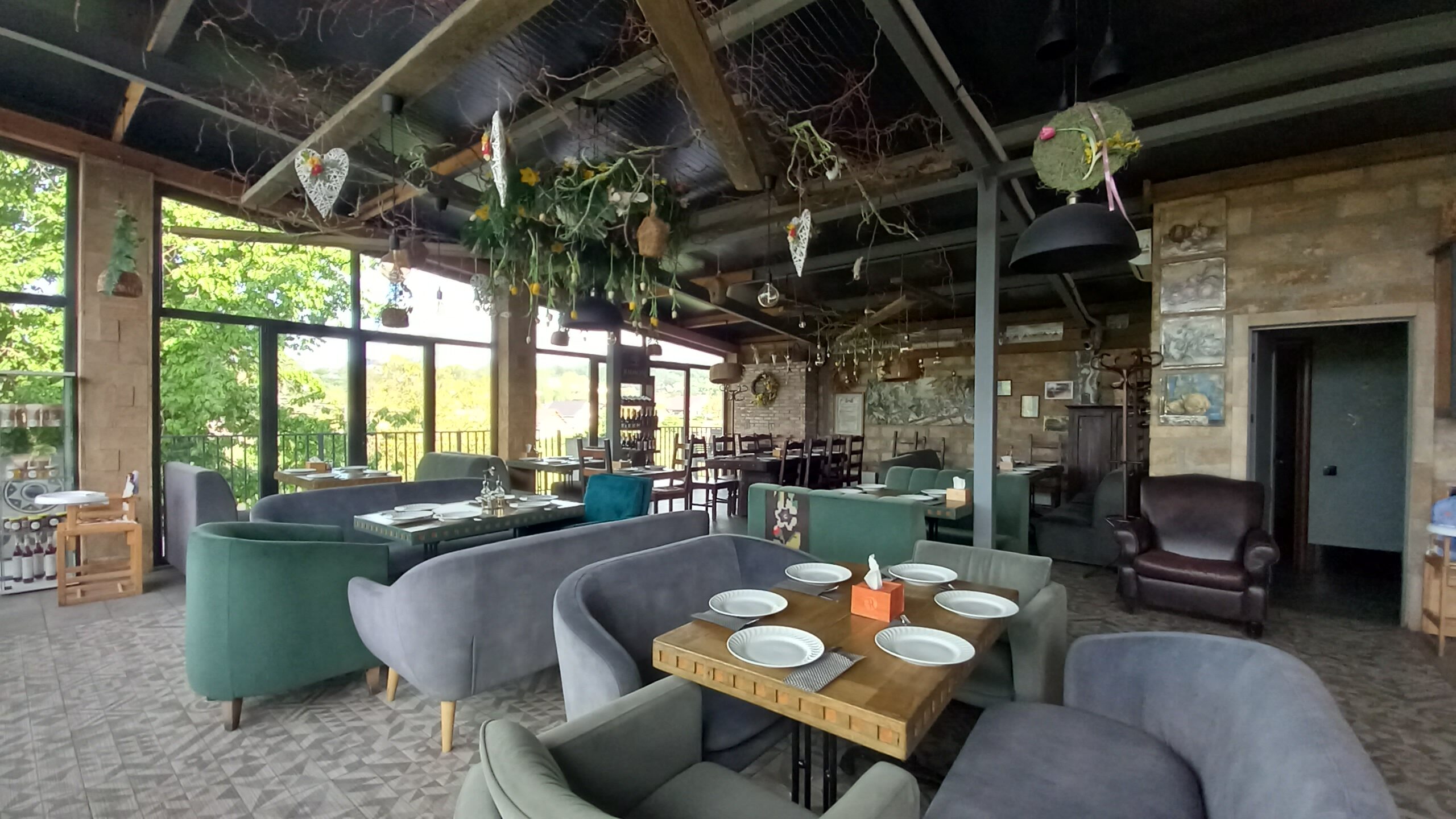
Despite being the only overnight guests, the modern, bright restaurant was lively on a Sunday, with visiting families from Chişinău, as Moldova’s capital is only 48 km. Although the menu was only in Romanian and Russian, Ecaterina helped us navigate the sections.
Having already eaten a large lunch, we ordered a litre of homemade white wine and a platter of six varieties of afumături boierești (Boyar style smoked meats) with pitta bread. The wine was excellent, and astonishingly good value at £5.50.
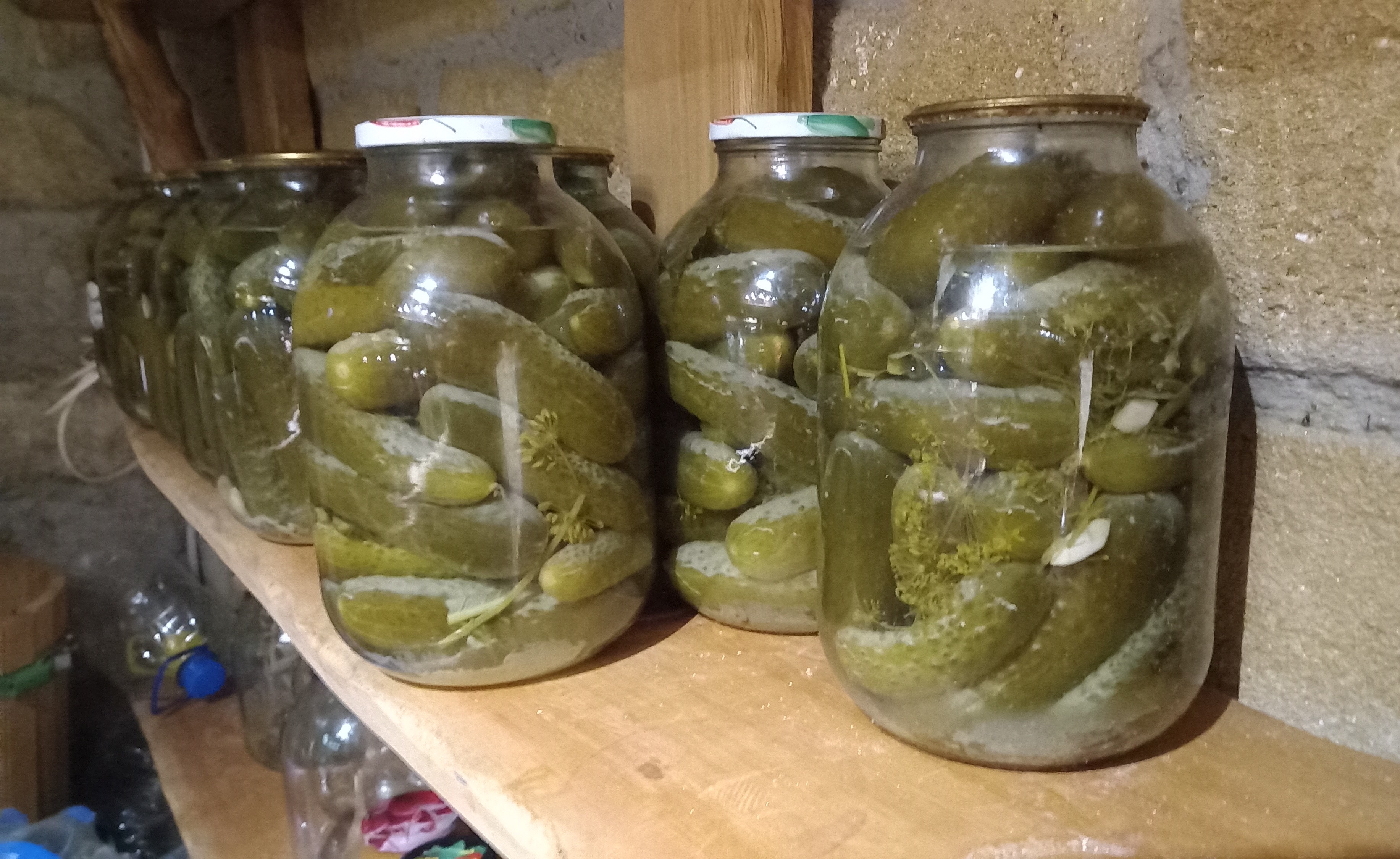
Midway through the evening, Ecaterina offered a tour of their cellar. The cool, cavernous space was traditionally used for storing preserves and fermented foods through winter. Although many shelves were empty in May, there were still impressive quantities of pickled watermelon, cucumbers, cabbage, vine leaves for sarmale, and jars of homemade adjika made from tomatoes and garlic. We also saw a substantial stock of bottled wines and large vats of homemade wine.
Having already sampled the white wine, we were offered a taste of the red, accompanied by a platter of assorted pickles including watermelon, cauliflower, quince, cucumber and green tomatoes. Ecaterina’s husband, despite speaking no English, proudly introduced us to several homemade fruit spirits produced using palinka, including bitter cherry, strawberry and a final version infused with ten different herbs.
Back at our table, we ordered a half litre of the red wine, which arrived with a complimentary bean dip topped with caramelised onions, and adjika, plus more pitta bread. By the time the last diners left, one of the young staff members politely asked if we could settle our bill early as she had school the next morning. We happily obliged and continued our evening enjoying the hospitality, while the staff quietly tidied around us. After what had become a memorable and unexpectedly epic evening, we finally retired at 11pm.
Breakfast the next morning exceeded expectations. Our pre ordered scrambled eggs came with sliced tomatoes and cucumbers, two varieties of smoked meat, a generous basket of bread and excellent Americano coffee with hot milk. The following morning’s fried eggs, served in their standard portion of three despite requesting one, arrived with grilled peppers, aubergines and courgettes, and more fresh bread.
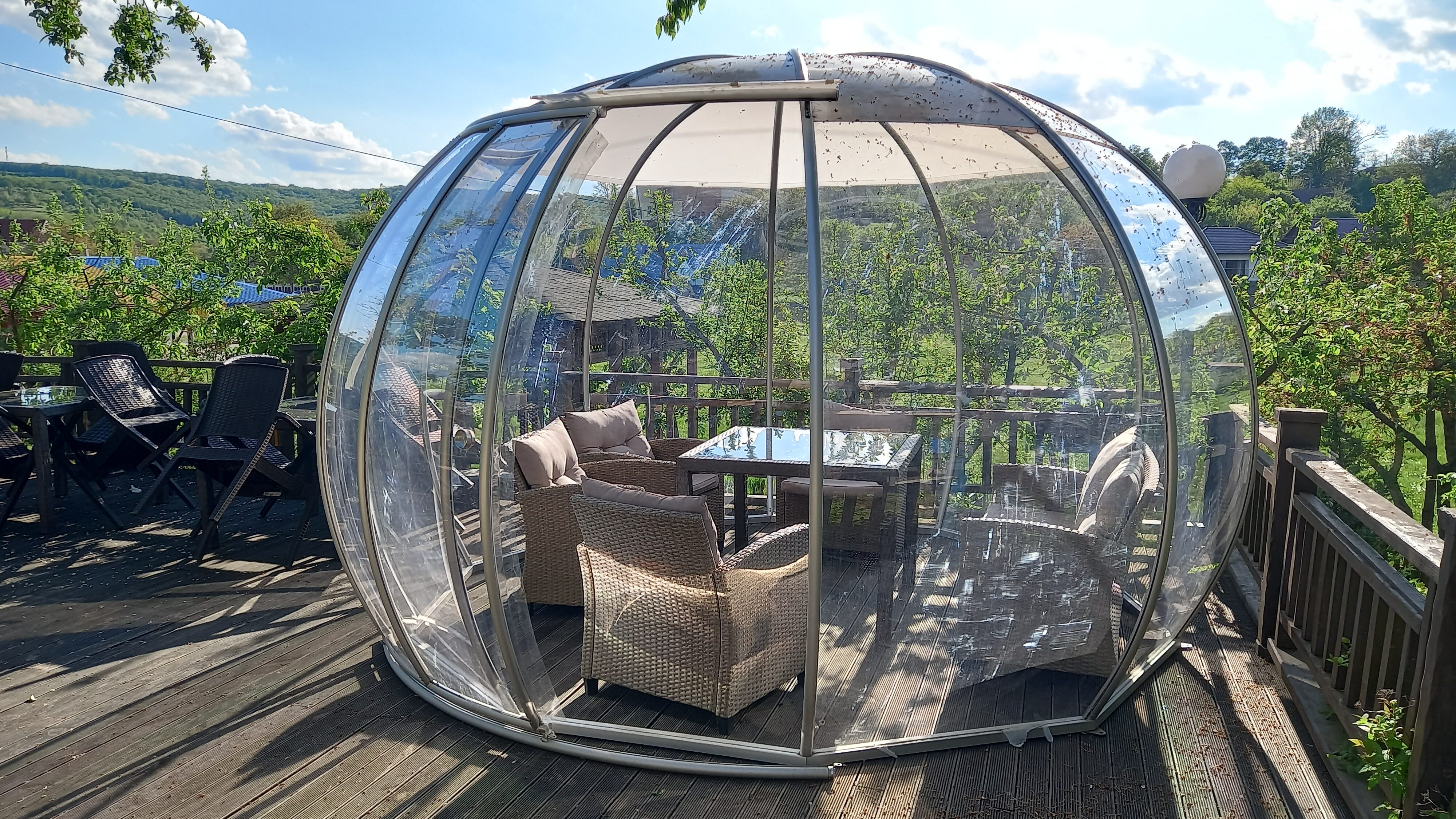
Monday evening was much quieter. With the restaurant closed for dining, we settled into one of the garden’s igloos as it was a warm, sunny evening and enjoyed a peaceful night drinking yet more homemade wine. The grounds offer extensive outdoor seating, perfect for such balmy nights and we had the chance to chat to Caterina and hear about the building and development of Cuib and their other business, Fratelli RestoBar in the capital.
Cuib is not a place of luxury, it’s a place of heart. What made it special was the warmth of Ecaterina and her family, the outstanding homemade food and wine, and the chance to experience authentic Moldovan rural life. The cellar tour, the generosity, and the exceptional value for money made this one of the standout stays of our 17-night trip.