


The Museum of Communism or Musée du Communisme was not originally on our list of sights to see in Bucharest, and it did not appear in either our Rough Guide or Lonely Planet. However, it was recommended by a guide who had given us a brief introduction to the city and as we were keen to understand Romanian life under communism, 1947 and 1989, we decided to visit.
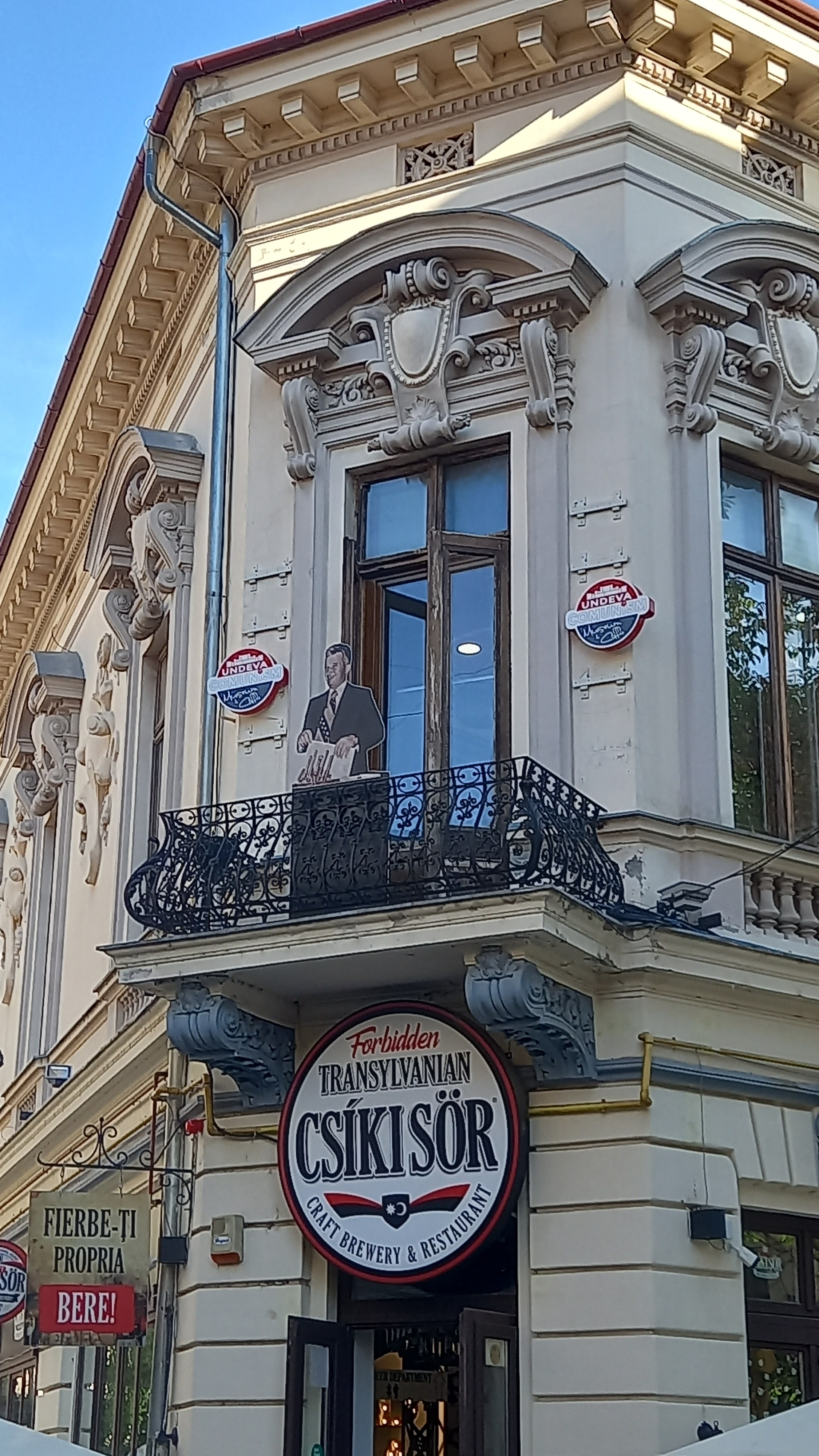
It was easy to find with a balcony above the entrance featuring a life size cardboard cutout of former president Nicolae Ceauşescu.
The entrance fee was 25 Lei each (£4.16) which included a pensioner’s discount.
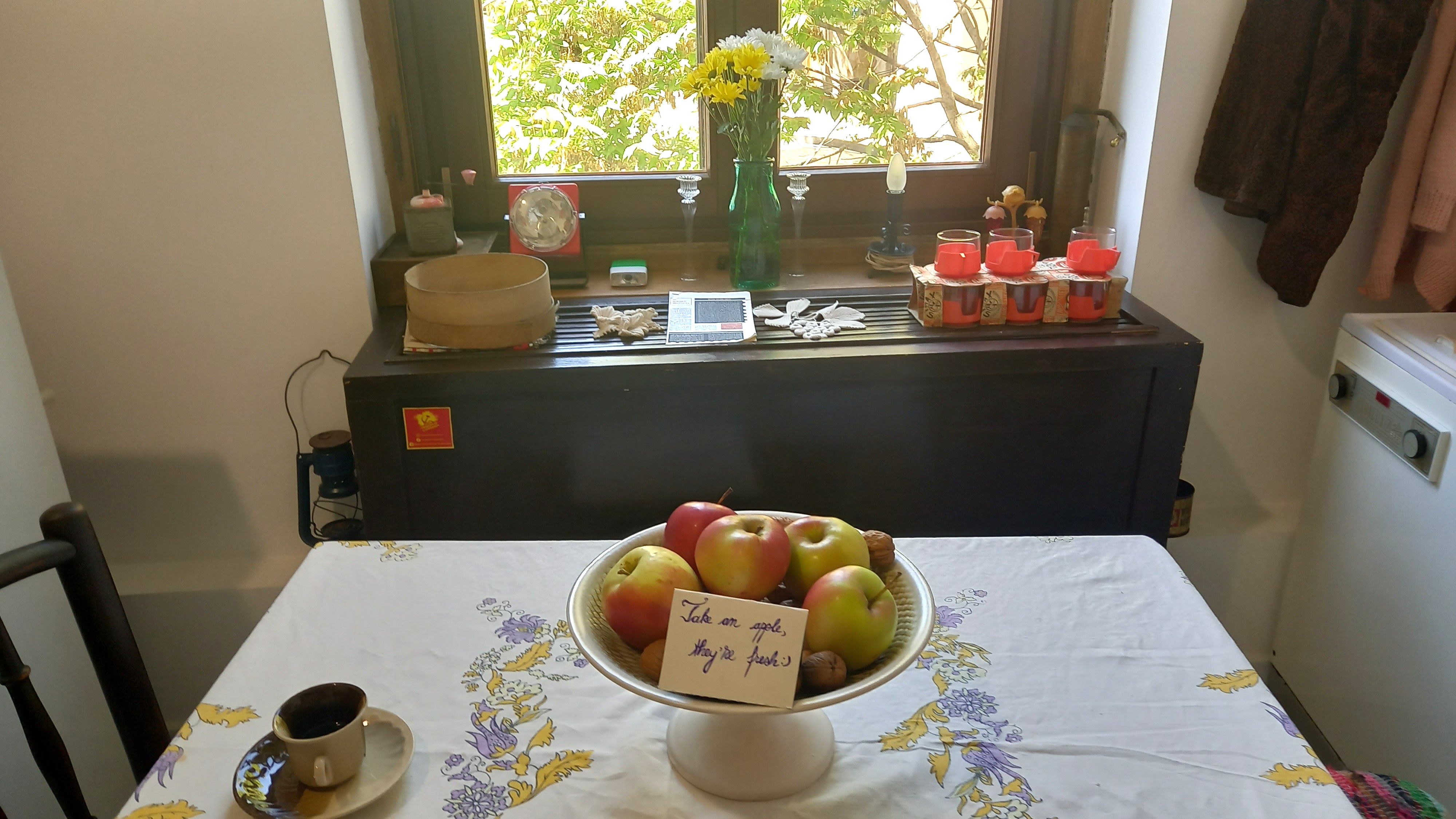
We found that the museum has only been open for two years, explaining its absence in the guidebooks. It was relatively small and located over two floors with photographs and explanations, in Romanian, English and Spanish, although some of them were very detailed and difficult to read. One date frequently referred to was 23 August which was not only my birthday, but the date the communist regime claimed as the country’s National Day, officially called the Liberation from Fascist Occupation Day. A communist style living room and kitchen was laid out as it would have been in the 70s and 80s and unlike in many museums we were encouraged to touch the exhibits.
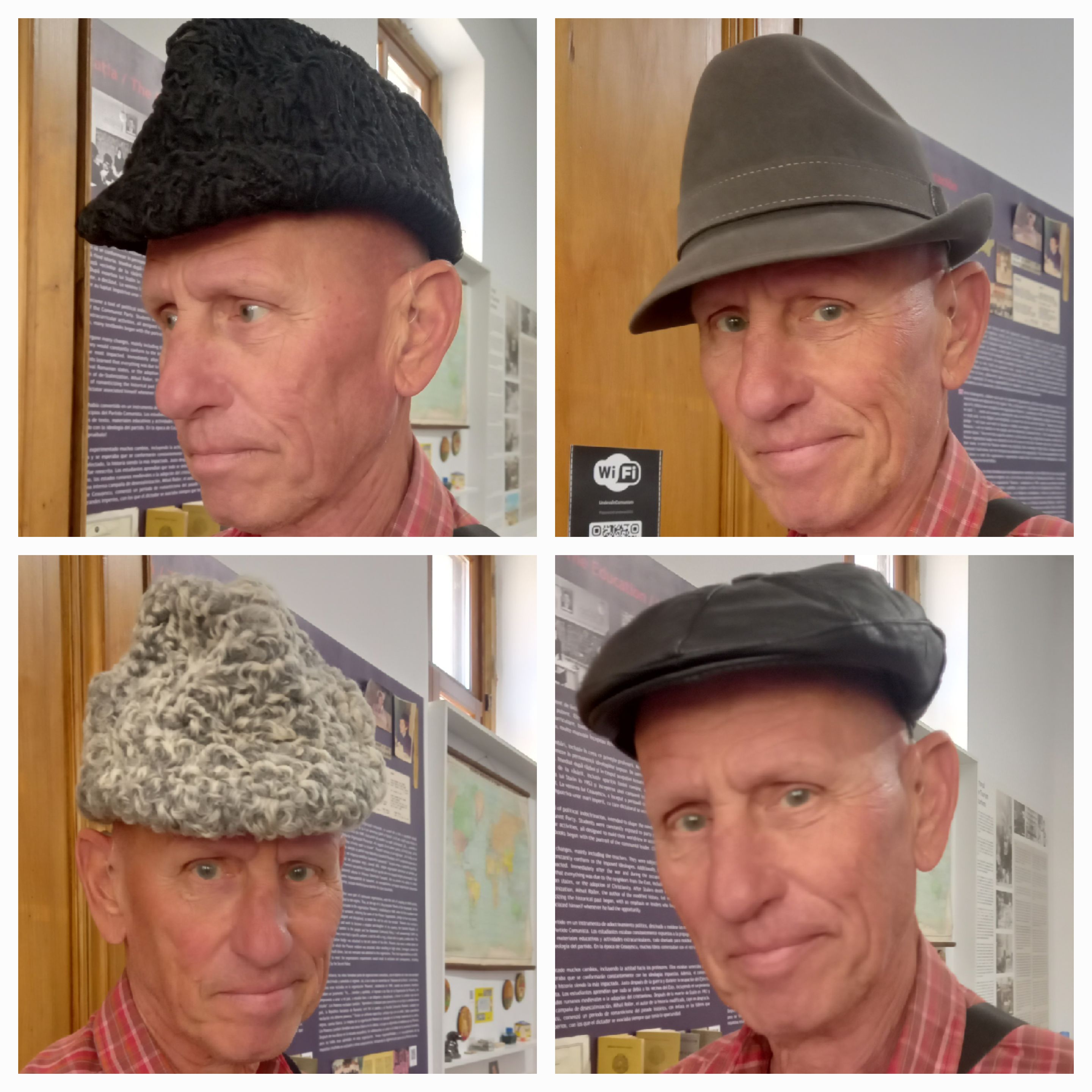
A stark black and white depiction showed the difference between the 1970s with well stocked supermarket shelves as the result of borrowed prosperity, and empty shelves and baskets in the 1980s, when due to mismanagement, food was rationed. Clothing and hats from the period were designed to be tried on, and my willing husband obliged for a photo shoot.
Finally, it told of the revolution in December 1989, which resulted in the overthrow of communism and the shooting of Nicolae and Elena Ceauşescu on Christmas Day after a hurried trial.
We declined the taste of Communist nechezol (a coffee substitute made of coffee and chicory) at the small museum coffee shop and headed for a non-Communist beer.