


Edineț is a town in the far north of Moldova, close to the borders with Romania and Ukraine. It is therefore an important regional crossroads for the surrounding agricultural communities and whilst not one of the country’s major tourist destinations, we spent a day sightseeing whilst on route back to the capital.
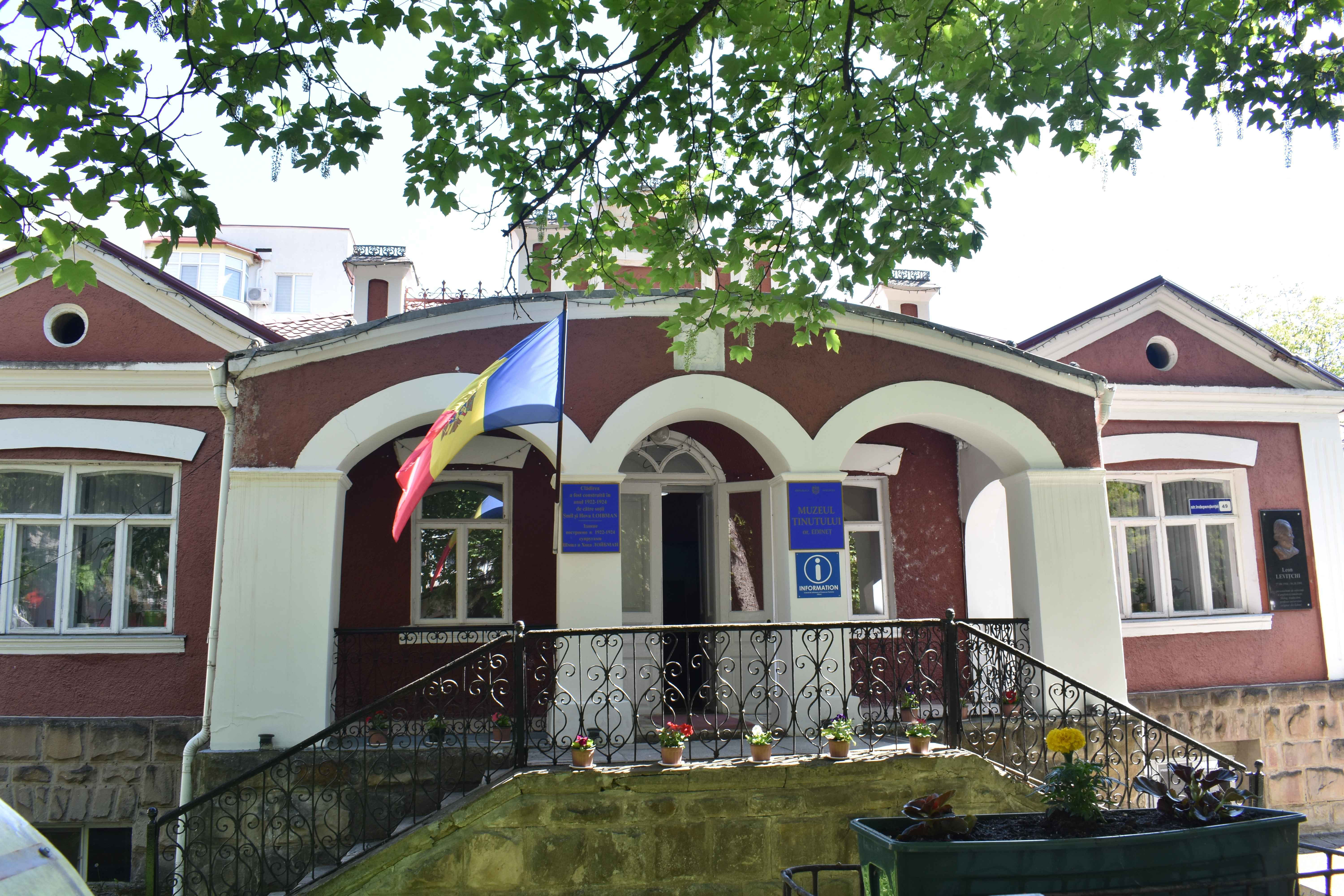
We began at the Edineț Museum of the Native Land, housed in two attractive interwar buildings in the town centre. The larger was an elegant mansion dating from 1922-24, which was donated to the town’s Jewish community for use as a hospital. It later served as military headquarters during the final months of World War II, and then as the district’s medical centre before opening as a museum in 1975.
The first exhibition explored the history of the Edineț region, with a particular focus on the three major waves of Stalinist deportations: 1941, targeted intellectuals and perceived political opponents; 1949 was aimed primarily at wealthier peasants and landowners during collectivisation; and in 1951, members of the Jehovah’s Witnesses religious community were forcibly exiled to Siberia. A moving collection of personal belongings, photographs and documents belonging to those affected brought the tragic events vividly to life.
The Casa Mare, the traditional reception room found in Moldovan homes, featured a temporary exhibition by Moldovan artist Gheorghe Oprea. Alongside the artwork, exhibits recounted another of Moldova’s darkest years: the devastating famine of 1946-1947. Caused by severe drought, but made catastrophically worse by Soviet grain requisitions, the famine claimed the lives of an estimated 10% of the population of the Moldavian SSR. Contemporary accounts described unimaginable suffering, with starvation driving some to desperate acts, including isolated cases of cannibalism.
A second exhibition hall was dedicated to the natural world, with displays featuring the wildlife, plants and geology of northern Moldova.
The second adjacent building offered a much brighter perspective on local culture. Beautiful handmade lace adorned one wall, including a particularly intricate example said to have been crafted by members of the area’s historic Jewish community. The galleries also displayed finely decorated Easter eggs, colourful traditional costumes, woven textiles, carved stonework, agricultural tools and an impressive dowry chest filled with household treasures that once accompanied a bride into marriage. It was good to see that the museum was continuing traditions by teaching lacemaking and embroidery to local children.
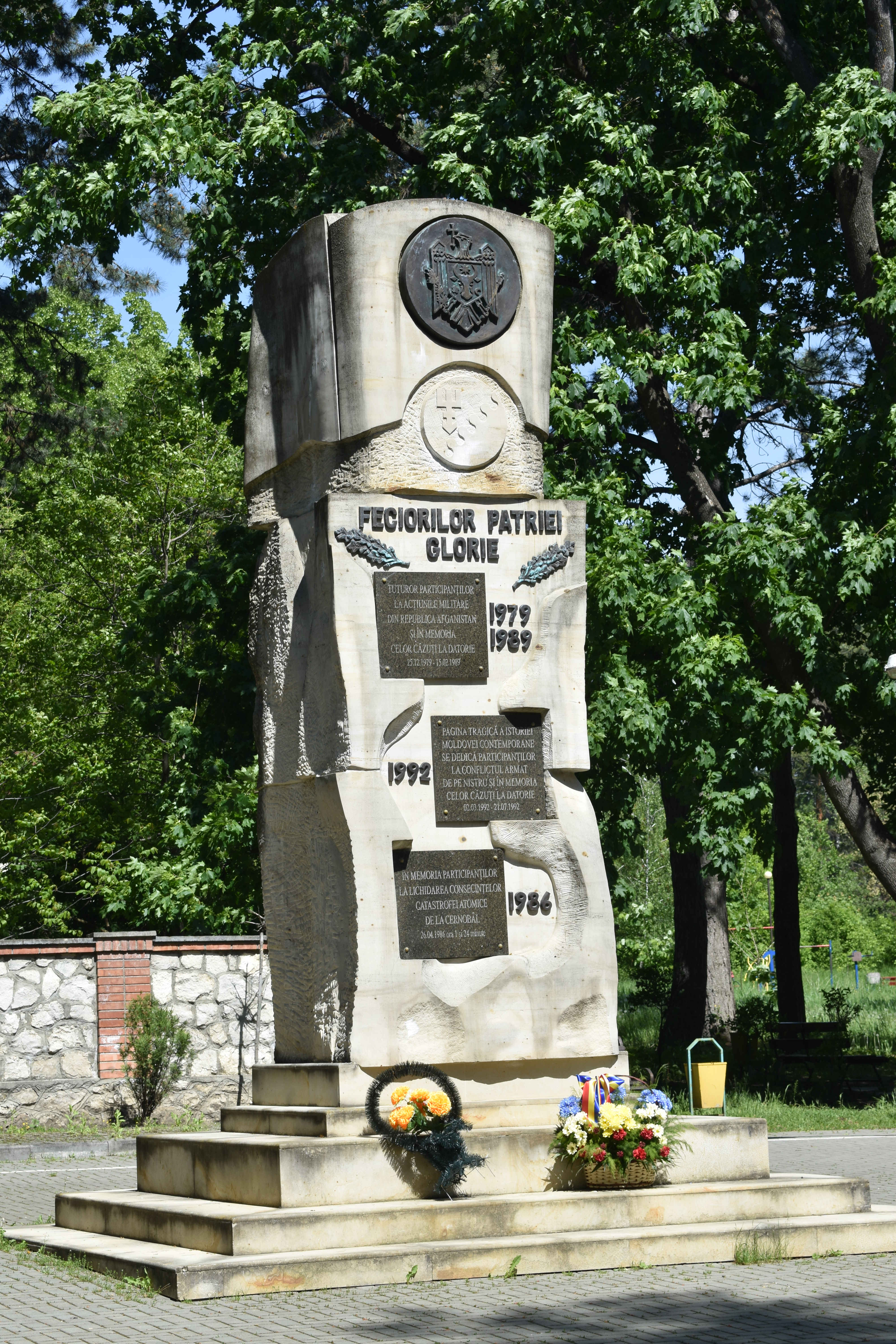
Visit over, we strolled through the Vasile Alecsandri Public Garden, widely regarded as one of Moldova’s most attractive urban parks. Entering through ornate wrought-iron gates, we passed a silver-coloured bust of Lenin, the Alley of the Classics honouring Romanian and Moldovan literary figures, and a memorial dedicated to those who lost their lives in the Soviet-Afghan War, the Chernobyl disaster and the Transnistria conflict.
A broad staircase led us up to a statue known as the Grieving Mother representing the mothers and wives left behind during World War II, with a wreath of wheat symbolising remembrance, sacrifice and the region’s agricultural heritage. Behind it, three large murals overlooked the graves of unknown soldiers.
Throughout the park were fountains, sculptures and decorative bridges spanning a series of three interconnected lakes. Although many improvements have benefited from European Union funding, parts of the park felt slightly neglected, with overgrown planting and silent fountains. Historic photographs showed the park at its peak, when it was compared to a miniature Versailles.
An island at the centre of the lakes was once known as Fairy Tale Island. However, in 2022, Edineț’s mayor invited architecture students to imagine its future, attracting forty design proposals. Following a public vote, the winning concept, Dream Island, shaped the island’s redevelopment.
Leaving the park, we passed Edineț City Hall, where two striking examples of late Soviet-era mosaic art still decorate the building. One celebrates workers, farmers and collective endeavour, while the other uses symbolic images to represent education, progress and the future.
Lunch was served at Villa Bomond, an elegant hotel and wedding venue where we ate in a quiet restaurant overlooking the park. The meal began with a hearty, clear beef borscht, quite different from the creamy pink version we were more familiar with, which was accompanied by toast spread with cured pork fat (salo), a green chilli, wedge of red onion, sour cream and fresh bread rolls. The main course featured succulent pork kebabs served on a thin flatbread with salad, before a rich cheesecake finished the meal, complete with warm chocolate sauce poured over it at the table.
After such a filling lunch we were pleased to have an active afternoon. A 30-minute drive took us to the La Castel Landscape Reserve where a gentle hike through one of northern Moldova’s scenic natural areas helped to burn off a few calories.