
Lincolnshire is referred to as Bomber Country as its vast, flat landscape became home to over 46 military airfields, during world war 2. Some are still active strike and surveillance, and quite a few have been developed as heritage centres.
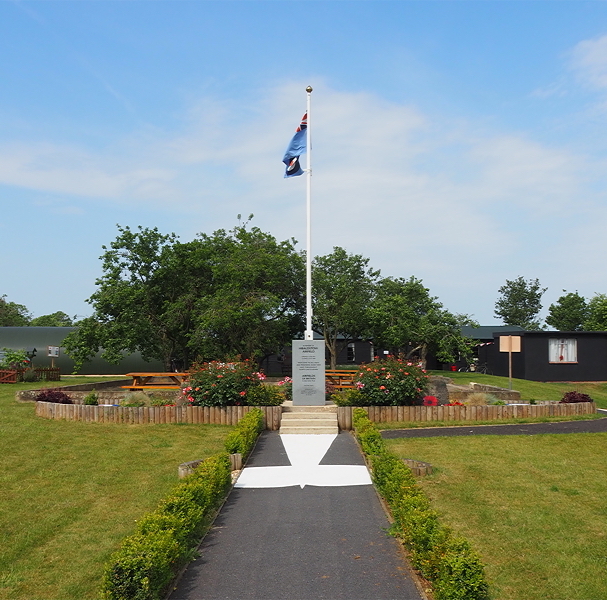
However there was no heritage centre in North Lincolnshire until a group of volunteers began work at Hibbaldstow airfield in 2019. The centre acts as a permanent memorial and museum to the memory of those men and women of all nations who served in North Lincolnshire. The flags of the different countries proudly fly outside the centre.
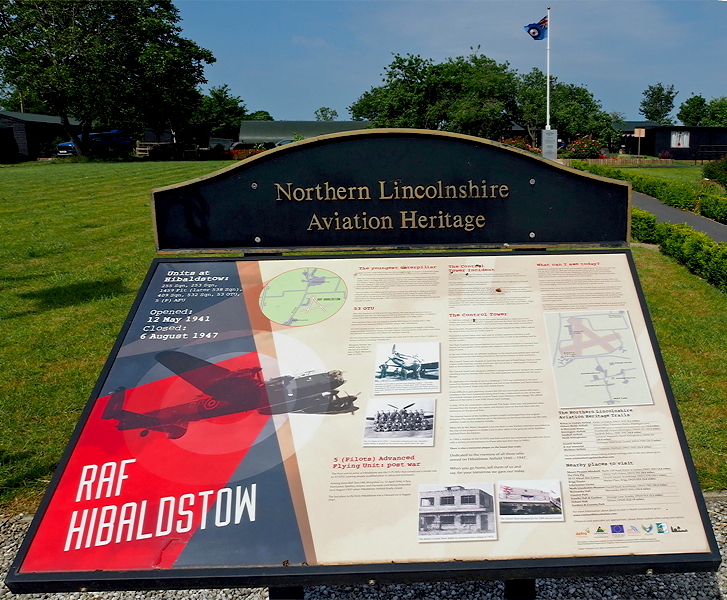
Hibbaldstow Airfield was one of the first wartime airfields to be built in the North of Lincolnshire and was a satellite for the larger airfield at Kirton Lindsey. It was originally intended to be used by Bomber Command with three intersecting tarmac runways.
The runways couldn’t be extended so it was then used by fighter command. These normally flew off grass runways making Hibbaldstow almost unique amongst fighter airfields. It was the home of the Defiant night fighters and Beaufighters. It was also where the experimental ’Turbinlite’ aircraft were trialled. These used airborne searchlights and radar to illuminate enemy bombwrs so the accompanying Hurricane fighters could intercept them.
A detailed history of the airfield and aircraft using it can be found on their website.
https://nlahcentre.com/history-of-raf-hibaldstow-airfield/
The station closed in 1947 and was sold off in 1960-61 for use as agricultural land. It was used for Sunday markets, and also as a skid-pan by Lincolnshire Police. Part of it was used by a local parachute club and they are still operating as Skydive Hibbaldstow which is one of the UK’s leading civilian skydiving drop zones. The control tower was converted to a two-storey house in 1976.
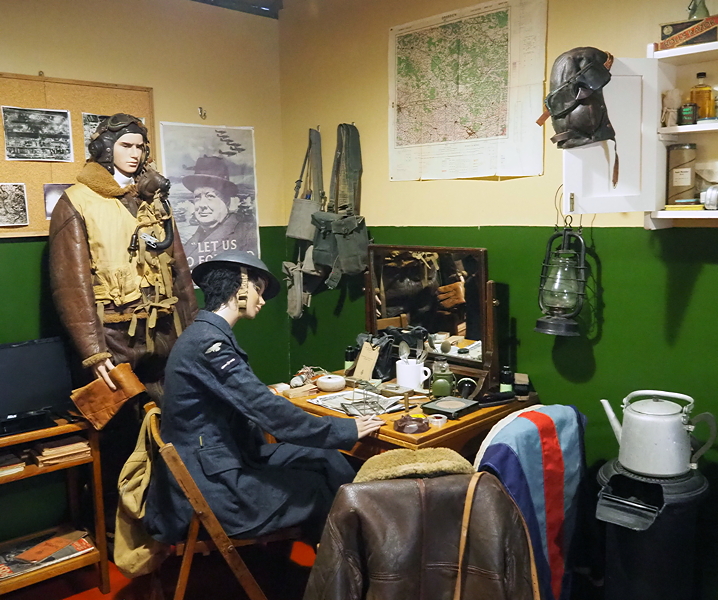
When they began work on the site it was overrun by brambles and elder. As they cleared the ground they uncovered the concrete bases of many of the original ww2 buildings. They acquired two Nissan huts and original WW2 wooden huts which they have reassembled on the site. These now house an amazing collection of exhibits as well as an extensive research library. There are so many highlights from the Link trainer to a gas mask for a baby and the pyrotechnic flare canisters used to mark runways.
The underground Battle Headquarters and adjacent observtion tower have carefully been restored. Every air base had one for use in emergency and when under attack. They would have been covered with oil and earth to camouflage them from above. Few still survive.
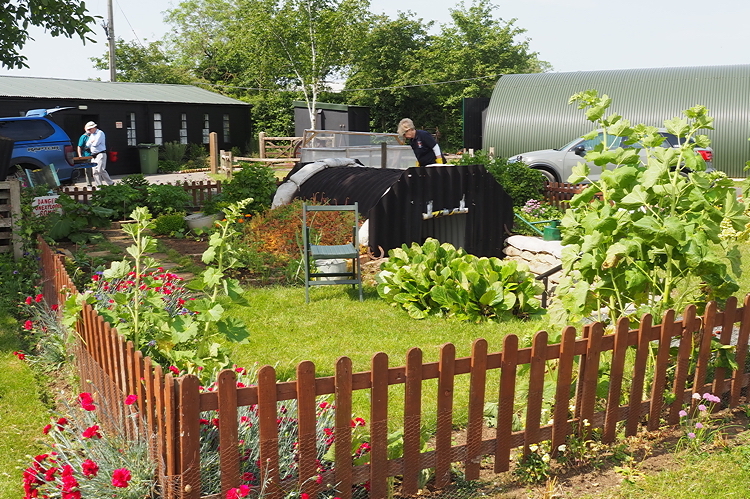
Parts of a wartime Anderson shelter were discovered on the site acting as a tractor shed. This has been restored and is now part of the Dig for Victory Garden. Inside one of the huts is a reconstructed scullery and living room (bringing back memories of grandparents’ houses…)
The electrical substation survived and is now the NAAFI. The bacon butties and chocolate fudge cake come highly recommended.
I didn’t know about the centre until I heard a talk a couple of years ago given by one of the volunteers. It really is a secret waiting to be discovered. The term ‘hidden gem’ is often overused, but this really is an excellent example of one. It deserves wider recognition and well repays visiting.
Volunteers on site are excellent – friendly and knowledgeable and keen to share information. Allow plenty of time to talk to the volunteers and listen to all their stories – this place is all about stories and memories.
The site is signed off Redbourne Road between Hibaldstow and Redbourne. Make sure you avoid the turnings for the airfield and Skydive. The post code is DN20 9NN
It is open Sundays and Thursdays during the summer months from 10-2. They also have special open days geared at all the family. Entry is free so please leave a generous donation to support their work!
website:
nlahc@outlook.com