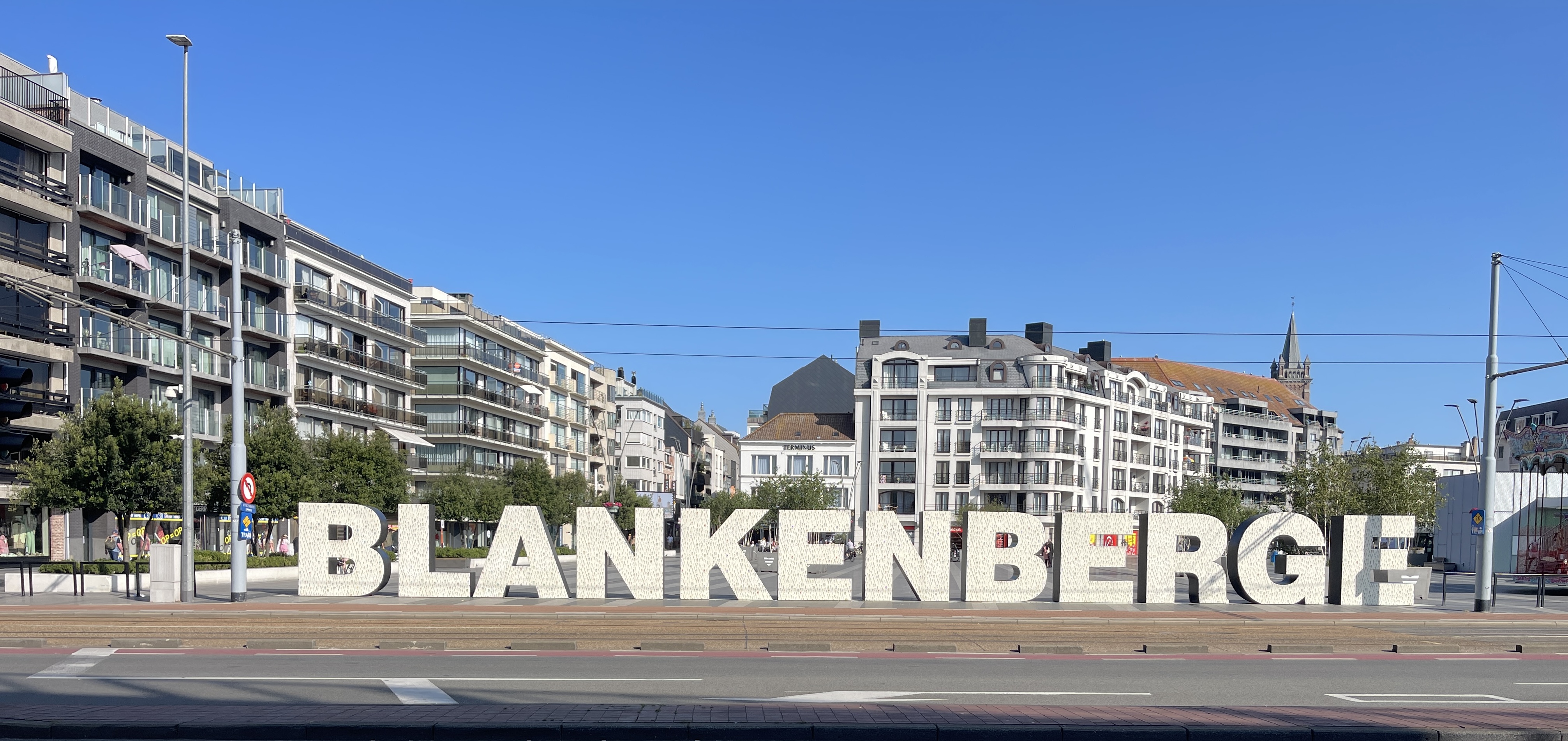
Belgium may be small in size, but it punches well above its weight when it comes to charming getaways. On a recent short break, I visited the seaside resort of Blankenberge, brimming with laid-back charm, and used it as a springboard to explore the medieval splendour of nearby Bruges. It’s the perfect pairing: sea air and sand dunes one day, cobbled lanes and canals the next.
Coastal Calm in Blankenberge
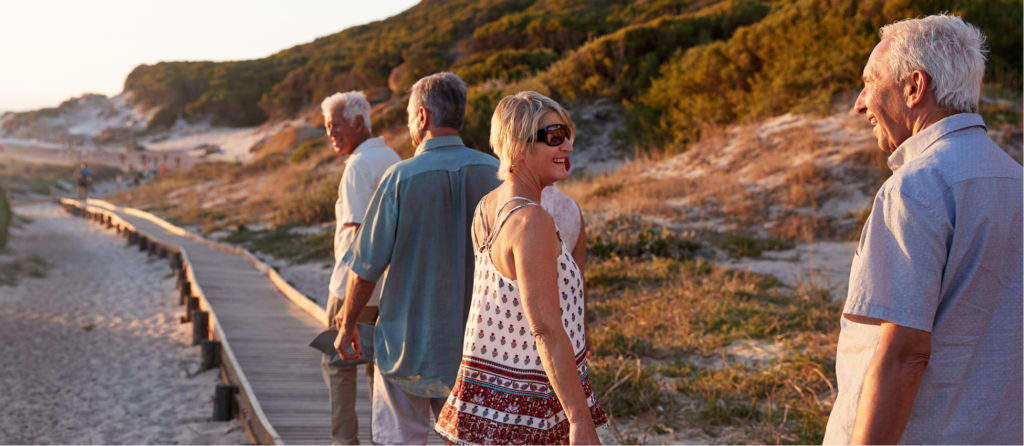
Tucked along the North Sea coast, Blankenberge is just a short train ride from bustling Bruges, yet it offers a completely different pace of life. Once a Victorian seaside retreat, it still retains a certain old-world charm, blended with modern Belgian cool. The town’s wide sandy beach is the main draw, ideal for breezy walks, with colourful beach huts and the iconic pier stretching out into the sea like a scene from a vintage postcard.
The promenade is lined with cafés and seafood restaurants serving up the day’s catch—mussels, shrimp croquettes, and of course, the famous Belgian frites. It’s easy to lose track of time people-watching over a local beer or creamy hot chocolate. I stayed at the stylish Hotel Mercure, just a short walk from the beach and right next to the railway station and large car park, making it an ideal base.
Away from the shore, Blankenberge has a lively marina and an excellent Sea Life Centre that’s perfect if you’re travelling with children and there’s plenty of shops to explore in the main street.
A Day Trip to Bruges
One of the best things about staying in Blankenberge is how easy it is to reach Bruges, just 15 minutes away by train. The short journey transports you from coast to cobblestones, and I arrived at the station eager to visit one of Europe’s most picturesque cities.
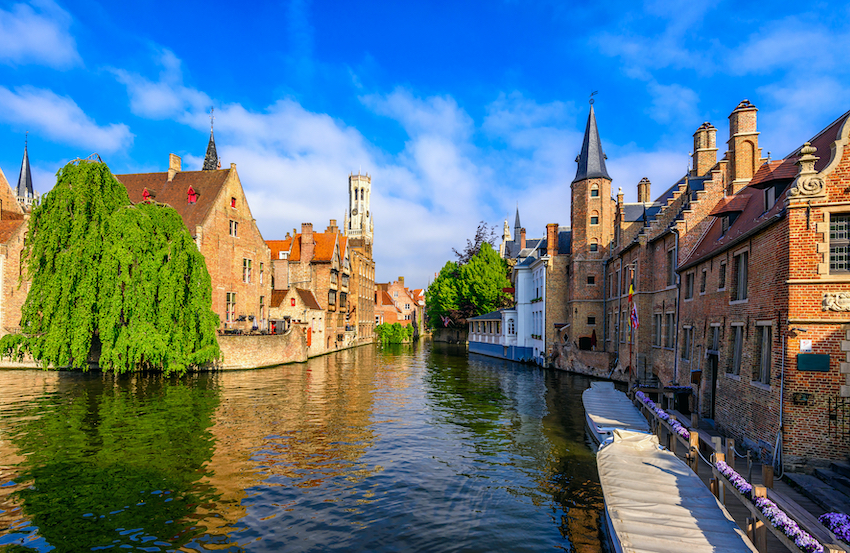
Bruges is as postcard-perfect as you’d imagine, with its winding canals, medieval architecture and horse-drawn carriages clip-clopping over cobbled squares. But its beauty isn’t just skin deep, this is a city that rewards slow exploration.
I started my day in the Markt, the beating heart of Bruges, framed by colourful gabled houses and the towering Belfry. Climbing the 366 steps to the top is recommended, not just for the sweeping views over the city rooftops, but also to appreciate the intricate clockwork of the bell tower’s carillon. From there, I meandered through the quieter streets, stopping at the begijnhof (Beguinage), a serene, whitewashed courtyard still home to Benedictine nuns. Just a short stroll away is the Minnewater, or “Lake of Love,” where swans glide past weeping willows and lovers linger on benches. It’s impossibly romantic.
No visit to Bruges of course is complete without sampling its sweet treats. I indulged in freshly made waffles topped with strawberries and cream, followed by a visit to The Old Chocolate House, both shop and café, where the hot chocolate is served with theatrical flair and lashings of whipped cream.
Getting There
Reaching Blankenberge and Bruges is straightforward from the UK, with several travel options available. Eurostar trains from London St Pancras run to Brussels in just over two hours, with easy onward connections by Belgian Rail to Bruges and Blankenberge, total journey time is around four hours.
Alternatively, you can drive via Le Shuttle from Folkestone to Calais, then it’s around an hour and a half to Bruges and just 20 minutes more to Blankenberge. Ferry travellers can also sail from Dover to Calais or Dunkirk, making it an ideal choice if you prefer to bring your own car and explore the coast at your leisure.
A Perfect Belgian Break
Blankenberge and Bruges may be just a few miles apart, but they offer two distinct slices of Belgium. One gives you sea breezes and coastal charm; the other, spires, lace and storybook scenery. Together, they make for an ideal short break, easy to reach, easy to explore, and utterly enchanting.