


The city of Soroca, in northern Moldova, was one of the most fascinating stops on our tour combining medieval history, spectacular views, and an insight into Roma culture.
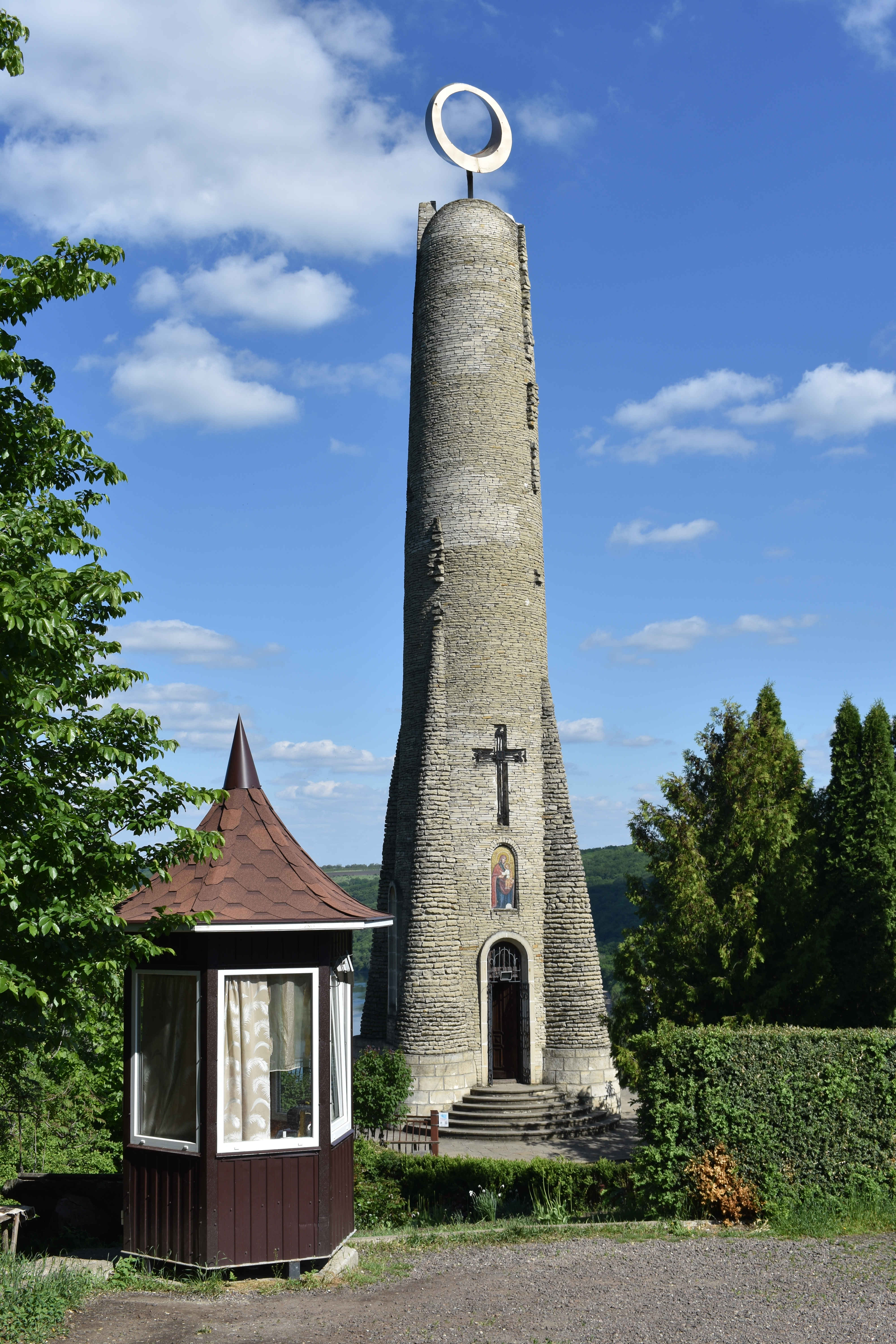
We began at the 30m tall monument, The Candle of Gratitude, and were fortunate enough to drive to it, as those starting in the town below, face a climb of 600 steps. The monument was conceived by the Moldovan writer Ion Druță as a tribute to the generations of unnamed people who preserved the country’s language, culture and identity through centuries of foreign domination. Unveiled in 2004, the monument provided fabulous views of the surrounding countryside and the Dniester River which separates Moldova from Ukraine, making the climb worthwhile for those tackling it on foot.
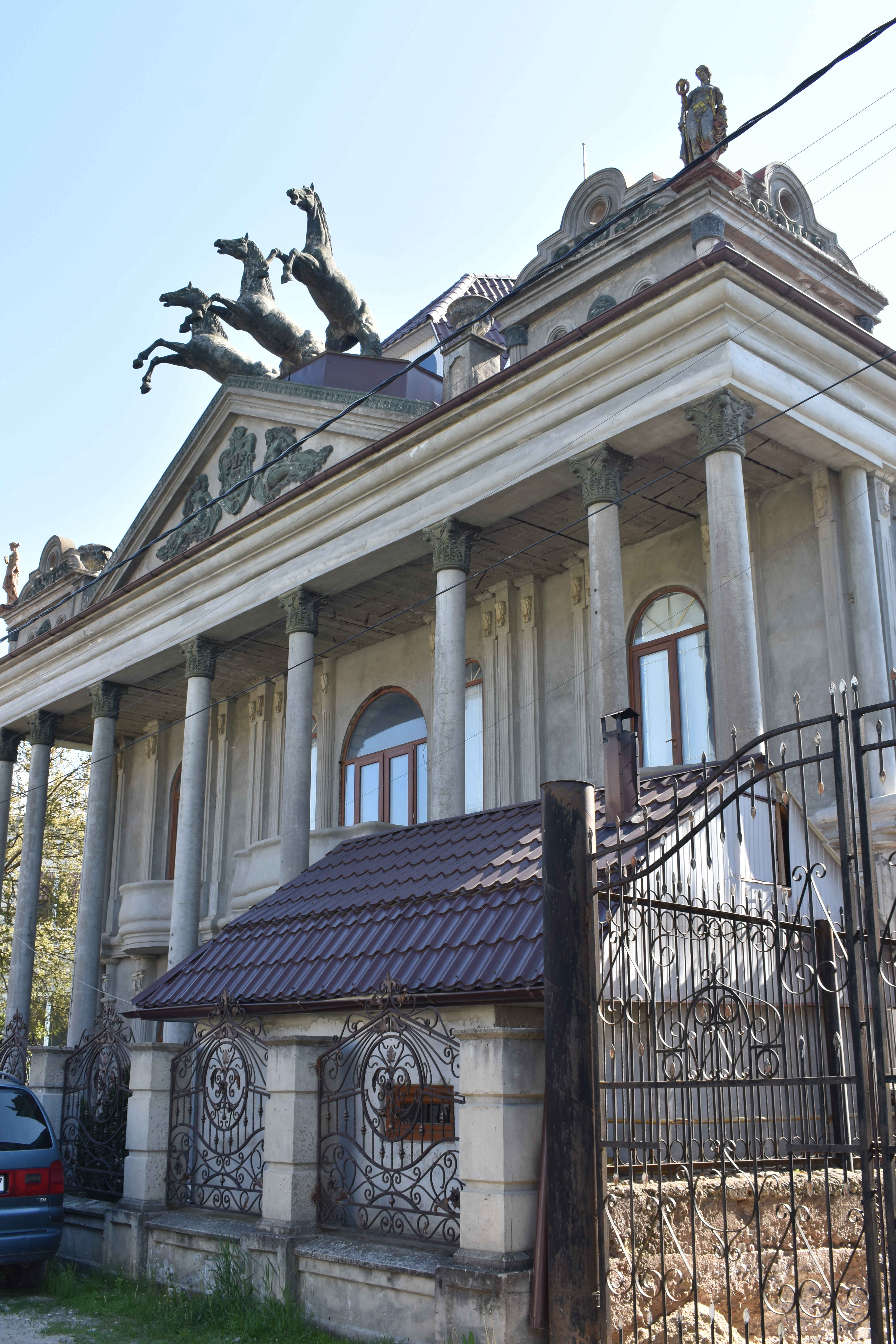
Soroca has one of Moldova’s largest and most prosperous Roma communities. The district surrounding what is known as Roma Hill was full of enormous mansions, with many of them unfinished, partly because they are built over several years and because unfinished houses can reduce tax liabilities. Some were vast enough to resemble palaces rather than homes, with one echoing the design of Moscow’s Bolshoi Theatre, with three horses on its roof, whilst others incorporated features inspired by St Peter’s Basilica and the United States Capitol. Our guide pointed out the lavish home of Artur Cerari, the Roma Baron, behind elaborate wrought-iron gates where an ageing black limousine was visible. The elaborate rooftops and decorative metalwork reflected the long tradition of metalworking practised by many Roma who originated in northern India over a thousand years ago.
The nearby Roma cemetery was unlike any other we had seen. Many family graves included benches and tables where relatives gather during Paștele Blajinilor, or Easter of the Gentle Souls, to share food and remember loved ones. The monuments ranged from modest headstones to elaborate marble memorials featuring engraved portraits of the deceased. One grave belonged to a man with the first name of Gagarin, and having seen his date of birth, he was almost certainly named after Yuri Gagarin, whose pioneering spaceflight in April 1961 inspired countless children across the Soviet Union to be named after him. We also heard colourful local stories about the mausoleum of the former Roma Baron, Mircea Cerari, who is said to have been buried with a mobile phone, computer and even a minibar to enjoy in the next world. Several memorials commemorated people who had died tragically young, a reminder that behind the extravagant monuments lay family tragedies.
Soroca’s other great attraction was its magnificent medieval fortress. Standing on the banks of the Dniester River, Soroca Fortress formed part of an extensive chain of fortifications that once defended the Principality of Moldavia against invasion. Decades of neglect during the Soviet period had left the fortress in poor condition, but an ambitious restoration programme, largely funded by the European Union, transformed it between 2013 and 2023. Built from pale local limestone, the fortress had an elegant symmetry, with four perfectly round towers and a distinctive square tower guarding the entrance. A modern lift, discreetly installed during the restoration, carried us to the upper levels, allowing us to explore the battlements and enjoy excellent views of neighbouring Ukraine.
Soroca proved to be one of Moldova’s most memorable destinations. In the space of a single morning, we encountered national symbolism, medieval history and one of the country’s most distinctive cultural communities.