
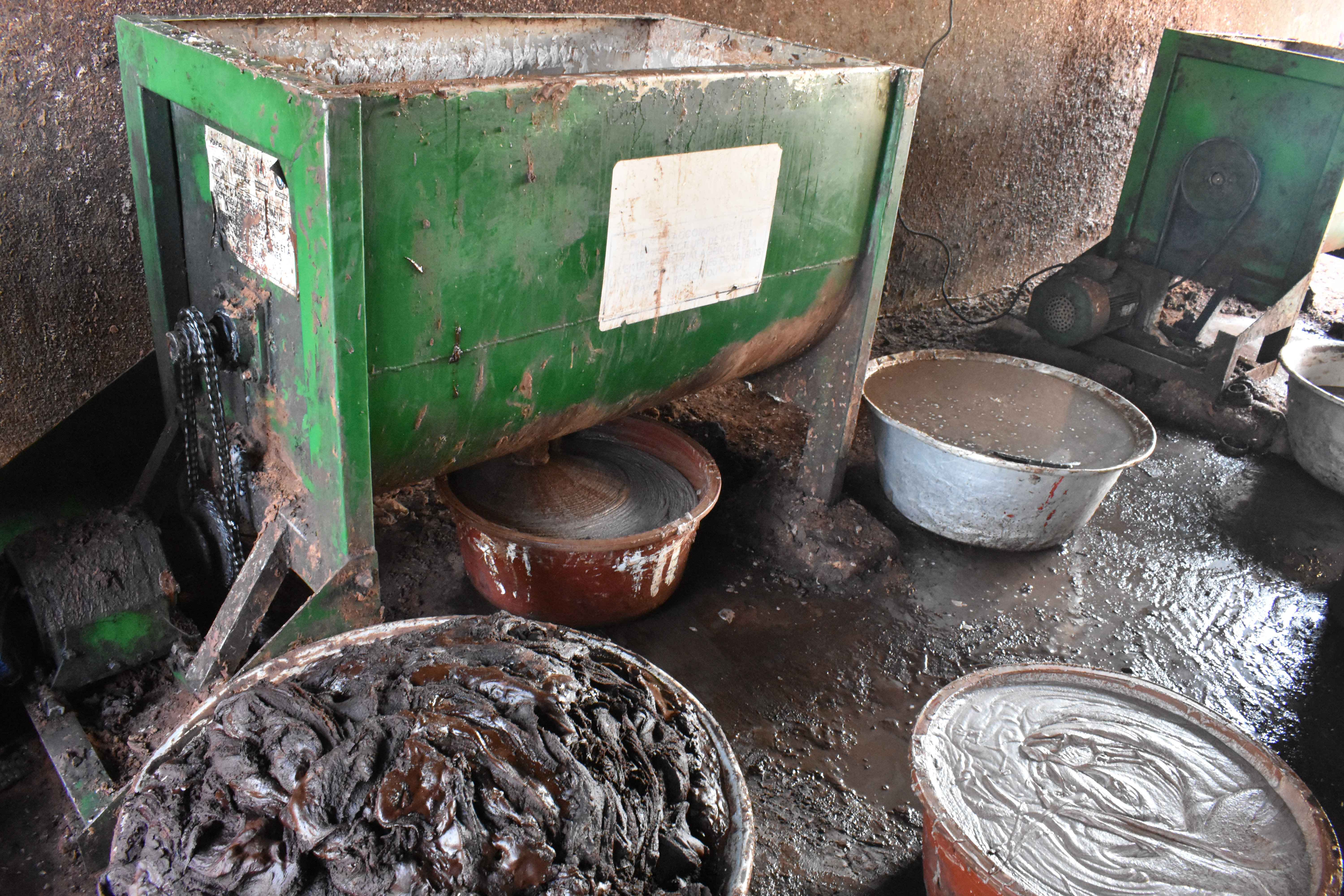
Northern Côte d’Ivoire is renowned for its shea-butter production, and as we travelled through small, remote villages, we had often seen shea kernels spread out on the ground to dry. Towards the end of our tour, we finally had the chance to see how shea butter, or beurre de karité, is made.
We expected a small-scale family operation, but in the town of Korhogo we found something much more substantial: a large open-air workshop belonging to the Tchérégnimin cooperative. The name means ‘good health’ in the local Sénoufo language. Shea-butter production is traditionally dominated by women and is sometimes known as ‘women’s gold’, reflecting its importance as a source of income and livelihoods.
We met the manageress, who told us that the cooperative employs more than 50 women. It has also received financial support from several United Nations organisations and other international partners. This has enabled it to acquire some machinery and increase production, although much of the work remains remarkably labour-intensive.
There is an environmental dimension too. In 2019, two 20-cubic-metre biodigesters were installed, allowing waste from the shea-butter process to be converted into biogas.
We were introduced to the manageress’s daughter, who took us around the various stages of production, with our guide interpreting along the way.
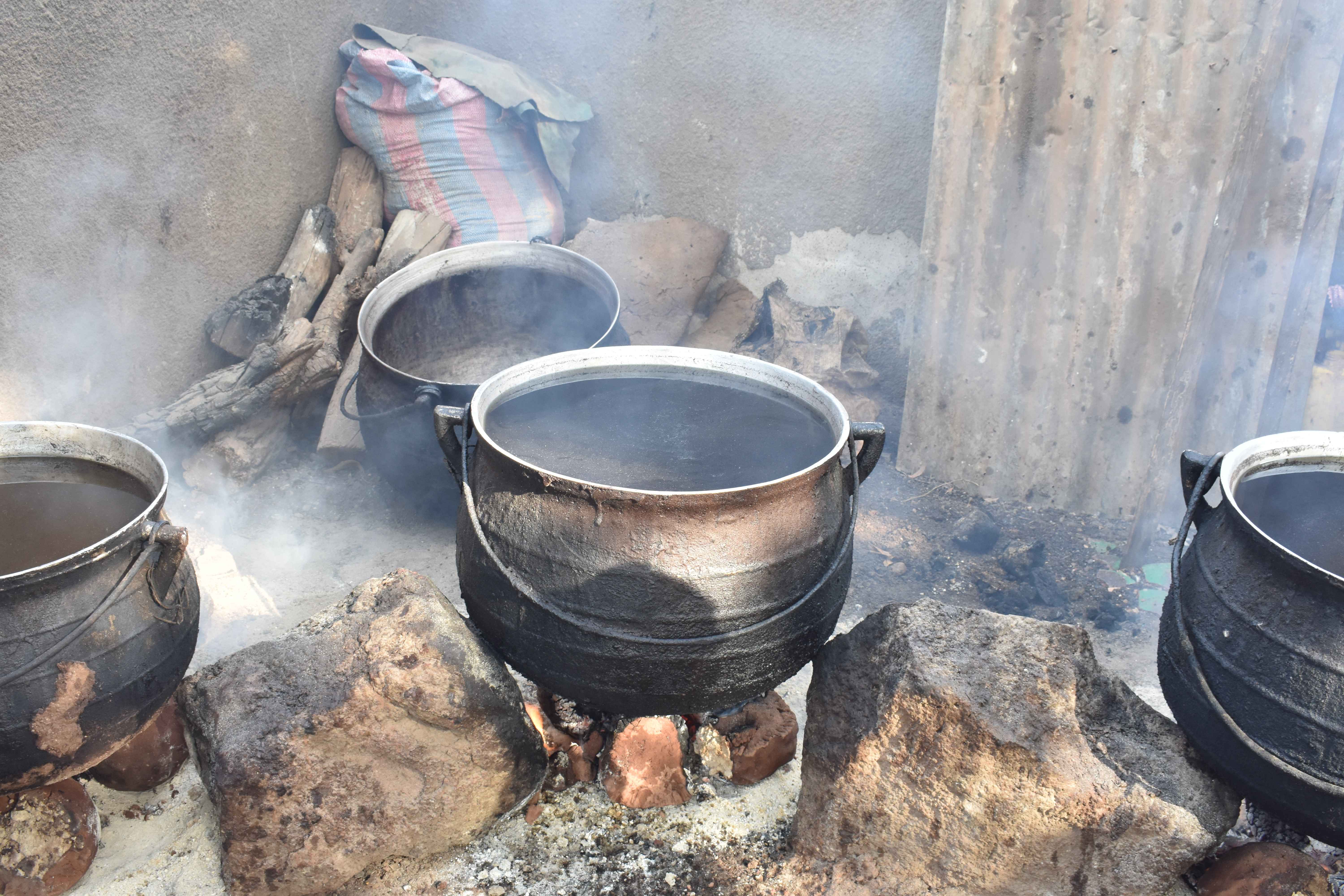
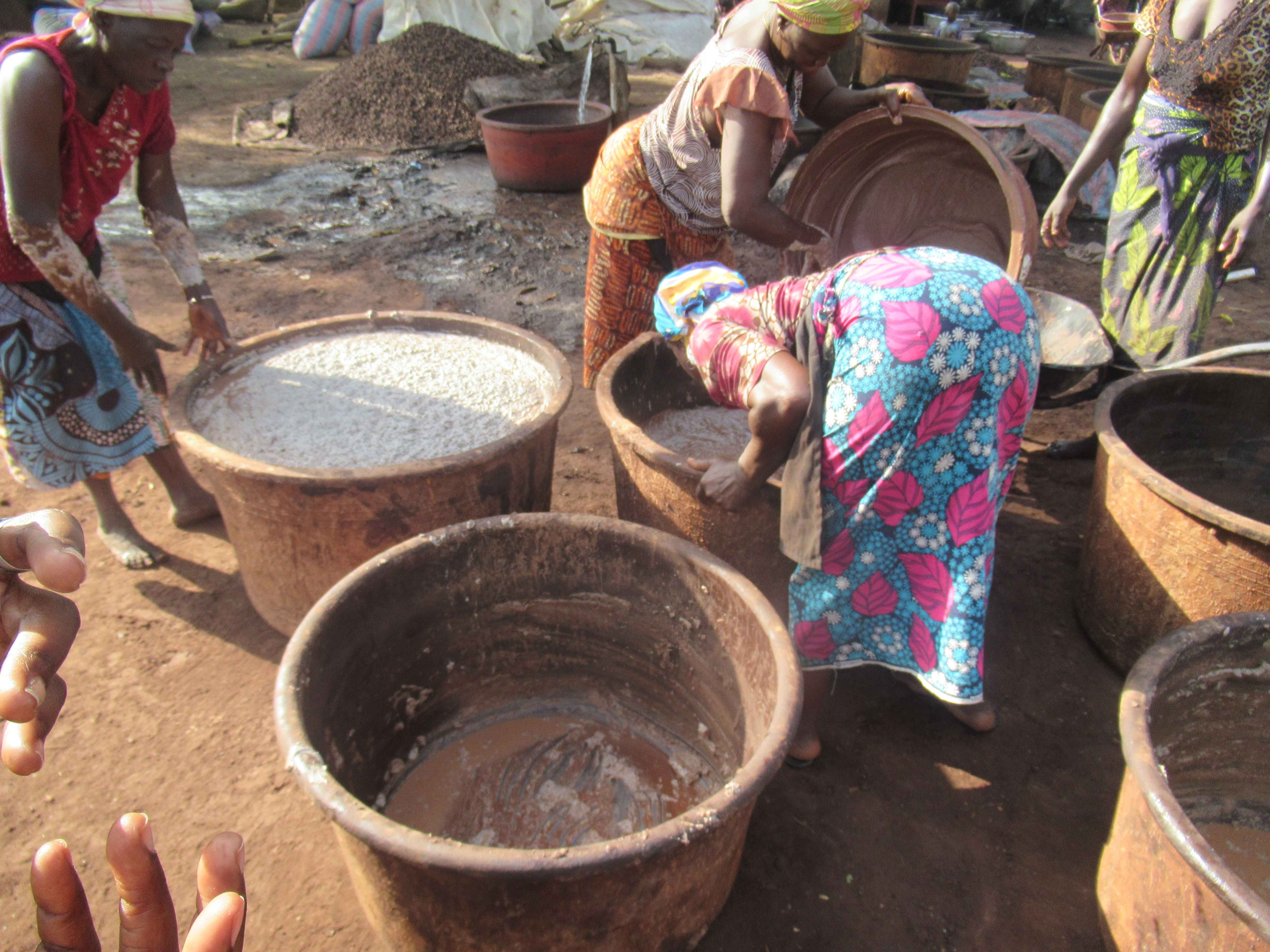
The process begins with enormous piles of shea nuts. These are roasted to enhance their aroma and help release the oils, before the kernels are crushed and ground into a thick brown paste. This is then mixed by hand with water in huge vats – an astonishingly laborious and messy job. The mixture is boiled for up to 24 hours, allowing the shea oil to rise to the surface, where it is skimmed off. Ice is added to help the oil solidify before the crude butter is extracted and refined.
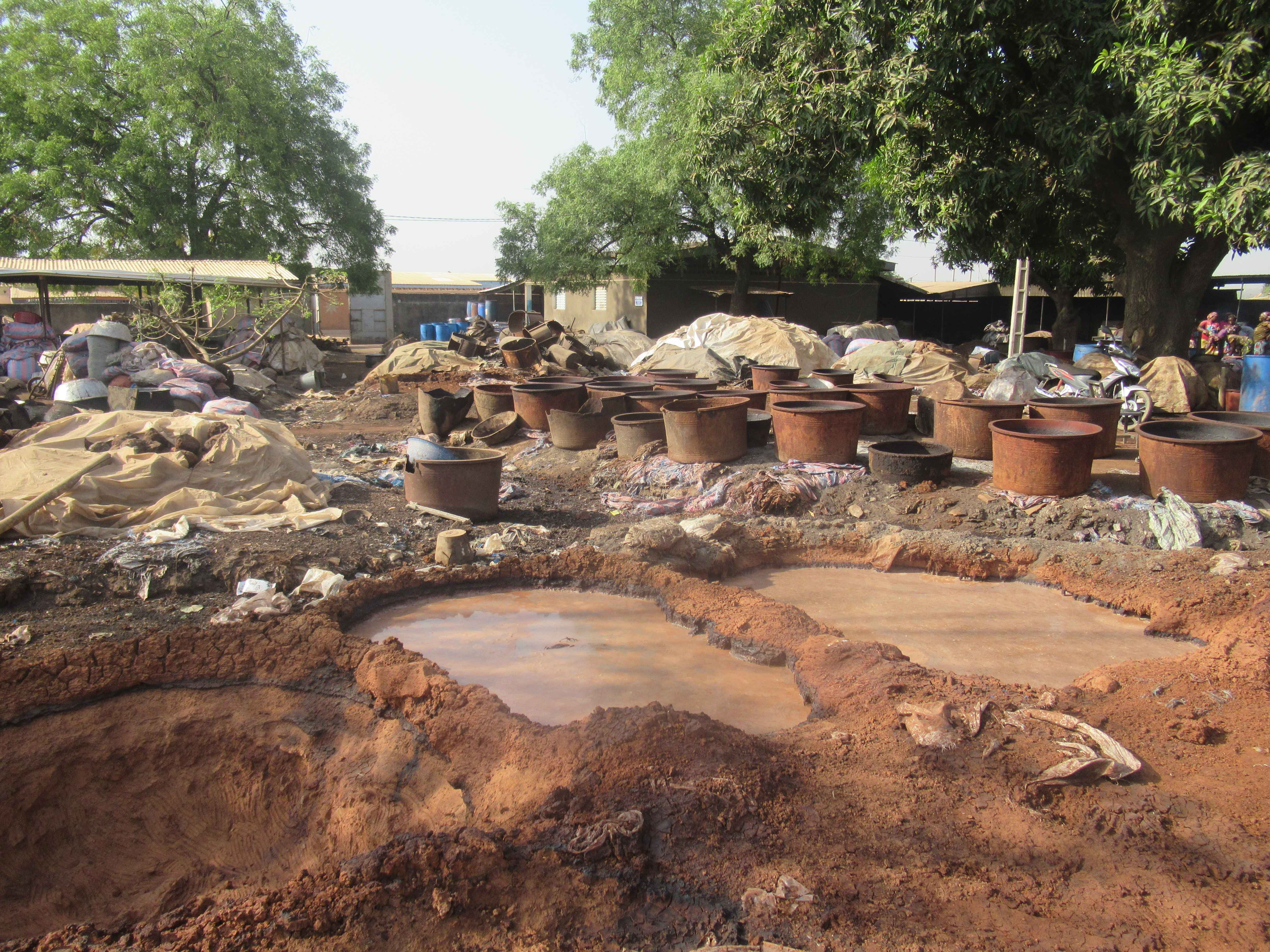
Nothing goes to waste. The remaining debris is placed in clay-lined pits and left to dry before being shaped by hand into rough, football-sized rounds. These are then used as an alternative to charcoal for cooking fires. From start to finish, the whole process can take between three and five days.
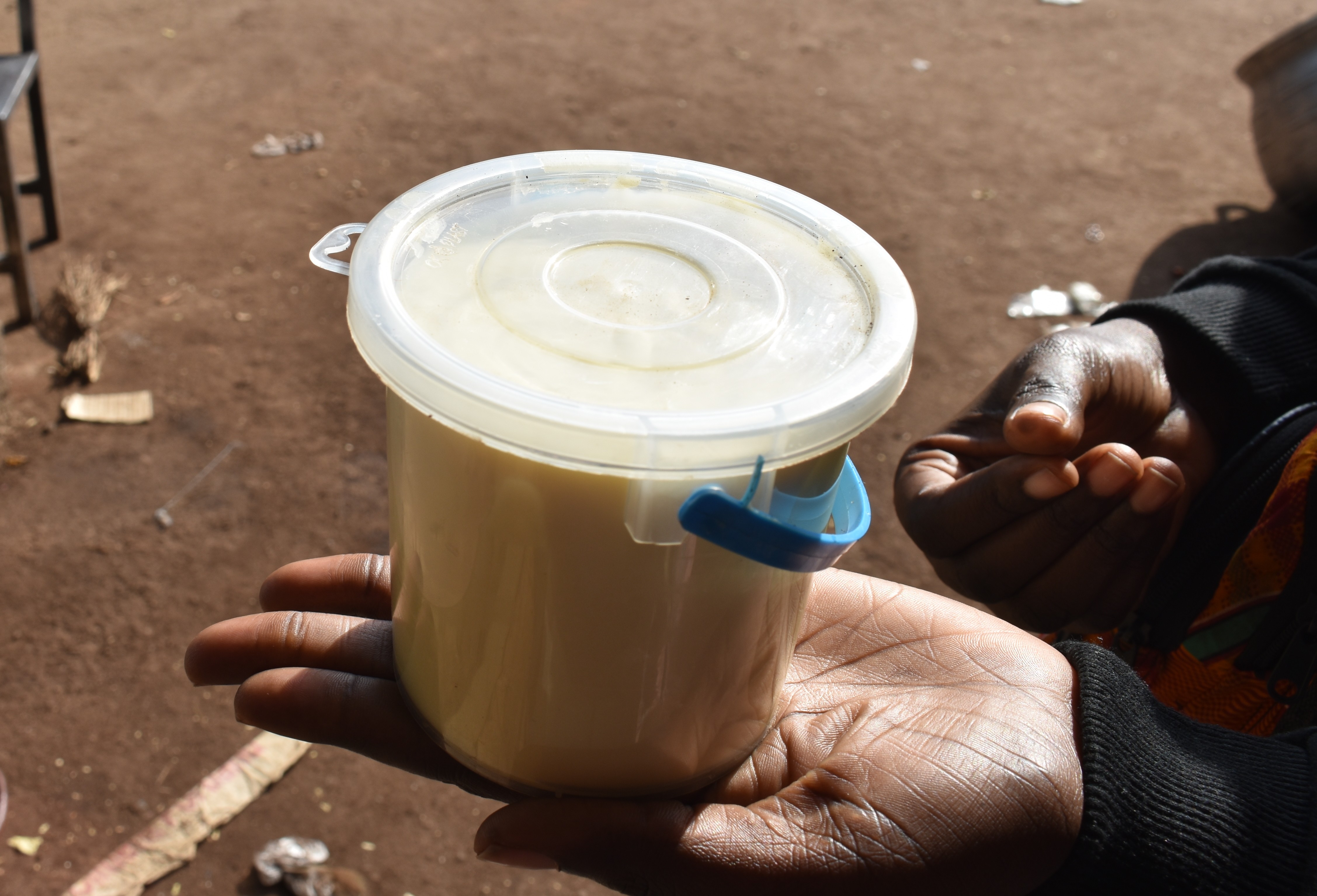
We had expected our visit to conclude, as so many do, in a little shop selling brightly packaged souvenirs. Instead, we were led into a shed containing huge quantities of shea butter, waiting to be transported to Abidjan for export. There was no gift shop and certainly no sales pitch – just a small dollop of butter for each of us to rub into our arms.
The experience gave us a real appreciation of just how physically demanding this work is. Yet it was also heartening to see a cooperative that was much more than a tourist attraction. Tchérégnimin provides its women with a sustainable source of income, helping to support not only them but their families too. And, after all that hard work, our little dollop of ‘women’s gold’ suddenly seemed rather precious.