The UNESCO-listed Curonian Spit is a 98 km-long peninsula separating the Curonian Lagoon from the Baltic Sea. At its widest it is 4km, but on average is around 2km wide. The northern part belongs to Lithuania, with the southern tip, belonging to Russia.
We visited on a day trip from Klaipėda, with the five-minute ferry crossing costing €23.50 per car for one way. There was then an ecological fee of either €5 or €30 depending on the season.
The Spit is noted for the highest, drifting sand dunes in Europe, which are constantly being reshaped by wind from the Baltic Sea. At our first stop we climbed 70+ wooden steps to the top of the dune. Here we admired views of the long, desolate beach whilst our guide told us the legend of Jūratė, the goddess of the sea and Kastytis, her mortal fisherman lover. Their relationship incurred the wrath of the Thunder God who struck their amber castle, resulting in amber fragments still being washed up on the beach.
Heron Hill was the home to a colony of black, fish-eating cormorants, who chased the herons away in the 19th century. At the top of a wooden viewing platform, information boards explained whether various statements were a fact or myth. My favourite fact was that when the cormorants spot an invader in their colony, they ‘shoot’ them with their liquid, acidic faeces and bomb them with regurgitated fish which generally scares them away. We also read that although the surrounding forest looked dead, it was crawling with insects, moss, mushrooms and plants which are ‘fed’ on the regurgitated fish.
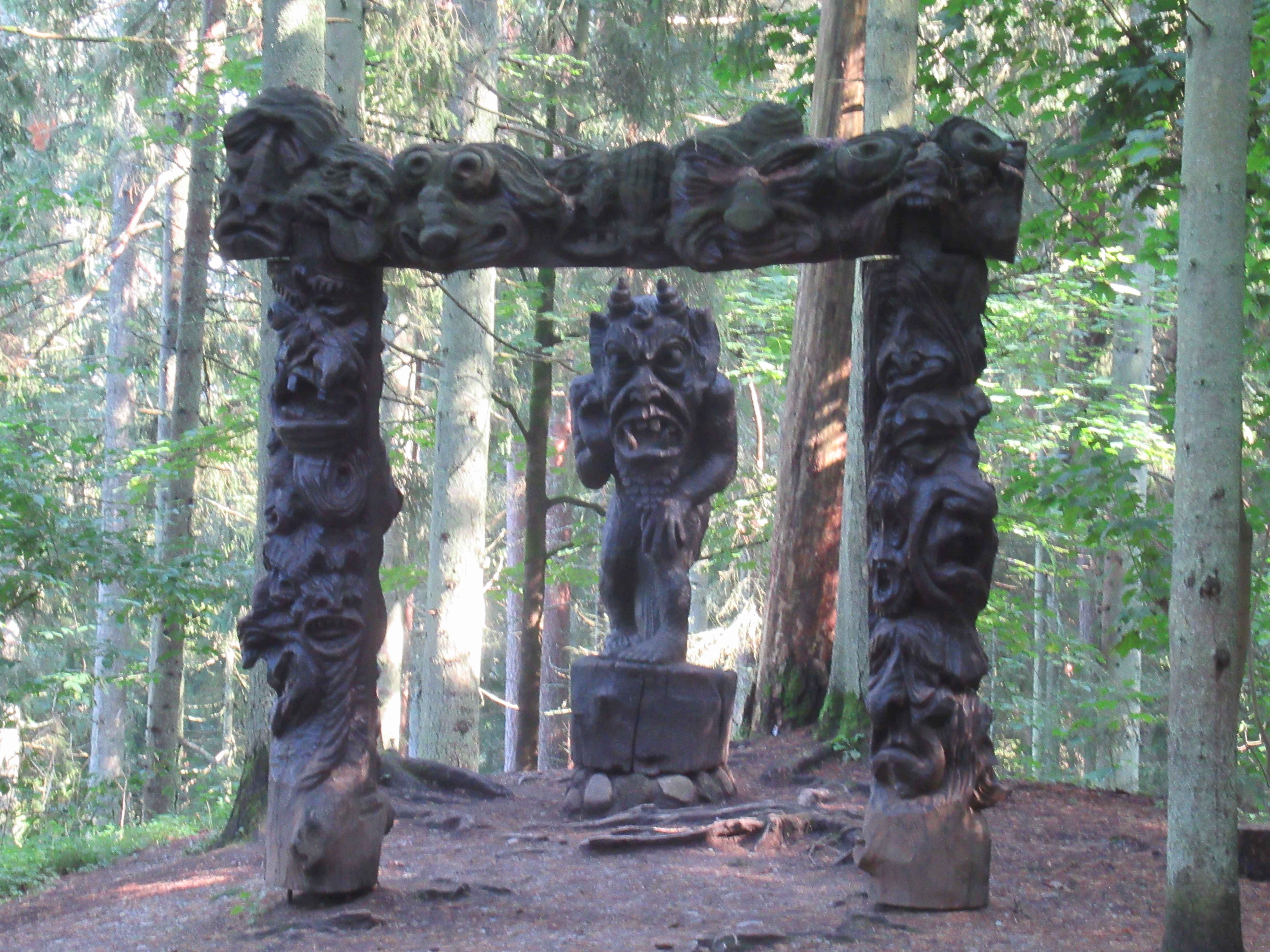
At our second hill, the Hill of Witches, a circular, open-air sculpture trail featured more than 80 hand-carved wooden sculptures, created by Lithuanian folk artists. All were carved from oak, pine, and linden wood, which are the trees surrounding the trail. As no information was provided, our guide regaled us with the legends and fairy tales which the sculptures were based on, which apparently in Lithuania, do not usually end up ‘happily ever after’. One sculpture of a devil was said to be 12lb lighter after a local man tested whether it was truly bewitched by chopping at it to see if it would bleed. This was said to have released an evil spirit which was now trapped in the wood, and on a windy night, you can hear the freed devil laughing. We enjoyed the 1.6km trail but had to tread carefully due to the volume of protruding tree roots.
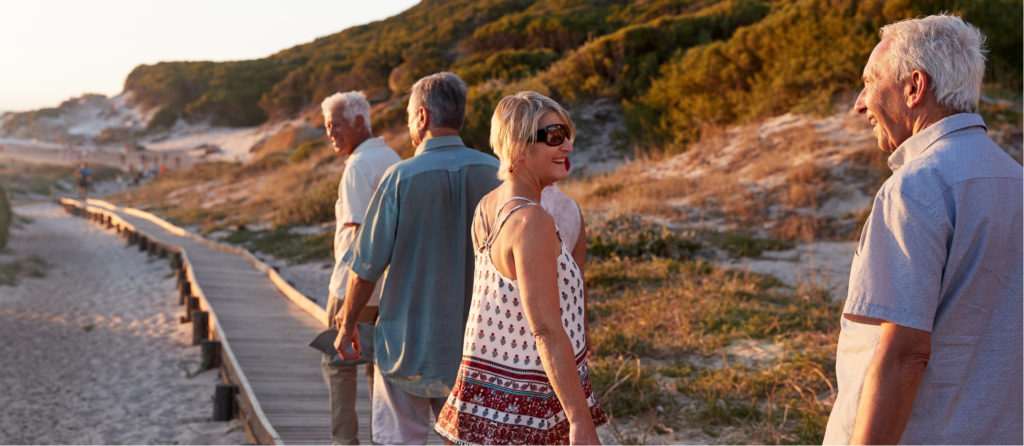
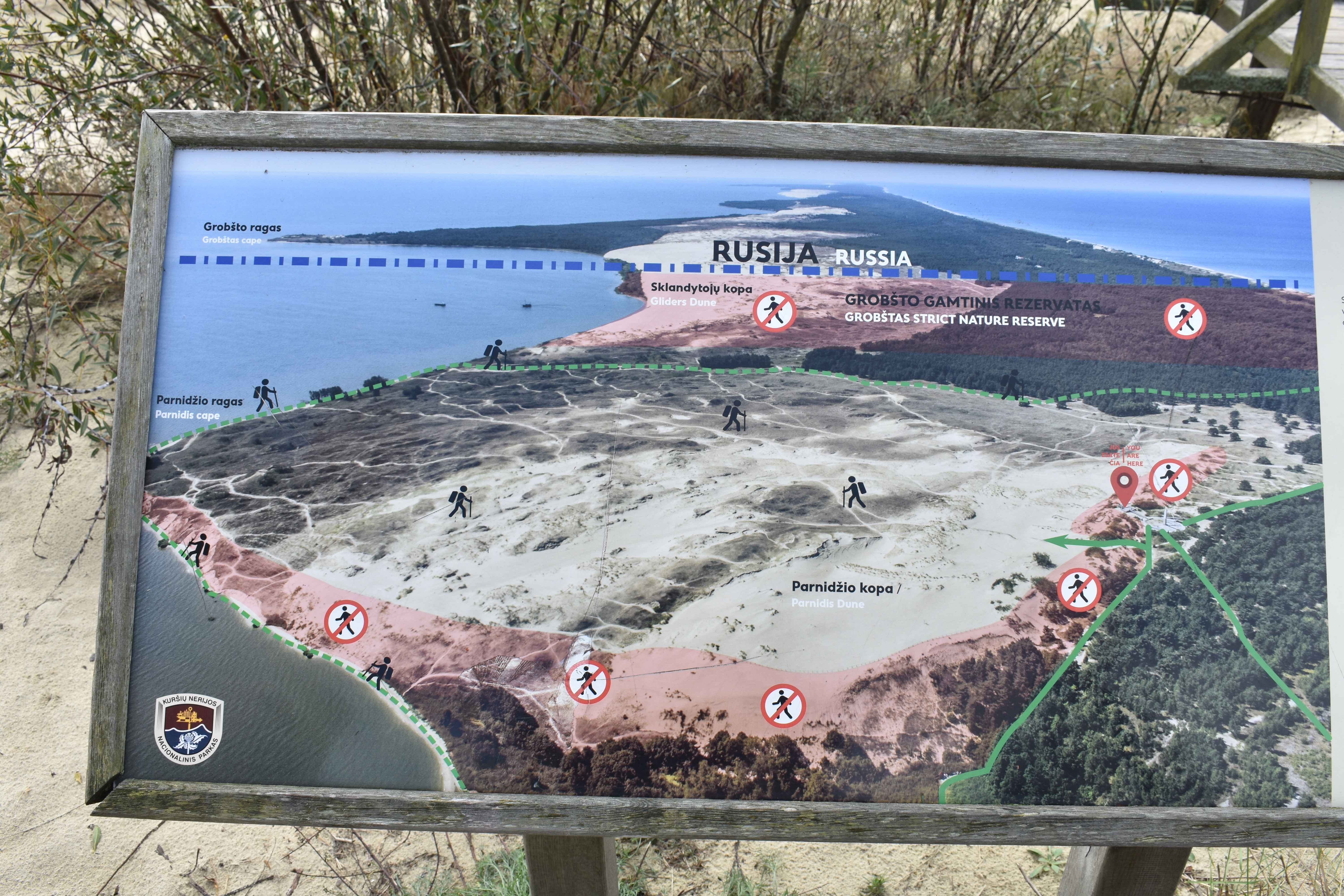
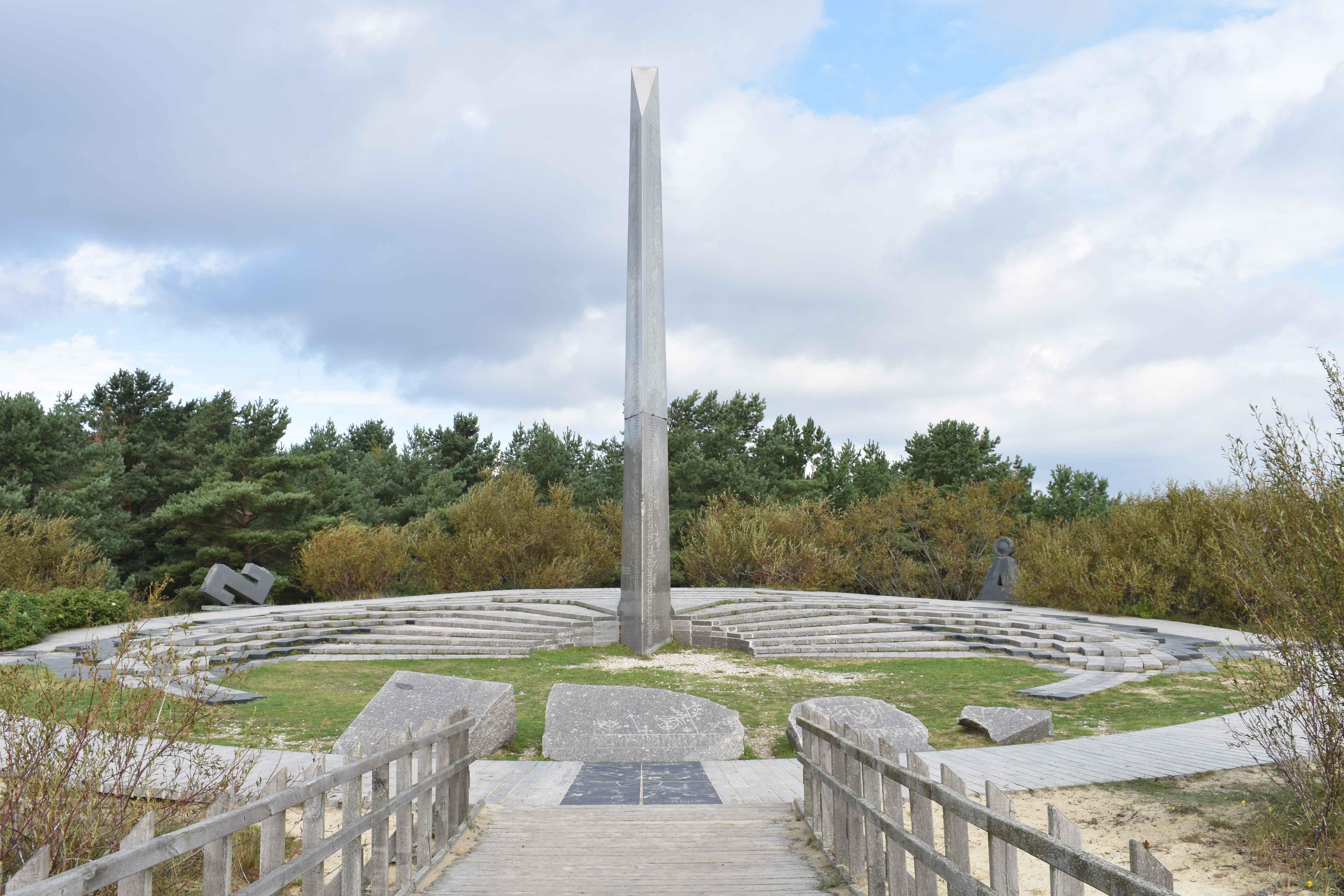
Our final destination was Nida, where from a viewing point, we could see the dunes below and Russia in the background: we were told to turn off data roaming on our phones to avoid a signal being picked up and charges being incurred. We passed several sculptures. The first, known as the ‘Bird’, commemorated French prisoners captured by the German army in 1916 who performed work on the sand dunes. The second, ‘Windward’ was of a figure walking against the wind, capturing the essence of French philosopher Jean-Paul Sartre, who in 1965 was photographed walking on the dunes, leaning into the strong coastal winds. The most magnificent was the 52m tall Parnidis Dune Sundial which unfortunately we couldn’t test due to the lack of sun. However, it was the starting point for a fabulous 1.4km wooden boardwalk to the village of Nida.
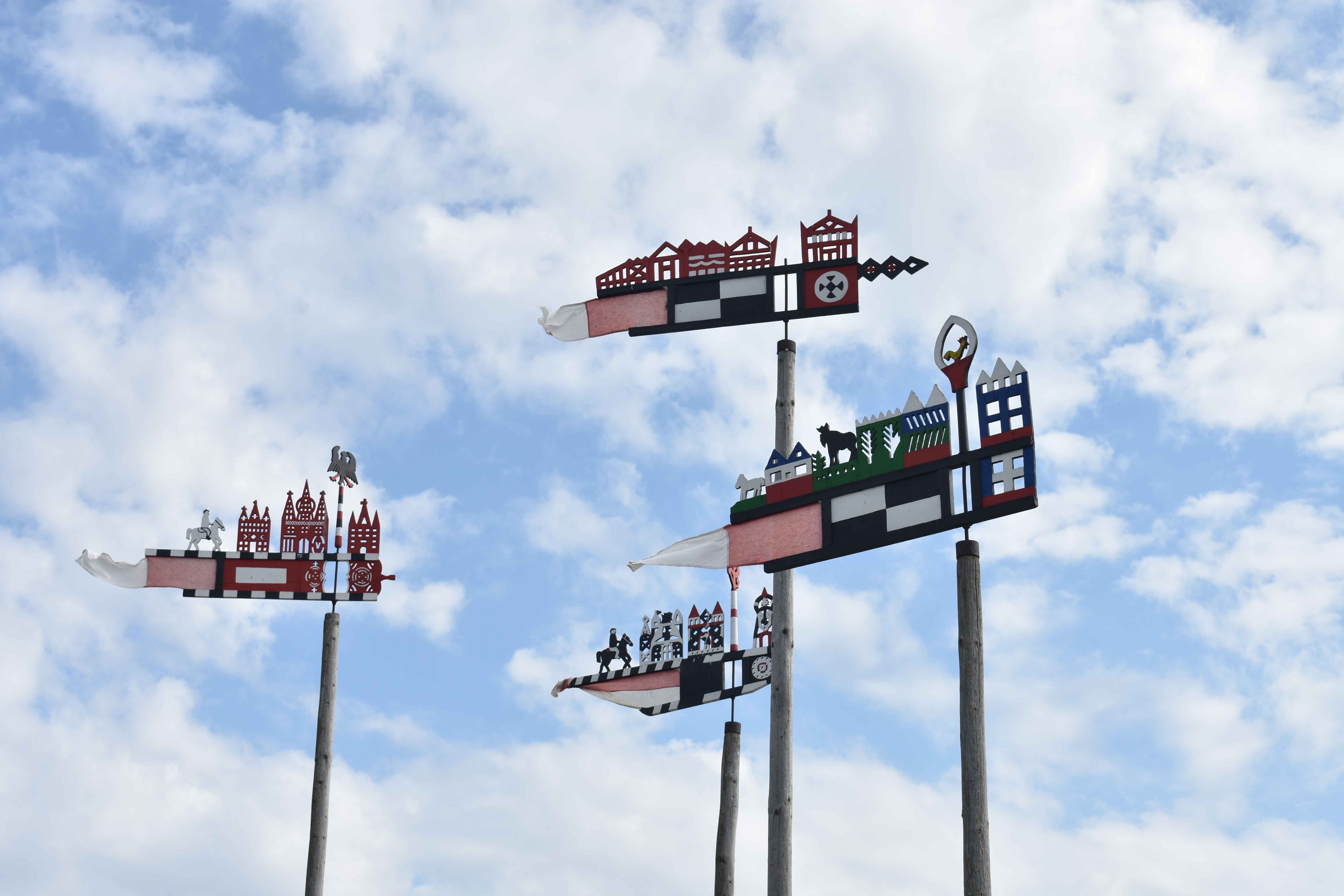
The village itself had lots of old fishing houses with their doors on the side, so they didn’t face the prevailing wind. Many were topped with distinctive and colourful weather vanes, designed to show which area people could fish in. Although we didn’t visit the small museum, we enjoyed a nearby outdoor, ethnographic display in a glass case, telling the history of fishing.
The Lutheran church had a cemetery with wooden, rather than marble, grave markers, known as krikštai. These were placed at the foot of the grave mound, oriented so that the dead person’s head faced west and the feet faced east. This meant that on the Day of Resurrection, the person would rise facing the sunrise in the east, symbolizing renewal and eternal life. Men’s krikštai included carved horse heads, birds, and more ‘masculine’ motifs, whilst those of women had plant motifs and heart shapes with curvier, softer silhouettes.
Our final stop was the former house of Thomas Mann, one of the most influential German writers of the 20th century. Awarded the Nobel Prize for Literature in 1929, he used the money to build a house in Nida as he was so impressed with the scenery and ambience.
This was a lovely day trip, and we both agreed that a couple of nights in Nida would be lovely in the summer, as long as there were no crowds.